
Engineered Packaging & Labeling Solutions
Explore high-performance substrate options, durable PVC & paperboard cards, and custom converter capabilities manufactured for global supply chains.




Global Cardboard Box Sleeve Market & Industrial Dynamics
Analyzing structural shifts in secondary packaging, plastic substitution policies, and automated sleeving workflows for B2B sourcing executives.
1. Executive Summary: The Structural Shift to Paperboard Box Sleeves
In modern B2B supply chains, the decision to buy cardboard box sleeves from certified packaging companies has evolved from a simple aesthetic branding choice into a core operational strategy. A packaging sleeve—also referred to as a belly band, printed box jacket, or packaging band—is a open-ended paperboard outer layer designed to slide over a primary rigid box, corrugated mailer, tray, or container. As global regulatory bodies accelerate single-use plastic restrictions (such as the European Union’s Packaging and Packaging Waste Regulation - PPWR), enterprise procurement teams are replacing traditional heat-shrink plastic films with high-strength, recyclable fiber-based cardboard box sleeves.
This whitepaper delivers a comprehensive industrial analysis for procurement directors, packaging engineers, and enterprise buyers seeking to evaluate cardboard box sleeve companies and products. From structural substrate selection (SBS, FBB, CUK) and barrier coating chemistry to automated high-speed sleeve application lines, this guide outlines the technical metrics required to optimize packaging performance while achieving strict decarbonization targets.
Information Gain Insight: Modern box sleeves are no longer passive paper wraps. Advanced die-cutting and high-yield scoring technologies allow structural sleeves to serve as secondary load-bearing elements, increasing stacking strength by up to 18% while eliminating the need for full secondary outer display boxes.
2. Technical Substrate Engineering & Material Selection Matrix
Selecting the appropriate paperboard grade is critical when specifying packaging sleeves. The mechanical performance of a sleeve depends heavily on grammage (GSM), caliper thickness (pt/mm), fiber orientation, and moisture resistance. Below is an engineering overview of the primary substrates used by leading packaging sleeve manufacturers:
| Substrate Grade | Grammage Range (GSM) | Caliper Thickness | Key Mechanical Properties | Optimal Application Scenarios |
|---|---|---|---|---|
| Solid Bleached Sulfate (SBS) | 250 – 450 GSM | 14 – 24 pt | 100% virgin bleached fiber, superior brightness, smooth surface for ultra-high-definition printing & foil stamping. | Luxury cosmetics, premium electronics, pharmaceuticals, retail gift sets. |
| Folding Boxboard (FBB) | 210 – 380 GSM | 12 – 22 pt | Multi-ply construction with mechanical pulp core sandwiched between bleached chemical layers. High stiffness per unit weight. | Chilled ready meals, frozen foods, high-volume retail consumer goods. |
| Coated Unbleached Kraft (CUK / SUS) | 280 – 460 GSM | 16 – 26 pt | Unbleached virgin kraft fibers. Exceptional tear strength, wet strength, and high tear resistance under humid conditions. | Heavy beverage multi-packs, hardware, auto parts, industrial component sleeves. |
| Coated Recycled Board (CRB / WLC) | 300 – 500 GSM | 16 – 24 pt | 100% recycled post-consumer waste content with clay-coated top surface for standard process printing. | E-commerce mailer wraps, eco-conscious subscription boxes, dry food secondary wraps. |
When working with custom manufacturing partners, packaging engineers must account for grain direction relative to fold lines. Placing score lines parallel to the board’s machine direction (MD) minimizes cracking along the spine, whereas running grain perpendicular to the sleeve opening enhances hoop-stress resistance during automated slide-on assembly.
Automated Machinery & Structural Die-Line Specifications
Technical tolerances, friction coefficients, and finishing parameters necessary for seamless high-speed packaging line integration.
High-Precision Die-Cutting Tolerances
Automated sleeve inserters demand ultra-tight dimensional accuracy. Leading sleeve manufacturers maintain die-cutting tolerances within ±0.3 mm to ±0.5 mm to prevent jamming during friction-feed loading operations.
Coefficient of Friction (COF) Control
Substrate surface slip properties must be tuned for automated machinery. Standard slip values are calibrated to a static COF range of 0.35 to 0.45, ensuring smooth single-sheet extraction from de-nesting hoppers.
Eco-Friendly Aqueous Barrier Coatings
To replace PE wax laminates, modern sleeves utilize water-based (aqueous) dispersion coatings. These deliver oil and grease resistance (Kit Ratings up to 9–12) while maintaining 100% repulpability under ISO 18604 standards.
3. Structural Variations & Packaging Sleeve Architecture
When evaluating suppliers and product catalogs, procurement teams must align the sleeve layout with the primary product container shape. Common architectural configurations include:
A. Standard Pre-Glued Straight Sleeves
Supplied as flat, pre-glued folded tubes. Upon arrival at the packing station, the sleeve is popped open manually or via automated mechanical arms, and the inner box or tray is inserted horizontally. Best suited for rectangular frozen food trays, ready-to-eat meals, and software/hardware boxes.
B. Lock-Bottom & Friction-Tab Sleeves
Features interlocking tabs (such as reverse tucks or slit locks) that eliminate the need for liquid adhesive or hot melt at the packaging point. Ideal for short-run artisanal food products, luxury apparel gift boxes, and seasonal promotional bundles where rapid assembly is needed without dedicated gluing machinery.
C. Custom Die-Cut Windows & Tactile Features
Sleeves manufactured with precision-punched windows allow consumers to view the underlying product texture or primary container design. Advanced converters can integrate clear biodegradable PLA films, soft-touch matte lamination, tactile spot UV finishes, or hot foil stamping to elevate visual appeal on retail shelves.
Supply Chain Tip: Ordering pre-glued sleeves in high volumes reduces labor costs on the assembly line by over 40% compared to flat un-glued wraps that require manual tape application or on-site hot-melt systems.
Regional Application Scenarios & Supply Chain Alignment
Navigating global regulatory compliance, regional consumer preferences, and specialized B2B industry applications.
4. Regional Sourcing & Regulatory Landscape
Global supply chain managers must ensure their cardboard box sleeve suppliers comply with region-specific packaging regulations and environmental guidelines:
E-Commerce & Amazon SIOC Compliance
Sleeves designed for US & Canadian markets often need to withstand ISTA-6-Amazon protocol testing. Heavy-duty CUK boards are favored for preventing primary box bursting during automated sorting.
Strict Recyclability & PFAS Prohibitions
EU markets strictly mandate mono-material paper structures. Sleeves must feature FSC/PEFC chain-of-custody certification and utilize PFAS-free grease-resistant coatings for direct food contact applications.
High-Speed Export & Cold Chain Sizing
As a major hub for electronics and food export, APAC packaging manufacturers specialize in high-humidity resistant board treatments and cost-effective high-volume flexographic/offset printing solutions.
Cost-Optimized Recycled Board (CRB)
Emerging retail sectors favor high-yield recycled fiber boards that maintain structural integrity while offering competitive unit economics for high-volume consumer goods.
5. Industry-Specific End-to-End Solutions
Cardboard box sleeves are utilized across diverse business sectors to solve specific packaging challenges:
Food Service & Ready Meals
In the chilled and frozen meal sector, sleeves wrap around plastic CPET or sugarcane bagasse trays. The sleeve provides high-impact graphic real estate for nutritional labeling and barcode printing, while allowing the inner tray to be micro-waved or oven-heated without damaging the secondary branding layer.
Pharmaceuticals & Health Products
Sleeves used for OTC medication boxes, vitamin bundles, and diagnostic kits frequently incorporate anti-tamper security seals, serialised 2D DataMatrix code printing, and tactile braille embossing to meet accessibility and traceability mandates.
Consumer Electronics & Smart Home Devices
Premium technology brands utilize heavy-gauge SBS box sleeves with soft-touch lamination over plain kraft inner shipping boxes. This unboxing strategy minimizes expensive rigid box printing costs while delivering a sleek retail appearance.
Technology Roadmap (2026–2032) & Supplier Vetting
Key technological advancements transforming packaging sleeve manufacturing and an enterprise supplier audit checklist.
6. Technical Roadmap: Smart Packaging & Sustainable Innovation
The packaging sleeve industry is undergoing rapid technical evolution. Over the next decade, three key technological vectors will redefine sleeve performance:
Smart RFID & NFC Inlay Integration
Converters are embedding ultra-thin RFID tags and printable NFC antennas directly between board plies during lamination, turning basic box sleeves into active inventory-tracking devices.
Variable Digital Printing & On-Demand SKUs
High-speed digital presses allow brands to run micro-segmentation campaigns, printing unique QR codes, seasonal branding, and regional language variations without paying for dedicated printing plates.
Bio-Synthetic Hot-Melt Adhesives
Next-generation seam adhesives utilize bio-based starch and lignin resins that breakdown seamlessly during repulping operations, preventing adhesive buildup in municipal recycling mills.
7. B2B Procurement Guide: Auditing Cardboard Box Sleeve Companies
When evaluating international packaging sleeve manufacturers, procurement teams should conduct a rigorous qualification audit covering four critical pillars:
Quality System Certifications
Ensure the supplier holds ISO 9001:2015 for manufacturing consistency and FSC / PEFC Chain of Custody certifications for sustainable paper sourcing.
Production Capacity & Equipment
Verify that the factory operates modern offset presses (e.g., Heidelberg, Komori), automated die-cutters (BOBST), and high-speed automatic folder-gluers capable of handling your peak volume requirements.
In-House Testing Equipment
Ask for test reports on Bursting Strength (Mullen Tester), Edge Crush Test (ECT), Score Bend Resistance, and COF values to ensure the board meets your structural specifications.
Export Packaging & Shipping
Ensure finished sleeves are bundled in moisture-barrier wrap, palletized with corner protectors, and shrink-wrapped to prevent humidity damage during ocean transport.
Specialized Labeling & Packaging Products
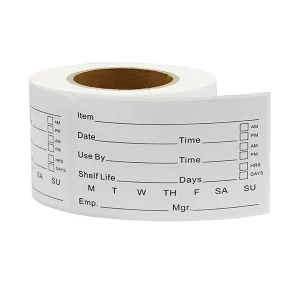
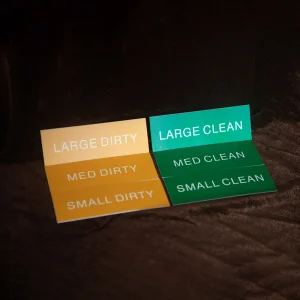
Explore our complete range of custom paper hangers, synthetic freezer labels, electrical insulation materials, and industrial signage boards.


Frequently Asked Questions on Cardboard Box Sleeves
In-depth technical responses from packaging engineers regarding substrate selection, tolerances, artwork setup, and volume manufacturing.