
In the global high-end consumer goods, pharmaceutical, beverage, and electronics markets, tactile visual differentiation acts as the primary conversion catalyst at the Point of Sale (POS). Purchasing decision-makers sourcing Gold Foil Labels must navigate complex material physics—balancing high-reflectivity aesthetics with substrate adhesion performance, thermal stability, and mechanical die-cutting precision. This industry guide outlines the micro-engineering principles, supply chain logistics, and production methodologies required for bulk procurement.
Direct manufacturer product portfolio engineered for diverse substrate bonding, weatherproofing, and tactile brand identification.


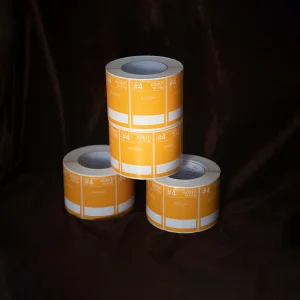
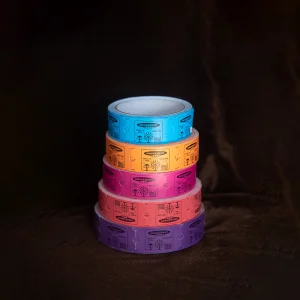
Selecting the appropriate gold foiling process directly influences production speed, tooling costs, edge clarity, and total cost of ownership (TCO). Standard gold foil labels comprise a multi-layer composite matrix: a PET carrier film, a release layer, a vacuum-deposited aluminum coat, a color lacquer layer, and a heat- or UV-activated adhesive sizing layer.
| Technical Attribute | Hot Foil Stamping (Thermal Press) | Cold Foil Transfer (Inline Flexo) | Digital Foil Embossing (3D UV) |
|---|---|---|---|
| Tooling & Die Setup | Requires CNC Brass or Magnesium Dies | Uses Standard Flexo Photopolymer Plates | Toolless / Digital Vector Direct Drive |
| Tactile / Embossing Capability | Exceptional (Simultaneous 3D Emboss) | Flat Surface Application Only | High-Build Raised Tactile Resin (Up to 100µm) |
| Substrate Compatibility | Textured Paper, Linen, Heavy Board | Smooth Synthetics, BOPP, Coated Paper | Smooth Synthetics, Laminated Film |
| Production Speed | Medium (50 - 90 m/min) | Very High (120 - 200 m/min) | Flexible / Short-to-Medium Runs |
| Fine Detail Clarity | Micro-Text (<4pt) & Sharp Hairlines | Half-Tone Screens & Large Solid Coverage | Variable Data & Serialization Foiling |
To guarantee zero flaking or pinhole voids during high-speed roll application, synthetic film substrates (BOPP, PET, PE) must maintain a minimum surface energy level of 38 to 44 dynes/cm. Corona treatment or specialized primer coatings are systematically applied in-line by tier-one manufacturers prior to gold foil transfer.
Global brand procurement teams evaluate gold foil label suppliers based on operational environment stress tests, regulatory compliance, and total lifecycle performance.
Challenge: Submersion in ice buckets without edge lifting, wrinkling, or foil oxidation.
Solution: Wet-strength wet-glue paper or wet-strength pressure-sensitive paper equipped with high-tack acrylic emulsion adhesives tested under ISO 2812-2 ice-water immersion standards for 24+ hours.
Challenge: Resistance to essential oils, synthetic alcohols, lipids, and continuous squeezable tube flexing.
Solution: Ultra-clear or white flexible Polyethylene (PE) films cold-foiled with UV-curable topcoats, preventing cosmetic oil migration and foil degradation.
Challenge: Anti-counterfeiting protection, brand authenticity, and tamper evidence.
Solution: Custom holographic gold foil integrated with micro-embossed latent images, tamper-evident VOID patterns, and laser-serializable security codes.
Extended label materials, PET high-durability stocks, and structural cards engineered for extreme thermal range and physical shear resistance.
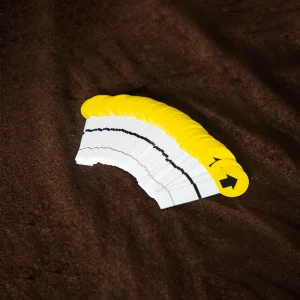
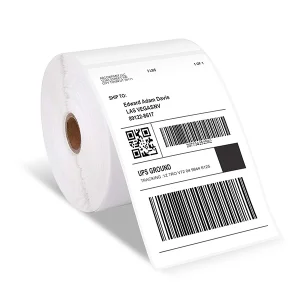


The functional reliability of self-adhesive gold foil labels depends on pressure-sensitive adhesive (PSA) formulations tailored to the recipient surface chemistry (glass, smooth aluminum, textured plastic, or corrugated paperboard).
- Initial Tack (Loop Tack ASTM D6195): Immediate wetting capability upon zero-pressure surface contact. Crucial for automated high-speed application labeling machines (>300 bottles/min).
- Peel Adhesion (180° Peel PSTC-101): Force required to remove the label after 24 hours. Permanent formulations exceed 15 N/25mm on stainless steel.
- Shear Resistance (Holding Power ASTM D3654): Adhesive resistance against static vertical sliding under elevated thermal stress (up to +80°C).
- EU RoHS & REACH Compliance: 100% free of heavy metals (lead, cadmium, mercury, hexavalent chromium) and SVHC chemicals.
- FDA CFR 21 175.105: Indirect food contact safety rating for adhesives used on commercial food packaging.
- FSC® Certification: Ethically sourced paper liners and face materials supporting zero-deforestation initiatives.
- De-inking Recyclability: Specialty cold foils compliant with INGEDE Method 11 for paper recycling repulpability.
The next generation of decorative metallic labeling bridges sustainable material engineering with digital connectivity. Manufacturers are actively pivoting toward ultra-thin PET carriers and smart interactive foils.
Transitioning from standard 12µm PET carrier films down to 4.5µm films reduces raw material consumption by up to 60%, drastically cutting transportation carbon footprints.
Utilizing High Refractive Index (HRI) coatings instead of aluminum vapor allows transparent metallic effects that do not interfere with microwave signals or plastic sorting sensors.
Direct printing of conductive metallic foil antennas inside gold decorative labels enables near-field communication (NFC) consumer interaction and real-time inventory tracking.
When issuing a Request for Quotation (RFQ) to custom label manufacturers, supply chain engineers must specify the following operational parameters to prevent production delays:
- Face Material: Semi-gloss paper, textured paper, BOPP, PET, or PE film?
- Caliper / Thickness: Micron rating requirement (μm) for machine dispensing compatibility.
- Unwind Direction: Specify roll winding orientation (Output Directions 1-8 for auto-labeling equipment).
- Core Diameter: Standard 25mm (1"), 38mm (1.5"), or 76mm (3") cardboard core.
- Temperature Range: Application temperature minimum vs. service temperature limits (-40°C to +120°C).
- Varnish Protection: Spot UV varnish, matte lamination, or chemical-resistant gloss overcoat.
- Embossing Depth: Multi-level 3D sculptured die vs. single-level flat micro-emboss.
- Packaging Standard: Moisture-proof vacuum bag sealing with silica desiccants for ocean freight export.
Direct technical answers addressing OEM customization, minimum order quantities, color matching, and quality assurance standards.
What is the key difference between Hot Foil Stamping and Cold Foil printing for gold labels?
Hot Foil Stamping utilizes heat and physical pressure via a carved metal die (brass or magnesium) to transfer the gold aluminum layer onto the substrate. It excels on textured papers and allows deep 3D tactile embossing. Cold Foil printing applies a UV-curable adhesive using a standard flexographic plate, transferring the foil inline at higher press speeds on smooth synthetics. Cold foil is more cost-effective for large production runs and half-tone gradient metallic effects, whereas hot foil provides maximum metallic brilliance and tactile depth.
How do manufacturers ensure gold foil labels do not oxidize or tarnish over time?
High-grade gold foil incorporates a protective top coat lacquer over the vacuum-metallized aluminum layer. For extreme chemical exposure (alcohols, solvents, essential oils) or high humidity outdoor environments, manufacturers apply an additional UV-curable overprint varnish or clear polyester (PET) film lamination. This seals the foil edges and protects against oxidation, friction, and UV light degradation.
Can gold foil labels be applied to glass bottles subject to ice bucket submersion?
Yes. This requires a specialized combination of wet-strength paper or synthetic BOPP face stock and an aggressive waterproof acrylic emulsion adhesive (Ice Bucket Approved). The adhesive must resist water penetration and maintain peel strength under 0°C to +4°C wet conditions for at least 24 hours without edge flagging or label detachment.
What artwork specifications are necessary for precise gold foil die-cutting?
Artwork vector files (Adobe Illustrator) should include a separate vector layer designated as a spot color (named "Gold Foil") set to Overprint. Minimum line stroke weight for hot stamping should be no less than 0.25pt (0.09mm), and negative space gaps between foil areas should maintain a minimum of 0.35pt to prevent foil bridging or fill-in during high-speed stamping.
What are the international compliance standards for food and beverage gold label packaging?
Gold foil labels destined for food or pharmaceutical packaging must adhere to FDA 21 CFR 175.105 for indirect food contact adhesives, EU Regulation (EC) No 1935/2004 for materials intended to come into contact with food, and REACH/RoHS restrictions prohibiting heavy metals and hazardous plasticizers. Always request a Certificate of Compliance (CoC) and Migration Test Report from your manufacturer.