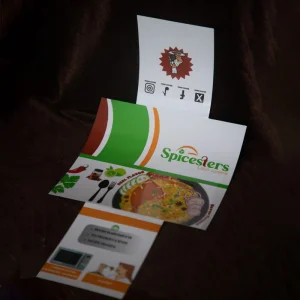
Featured Identification & Substrate Products
Explore our top engineered identity solutions, electrical insulation layers, custom dual-color ABS boards, and industrial adhesive labels designed for demanding global operational environments.
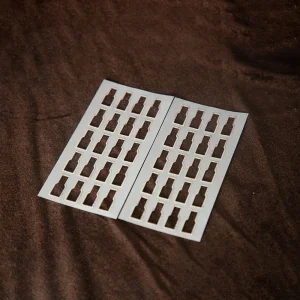
Custom Durable Synthetic Paper Adhesive Labels
Explore Specifications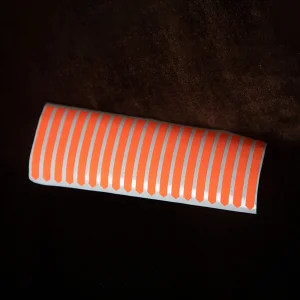
High-Strength Double-Coated Adhesive Labels
Explore Specifications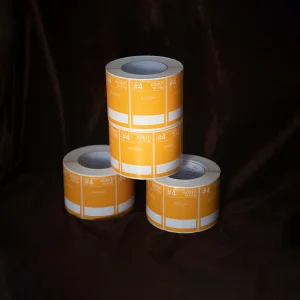
Printer-Friendly Paper-Based Labels
Explore Specifications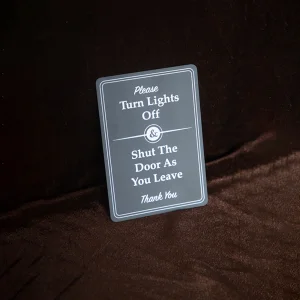
Outdoor Grade ABS Dual-Color Board
Explore Specifications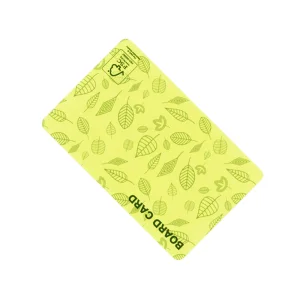
Luxury Premium Paperboard Branding Cards
Explore Specifications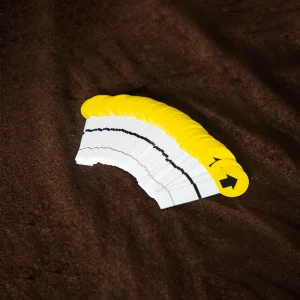
Durable & Versatile PET Adhesive Labels
Explore Specifications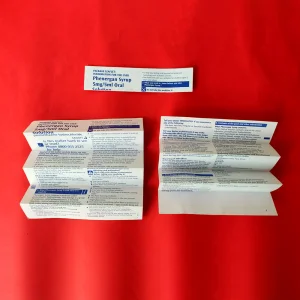
Multi-Panel Folded Instruction Manuals
Explore Specifications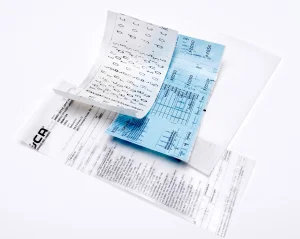
Tear-Proof PET Electrical Insulation Paper
Explore SpecificationsExecutive Summary: The Global Evolution of ID Card Manufacturing
Navigating the convergence of physical durability, optical security features, and digital connectivity in modern identity ecosystems.
In an increasingly interconnected global economy, the strategic procurement of secure identification products has evolved far beyond basic plastic card printing. Modern enterprise access control systems, government citizen verification programs, municipal transit networks, and industrial asset tracking regimes demand identity credentials capable of enduring multi-year mechanical stress, harsh chemical exposure, extreme thermal variances, and sophisticated physical anti-counterfeiting threats. When organizational buyers search to buy ID card company and products, they are seeking more than a transactional print vendor; they require an OEM manufacturing partner equipped with multi-layer substrate converting capabilities, cleanroom lamination environments, and deep expertise in synthetic polymer chemistry.
The global physical ID card market continues to experience robust growth, driven by strict regulatory mandates around corporate security (such as ISO/IEC 27001 workplace controls), smart city access integration, and the widespread transition toward contactless RFID and NFC chip embedding. According to industry intelligence, the global smart identification card market is projected to expand at a CAGR exceeding 8.4% through 2030, with increasing emphasis placed on eco-friendly polymer alternatives, tamper-evident security structures, and micro-engraved optical features.
Today's procurement strategies mandate an evaluation of total cost of ownership (TCO). Standard Low-Density Polyethylene (LDPE) or inferior Polyvinyl Chloride (PVC) formulations suffer from premature delamination, flexural fatigue cracking, and rapid fading under ultraviolet (UV) radiation. Modern high-reliability identity credentials utilize multi-layer Polycarbonate (PC), PETG (Polyethylene Terephthalate Glycol-modified), and reinforced dual-color ABS (Acrylonitrile Butadiene Styrene) engineered specifically to withstand over 100,000 bending cycles without structural failure or antenna trace fracture.
Strategic Sourcing Insight: Preventing Card Delamination
Delamination remains the primary failure mode in enterprise identity cards. Superior manufacturing relies on fused thermal co-extrusion—where individual polymer core layers and protective clear overlays melt together under precise temperature and pressure profiles (typically 170°C–195°C at 2.5 MPa)—creating a monolithic, un-separable block rather than relying on weak liquid solvent adhesives.
Substrate Polymer Science & Anti-Counterfeiting Engineering
Selecting the optimal matrix material and security features for long-life credential deployment.
Polycarbonate (PC) Multi-Layer Matrix
Polycarbonate represents the gold standard for high-security, decade-long identity credentials. Possessing a high Vicat softening temperature (>145°C) and supreme tensile strength, PC layers fuse into a solid, non-laminated structure under intense thermal pressing. PC substrates allow subsurface laser engraving where carbon particles within the core polymer carbonize to form crisp, tamper-proof black images and micro-text.
PETG & Recyclable Composite Blends
PETG delivers exceptional flexural resistance without emitting hazardous halogens during thermal conversion. Excellent for high-usage employee badges and university campus cards, PETG withstands continuous bending while maintaining high dimensional stability across extreme climatic conditions from -30°C to +75°C.
Laser-Engravable ABS Dual-Color Boards
For industrial identification, hazard notification, and tactile signage, modified dual-color ABS board engineered with an outdoor-grade acrylic cap layer provides phenomenal UV resistance. Laser ablation strips away the micro-thin cap layer to expose a high-contrast core substrate, generating permanent tactile text and Braille icons resistant to salt spray, fuel oils, and physical abrasion.
| Substrate Material | Expected Service Life | Thermal Tolerance Range | Laser Engraving Capable | Primary Commercial Application |
|---|---|---|---|---|
| Multi-Layer Polycarbonate (PC) | 10+ Years | -40°C to +135°C | Yes (Subsurface Carbonization) | National IDs, Driver Licenses, High-Security Access |
| PETG / PET Composite | 5 to 8 Years | -30°C to +75°C | Specialized Formulations | Enterprise Campus ID, Transit Pass, Healthcare Cards |
| High-Grade Laminated PVC | 3 to 5 Years | -10°C to +60°C | No (Surface Thermal Printing) | Standard Corporate Badges, Retail Loyalty, Hospitality |
| Dual-Color ABS Board | 10+ Years (Outdoor) | -35°C to +85°C | Yes (Surface Ablation) | Industrial Equipment Tags, Tactile Braille Signage |
Integrated Anti-Counterfeiting & Physical Security Features
Modern card manufacturing integrates progressive physical security layers into the core matrix prior to lamination. Security options include:
- Micro-Text & Guilloche Fine Line Patterns: High-resolution offset printing at 2400 DPI creates intricate geometric patterns and text under 0.25pt height that cannot be reproduced by commercial digital desktop printers or color copiers.
- Optically Variable Ink (OVI) & Holographic Overlays: Micro-encapsulated interference pigments shift color dynamically based on viewing angles, providing immediate level-1 visual authentication.
- Tactile Surface Embossing & Braille: Physical relief features pressed into the card surface allow both accessibility compliance and tactile verification against tampered photographic surfaces.
- UV Fluorescent Inks (Invisible Security): Sub-surface ink layers that glow brightly under 365nm ultraviolet excitation, exposing hidden seals, logos, or serial numbers.
China Factory Supply Chain Resilience & Conversion Efficiency
How Xiamen Lianhua Printing Co., Ltd. (Est. 1992) leverages 30+ years of industrial heritage to deliver global cost-performance dominance.
When sourcing custom identity solutions, label converted materials, and functional cards at global scale, supply chain continuity and manufacturing throughput represent non-negotiable risk factors. The industrial printing ecosystem located in Fujian Province, China—anchored by specialized manufacturers such as Xiamen Lianhua Printing Co., Ltd.—provides global buyers with an unparalleled blend of vertical supply chain integration, raw material availability, and rigorous engineering standards.
Vertical Raw Material Sourcing & Inventory Depth
By maintaining direct relationships with Tier-1 polymer resin manufacturers and paperboard mills, our facility mitigates material lead-time fluctuations. From medical-grade synthetic paper and heat-resistant PET films to specialized acrylic pressure-sensitive adhesives (PSA) and glassine backing papers, raw materials undergo strict inbound quality control (IQC) testing for moisture content, surface tension (dyne levels), and tensile elasticity before entering production.
Automated High-Speed Lamination & Precision Die-Cutting
Our Xiamen facility operates fully automated web-fed rotary die-cutting, multi-color UV flexographic printing, and cleanroom lamination lines. With automated vision inspection systems scanning 100% of production runs in real-time, minute registration errors, dust inclusions, or pinhole defects are instantly flagged and purged—guaranteeing strict adherence to ISO 9001 quality specifications.
This industrial concentration enables rapid OEM/ODM sampling cycles. Standard prototype requests—including specialized adhesive coat weights, custom card thickness profiles (from 0.18mm thin cardstock to 1.5mm heavy-duty polycarbonate), and specialized surface finishes (matte, velvet, gloss, tactile micro-texture)—can progress from digital proof approval to physical sample shipment within 3 to 5 business days.
Hyper-Localized Application Scenarios & Industry Deployments
Tailored credential and label engineering across critical commercial, municipal, and industrial verticals.
Smart Corporate Campuses & High-Rise Offices
Modern enterprise environments require dual-frequency smart cards combining 125kHz LF proximity chips (for legacy gate control) with 13.56MHz HF DESFire EV3 encrypted chips (for biometric desk access, cashless cafeteria payments, and secure printing). Our PETG composite cards resist daily bending in employee lanyards while taking vibrant dye-sublimation identity photo printing.
Municipal Transit & Government Citizen Passes
Public sector identity deployments prioritize long lifecycle durability and mass customization. Polycarbonate credentials printed with anti-tamper guilloche patterns, tactile laser relief, and embedded contactless ICs process passenger gate validation in under 200 milliseconds while resisting environmental humidity, sweat absorption, and UV exposure over 10 years of daily transit use.
Harsh Industrial Asset & Electrical Identification
Beyond traditional identity badges, industrial facilities utilize tear-proof PET electrical insulation film and high-tack tire/wire adhesive labels to track equipment, wire harnesses, and dangerous machinery. These labels use solvent-based acrylic adhesives formulated to bond permanently to low surface energy (LSE) vulcanized rubber, oily steel, and textured plastics.
Compliance, Variable Data Security & Environmental Policy
Ensuring international regulatory alignment, strict data protection during personalized printing, and eco-friendly resin sourcing.
Green Purchasing & Chemical Safety (RoHS & REACH)
Xiamen Lianhua Printing adheres strictly to a green purchasing policy. All raw polymers, laminating foils, screen printing inks, and pressure-sensitive adhesives comply fully with European Union Directives 2011/65/EU (RoHS) and Regulation (EC) No 1907/2006 (REACH). We actively eliminate hazardous heavy metals (lead, mercury, cadmium), polybrominated biphenyls (PBB), and SVHC (Substances of Very High Concern) phthalates from our core matrix production lines.
Variable Data Printing (VDP) & Data Privacy Protection
During OEM identity card encoding and visual personalization (printing names, unique RFID UID numbers, QR codes, and employee photos), data security is paramount. Our automated data processing infrastructure operates under strict ISO 27001 data management protocols. Variable data databases provided by clients are encrypted during transmission, processed inside secure server segments, and automatically purged post-production to prevent identity theft or data leakage.
Eco-Conscious Manufacturing Commitment
In alignment with global carbon reduction targets, we offer ocean-bound recycled plastic substrates (rPVC), bio-based PLA (Polylactic Acid) card matrices derived from non-GMO cornstarch, and plastic-free paperboard cards. These eco-credentials allow international corporate clients to achieve zero-waste sustainability targets without compromising on card durability or print brilliance.
Frequently Asked Questions (FAQ) for Global Buyers
Expert technical answers to common engineering, ordering, and material selection questions.
Is Xiamen Lianhua Printing a direct manufacturing factory or a trading company?
We are a direct manufacturer established in February 1992 in Siming District, Xiamen, China. Our facilities feature in-house offset printing, flexo printing, cleanroom lamination, precision rotary die-cutting, laser engraving, and chip embedding equipment for complete OEM/ODM control from raw substrate to final pack.
What is the difference between standard laminated PVC and Polycarbonate (PC) identity cards?
Standard PVC cards consist of printed PVC sheets held together by heat-activated liquid adhesive films. While economical, PVC can delaminate over time and degrades when exposed to UV light or temperatures above 60°C. Polycarbonate (PC) cards consist of pure PC films that thermally fuse together into a single solid structure without adhesives. PC cards offer superior durability (10+ years), withstand high temperatures (135°C), and support tamper-proof subsurface laser engraving.
How do I select the right adhesive formulation for heavy-duty label applications?
Selection depends on three primary forces: Tack (initial surface grab), Peel Strength (force required to pull the label off), and Shear Strength (resistance to sliding under continuous load or heat). For rough or textured surfaces like rubber tires or textured plastics, high-tack rubber or modified solvent acrylic adhesives are required. For cold-chain food packaging, specialized freezer adhesives that remain pliable down to -40°C must be specified.
Are your products compliant with international RoHS, REACH, and environmental standards?
Yes. All materials converted in our factory—including face stock films, liners, printing inks, and pressure-sensitive adhesives—comply with EU RoHS and REACH SVHC regulations under our ISO-certified Green Purchasing framework.
What artwork files and specifications are required to initiate an OEM custom order?
We accept vector artwork files in Adobe Illustrator (.AI), PDF, or EPS formats with all fonts converted to outlines and pantone colors specified. For variable data printing (VDP) involving serial numbers, barcode sequences, or photo IDs, data must be provided in structured CSV or Excel spreadsheets mapped to artwork field frames.
What is the typical production lead time for custom printed cards and industrial labels?
Standard physical sample creation takes 3 to 5 working days following artwork proof confirmation. Full production runs typically ship within 10 to 14 business days depending on order volume, special security finishing options (such as holographic hot-stamping or chip encoding), and export packaging requirements.
Complete Card, Label & Packaging Catalog
Browse additional specialized card products, scratch-resistant polycarbonate substrates, event ticketing, and custom food packaging sleeves.
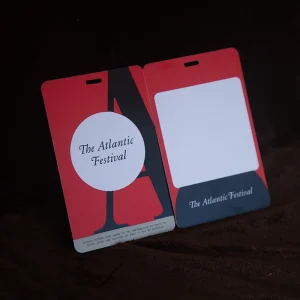
Custom Paperboard Event & Gift Cards
Explore Specifications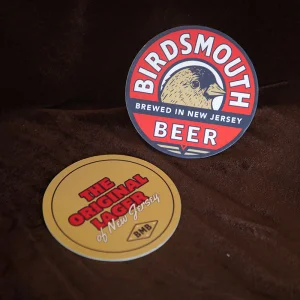
Durable Custom Branded Beverage Coasters
Explore Specifications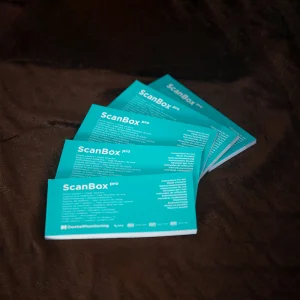
Booklet-Style Equipment Instruction Manuals
Explore Specifications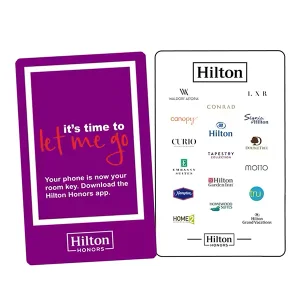
Scratch Resistant Polycarbonate Cards
Explore Specifications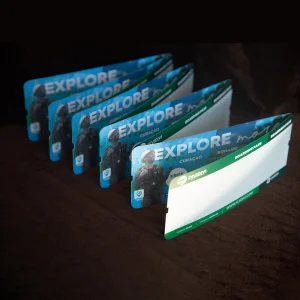
Instant-Print Thermal Paper Event Tickets
Explore Specifications
High-Durability Flexible PVC Cards
Explore Specifications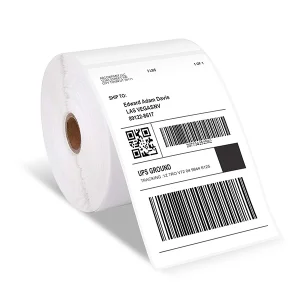
Heat-Resistant Thermal Adhesive Labels
Explore Specifications