
Commercial & Industrial Printing Products Portfolio
Explore engineered packaging, customized identification media, and high-durability restaurant tabletop solutions crafted to international standards.
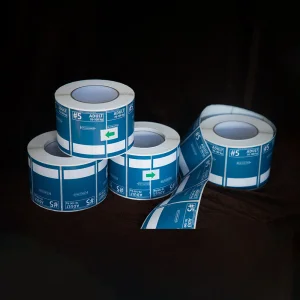
China High-Tack Tire Adhesive Labels Manufacturers, Factory
View Product Details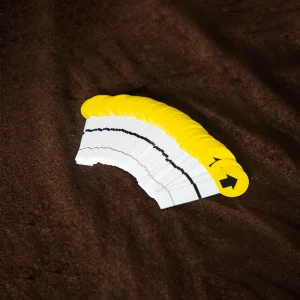
High-Quality Durable and versatile PET Adhesive Labels Manufacturers, Product
View Product Details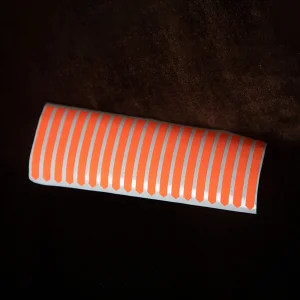
Buy High-Strength Double-Coated Adhesive Labels Manufacturer, Factory
View Product Details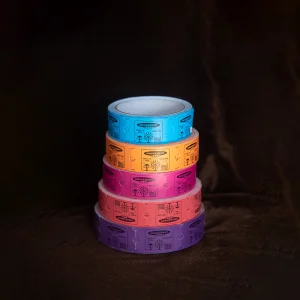
Buy Standard General Admission Tickets and Airline Tickets Manufacturers, Factories
View Product Details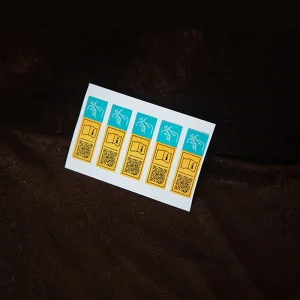
Custom Adhesive Labels with Heavy-Duty Thick Backing Paper Company, Companies
View Product Details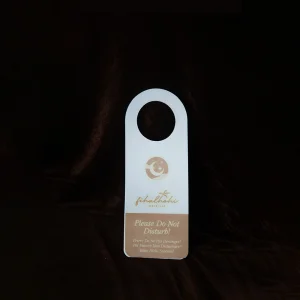
China High-Durability Flexible PVC Cards Manufacturers, Companies
View Product Details
High-Quality Secure, Durable and High-Tack Wire Adhesive Labels Factories, Company
View Product Details
Custom Outdoor Grade ABS Dual-Color Board Factories, Products
View Product DetailsGlobal B2B Sourcing Landscape for Restaurant Table Tents & Hospitality Collateral
An executive analysis of supply chain dynamics, material innovations, and shifting consumer interaction points within multi-location food & beverage enterprises.
The global hospitality sector is undergoing a profound structural shift driven by digital integration, contactless engagement models, and heightened operational sanitation standards. Within this evolving ecosystem, restaurant table tents have transitioned from passive promotional cardboards into mission-critical, interactive point-of-sale (POS) visual hubs. Enterprise procurement officers, hotel group brand directors, and food service operators are no longer merely looking to buy off-the-shelf paper tents; they demand engineered, multi-material tabletop display systems capable of driving measurable return on investment (ROI), integrating IoT/NFC capabilities, and enduring intense sanitization protocols.
Key Sourcing Trend (2026 Shift): Over 73% of tier-1 global restaurant chains have transitioned to multi-layer polymer, synthetic paper, or hybrid acrylic table tents featuring integrated QR-code channels, antibacterial surface treatments, and high-frequency reusable inserts to optimize lifetime procurement costs.
From quick-service restaurant (QSR) networks across North America to luxury resort dining facilities in the Asia-Pacific region, global procurement demand reflects a dual objective: maximizing dwell-time customer engagement while minimizing replacement frequency. Custom table tent manufacturing now encompasses complex material science—combining flame-retardant polymers, high-density paperboards, anti-glare lamination coatings, and laser-engraved ABS components to serve diverse dining environments.
Total Cost of Ownership (TCO)
Shift from disposable paper stock to durable, liquid-impervious synthetic substrates reduces annual re-order frequency by up to 65% in high-turnover dining facilities.
Phygital Menu Integration
Strategic positioning of high-contrast micro QR-codes and embedded passive NFC (Near Field Communication) tags directly boosts customer ordering speed and average check size.
Hygienic Surface Engineering
Application of EPA-registered micro-encapsulated antimicrobial coatings protects surface substrates against aggressive commercial cleaning agents, alcohol wipes, and grease degradation.
Engineering Architecture & Manufacturing Material Matrix
Selecting the optimal substrate, surface finishing, and structural fold mechanics based on environmental stress, lighting conditions, and operational lifespan.
Industrial printing for hospitality table tents requires strict adherence to physical durability metrics. When purchasing from OEM manufacturers, procurement heads must analyze structural integrity, resistance to UV-induced yellowing, crease memory retention, and chemical tolerance. Below is an engineering comparison matrix designed to guide enterprise purchasing decisions across core manufacturing materials.
| Substrate / Material Grade | Physical Durability | Chemical & Water Resistance | Optimal Operational Environment | Expected Service Life |
|---|---|---|---|---|
| 350-400 GSM Premium Coated Cardstock | Moderate (Single-fold die-cut) | Low (Requires Film Lamination) | Indoor Fine Dining, Event Banquets, Temporary Promotions | 1 – 3 Months |
| PP Synthetic Waterproof Paper | High (Tear-proof, zero curl) | 100% Waterproof, Oil Resistant | Casual Dining, Outdoor Patios, Fast-Casual Chains | 6 – 12 Months |
| High-Rigidity Clear Acrylic / Polycarbonate | Extreme (Impact resistant) | High Chemical Tolerance (Alcohol/Bleach Cleanable) | High-Traffic Bars, Nightclubs, Hotel Lounges | 24 – 36 Months |
| Outdoor Grade ABS Dual-Color Engraving Board | Industrial Grade (Heavy duty) | Weatherproof, UV-Stabilized, Scratch Proof | Al Fresco Dining, Marine Resorts, Accessible Braille Wayfinding | 36 – 60+ Months |
Advanced Finishing & Coating Technologies
To withstand the rigorous environment of commercial kitchens and guest tables, specialized finishing processes are applied during manufacturing:
- Thermal Matte Lamination: Eliminates overhead glare from artificial restaurant lighting, ensuring maximum legibility of menu items and micro-printed QR codes from acute viewing angles.
- Soft-Touch Tactile Coatings: Delivers a luxury velvety feel for upscale food service venues while providing fingerprint-resistant and anti-smudge performance.
- Precision Laser Die-Cutting & Creasing: Guarantees crisp, self-standing structural geometry (A-Frame, Tri-Fold, Tent Fold) without stress-fracturing paper fibers or polymer layers over time.
- High-Tack Double-Coated Mounting Layers: Utilized in hybrid acrylic-wood or plastic-metal table tent assemblies to hold promotional media securely in high-wind outdoor seating areas.
The Future of Tabletop Displays: IoT, E-Paper & Smart Integration
How cutting-edge printing innovation is merging with digital kitchen management ecosystems to create hyper-personalized dining experiences.
Passive NFC Chip Embedding
Seamlessly encapsulating ultra-thin RFID/NFC transponders between laminated synthetic sheets allows guests to instantly open menus, pay bills, or request service with a tap of their smartphone.
Dynamic E-Paper Hybrid Tents
Emerging manufacturing lines integrate low-power electronic ink modules inside acrylic frames, permitting central point-of-sale servers to change promotional pricing, happy hour specials, or dessert offerings remotely in real time.
Biodegradable Eco-Substrates
Next-generation PLA films, mineral paper, and plastic-free plant-based coatings provide full circular recyclability without compromising water resistance or print clarity for eco-conscious global brands.
Regulatory Compliance, Food Contact Safety & Global Supply Chain Standards
Navigating international manufacturing compliance, environmental mandates, and localized distribution logistics for high-volume enterprise purchasing.
1. Direct & Indirect Food Contact Safety
Restaurant table tents frequently come into contact with dining surfaces, cutlery, and food handling zones. OEM manufacturing must conform strictly to international non-toxicity standards. Inks utilized in tabletop collateral printing must be non-migrating, low-odor, UV-curable, or soy-based formulations compliant with FDA 21 CFR guidelines and EU Regulation (EC) No 1935/2004 on materials intended to come into contact with food.
2. Chemical Hazard Safeguards (RoHS & REACH)
Synthetic paperboards, acrylic bases, and protective lamination films exported across Europe and North America undergo rigorous laboratory testing to verify freedom from heavy metals, phthalates, and hazardous substances. Certified suppliers maintain comprehensive compliance documentation verifying adherence to:
- RoHS (Restriction of Hazardous Substances): Guaranteeing zero lead, mercury, cadmium, or hexavalent chromium content in plastic components or digital elements.
- REACH (SVHC Compliance): Ensuring no Substances of Very High Concern exist within adhesive bonds, synthetic films, or topcoats.
3. Sustainable Forestry & Packaging Traceability
Enterprise buyers committed to ESG (Environmental, Social, and Governance) targets require chain-of-custody documentation for paperboard products. Sourcing FSC-certified (Forest Stewardship Council) paper stock guarantees responsible forestry management while maintaining high tensile strength and print brightness needed for premium restaurant marketing.
4. Accessible Wayfinding & ADA / Braille Standards
In municipal hospitality, hotel dining rooms, and institutional food service facilities, tabletop signage and navigational cards often require compliance with accessibility mandates. Utilizing laser-etched ABS dual-color boards allows manufacturers to create raised tactile lettering and Grade 2 Braille that meet ADA (Americans with Disabilities Act) standards for visually impaired patrons.
Specialized Labeling, Signage & Manual Products
Complete your supply chain requirements with custom printed cards, heat-resistant labels, tactile signages, and technical instruction booklets produced under ISO-certified quality management.
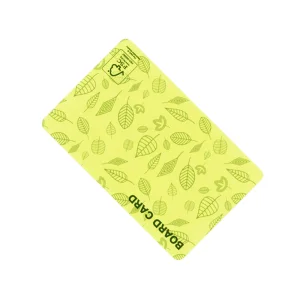
High-Quality Luxury Premium Paperboard Cards for Business Branding Company, Products
View Product Details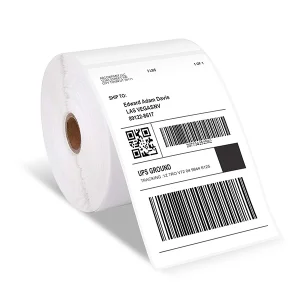
High-Quality Heat-Resistant Thermal Paper Adhesive Labels Factory, Company
View Product Details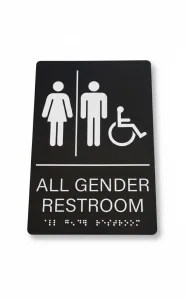
Custom Custom Tactile Braille Signage on Premium ABS Board Manufacturers, Factory
View Product Details
High-Quality Adhesive Labels with Anti-Curl and Moisture-Resistant Sealed Backing Paper Factory, Product
View Product Details
High-Quality Durable Paper Hangers for Clothing Display Companies, Product
View Product Details
China Detailed Booklet-Style Instruction Manuals for Equipment or Products Company, Products
View Product Details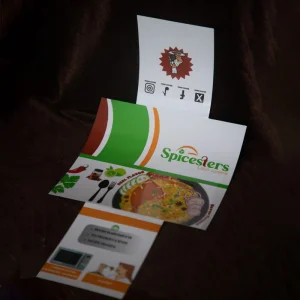
Buy Custom-Printed Sleeves for Food Container Factory, Factories
View Product Details
High-Quality Instant-Print Thermal Paper Tickets for Customizable Event or Service Factories, Product
View Product DetailsFrequently Asked Questions for Commercial Sourcing & OEM Manufacturing
Expert answers addressing material selection, printing tolerances, order quantities, and custom engineering capabilities.