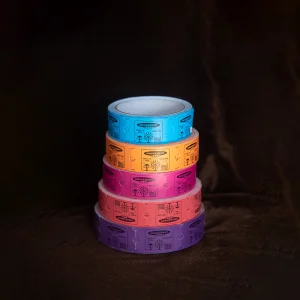
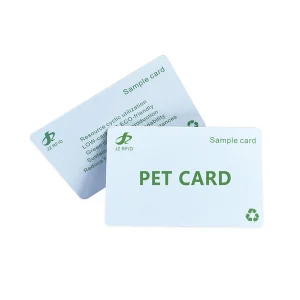
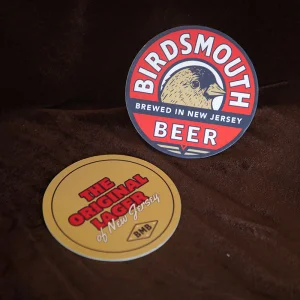
Precision Engineered Envelope & Adhesive Solutions
Directly explore OEM/ODM converting options, high-tack specialty backing papers, custom sleeves, and structural instruction inserts engineered in ISO 9001 certified facilities.

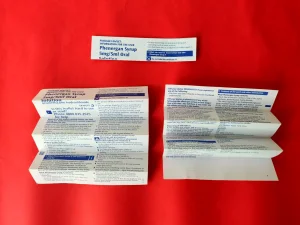


The Global Commercial & Industrial Landscape of Small Envelopes
Examining the evolution of small format envelopes from basic office stationery to engineered industrial packaging components used across tech, pharmaceuticals, apparel, and high-speed automated manufacturing lines.
Standardized & Custom Sizing
Small envelopes encompass standardized micro-dimensions such as #1 Coin (2.25" x 3.5"), #3 Coin (2.5" x 4.25"), #5.5 Coin (3.125" x 5.5"), alongside custom die-cut miniature sleeves. These dimensions require tight manufacturing tolerances to ensure smooth feedability in automated packaging machinery.
High-Speed Line Automation
Modern production environments integrate small envelopes into high-speed inserters and pick-and-place robotics. Substrate tensile strength, anti-static coatings, and precise fold-creasing are vital engineering factors preventing machine jams and downtime in automated fulfillment hubs.
Strict Regulatory Adherence
Global enterprise procurement requires strict environmental compliance. Leading envelope and label converters adhere to REACH, RoHS, and FSC standards, ensuring that raw papers, barrier coatings, and pressure-sensitive glues emit zero hazardous volatile organic compounds (VOCs).
Industry Trends & Materials Science Innovations
The small envelope manufacturing sector is experiencing a paradigm shift driven by sustainable polymer chemistry, advanced barrier laminations, and intelligent security integration.
Bio-Based Substrates
Transitioning from virgin plastics to FSC-certified recycled kraft, unbleached kraft paper, and biodegradable PLA film windows. These materials deliver robust tear resistance while drastically lowering carbon footprints.
High-Tack Adhesive Systems
Development of acrylic and rubber-based hot-melt adhesives optimized for extreme environments. Formulations resist breakdown under low freezer temperatures (-40°C) and high surface tension rubber substrates.
ESD & Anti-Static Protection
Industrial small envelopes for electronic components incorporate conductive carbon linings or dissipative amine-free coatings, mitigating static discharge risks during transport of micro-semiconductors.
Tamper-Evident Seals
Integrating micro-perforations, void-revealing security tapes, and destructive peel-and-seal adhesives. Any unauthorized opening attempt leaves visible physical evidence on the envelope flap.
Technical Substrate & Adhesive Performance Matrix
Evaluating paper weight (GSM), tensile strength, adhesive shear values, and environmental resistance across common envelope and specialty sleeve constructions.
| Substrate Material Type | Grammage (GSM) | Tensile Strength (MD/CD) | Adhesive Mechanism | Primary Industrial Use Case |
|---|---|---|---|---|
| Unbleached Virgin Kraft Paper | 80 - 120 GSM | High (75/45 N/15mm) | Water-Activated (Gummed) / Peal-Seal | Heavy-duty hardware parts, seed packets, coin storage. |
| High-Translucency Glassine Paper | 40 - 65 GSM | Medium (40/25 N/15mm) | Pressure-Sensitive Acrylic Glue | Luxury garment tags, inspection windows, document pouches. |
| Tear-Proof PET / Polyester Film | 50 - 125 Micron | Extreme (>120 N/15mm) | High-Tack Modified Solvent Acrylic | Electrical insulation envelopes, component rating tags. |
| Synthetic Polypropylene (BOPP) | 60 - 90 GSM Equivalent | High (90/80 N/15mm) | Hot-Melt Permanent Adhesive | Weatherproof outdoor sleeves, tire label envelopes. |
| Bleached Offset Fine Paper | 70 - 100 GSM | Standard (50/30 N/15mm) | Pressure-Sensitive / Self-Seal Latex | Corporate gift cards, keycard holders, luxury hotel stationery. |
Adhesive Mechanics: Tack vs Shear
Understanding initial tack (quick-stick under low pressure) versus shear strength (holding power under continuous strain) is critical when choosing envelopes for curved or rough surfaces such as rubber tires, wire bundles, or textured corrugated boxes.
Backing Paper Release Force
For self-adhesive small envelopes, the silicone coating weight on the release liner governs manual or automatic peel speed. Standard release force ranges from 10g/25mm (easy peel for automated lines) to 35g/25mm (tight peel for manual assembly).
Precision Folding & Creasing
High-precision score lines prevent paper fiber cracking along the flap fold, especially on heavy GSM board stocks (200-350 GSM). Scoring matrices are calibrated based on moisture content to maintain crisp geometry.
Micro-Localized Commercial Application Scenarios
From automotive supply chains to luxury hospitality, small envelopes and specialized custom sleeves fulfill distinct operational and branding requirements.
Hospitality & Access Control
Custom printed paperboard keycard sleeves and miniature tent cards. Utilizing heavy paperboard (250-300 GSM) with soft-touch lamination or hot-foil stamping, these sleeves protect magnetic stripes and RFID chips while conveying premium hotel branding.
Industrial Assembly & Electronics
Micro-envelopes and wire-label sleeves used to store micro-fasteners, replacement spare parts, and electrical safety certificates. Formulated with high-tack adhesives that adhere securely to powder-coated metal and oily machinery surfaces.
Retail Apparel & Food Packaging
Custom printed sleeves for food containers and high-strength paper display hangers. Engineered to comply with direct/indirect food contact safety guidelines (FDA/EU), featuring moisture-resistant greaseproof barriers.
End-to-End OEM/ODM Manufacturing Workflows
From raw pulp sourcing and polymer extrusion to high-resolution offset printing and precision die-cutting, explore our standard operational procedures.
1. Substrate Selection
Analyzing mechanical demands (bursting strength, opacity, weatherproofing) to specify optimal virgin papers, PET films, or specialized ABS boards.
2. Color & Print Execution
Utilizing UV flexographic, Heidelberg offset, or direct thermal process color matching (Pantone PMS) to achieve strict brand color consistency.
3. Adhesive Lamination
Applying hot-melt, solvent acrylic, or removable pressure-sensitive glues with precision coat weights (18 - 35 gsm) paired with high-translucency liners.
4. Rotary Die-Cutting
Converting flat webs into precision folded small envelopes, sleeves, or labels using hardened solid rotary dies operating under tight tolerances.
Frequently Asked Questions for B2B Sourcing
Comprehensive answers addressing procurement specifications, adhesive engineering, custom sizing, and order fulfillment protocols.
Extended Industrial & Commercial Solutions
Browse our specialized weather-proof boards, heavy-duty backing paper labels, custom tickets, and hospitality paper products.