
High-Performance Adhesive & Marking Solutions
Engineered substrates and automotive-grade pressure-sensitive labels manufactured to withstand extreme thermal, chemical, and mechanical stresses.
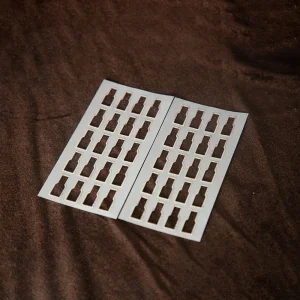
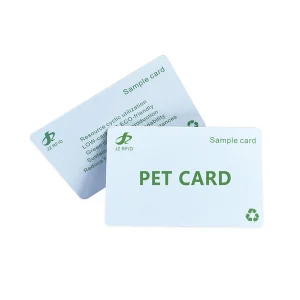
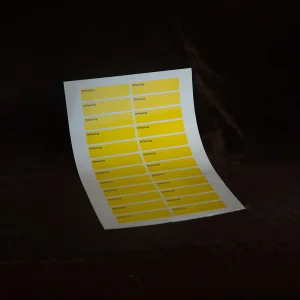
Engineering Automotive Identity: The Technical Paradigm Shift in China Auto Sticker Logo Manufacturing
The modern automotive industry is undergoing a structural transition toward electrification, light-weighting, and intelligent visual branding. In this environment, an automotive emblem or identification label is no longer a simple decorative element; it is an engineered component required to endure up to 15+ years of severe outdoor weathering, UV degradation, chemical washdowns, and micro-vibrational shear forces.
As a leading China Auto Sticker Logo Company, Xiamen Lianhua Printing Co., Ltd. (founded in February 1992) has stood at the forefront of surface science and converter technology for over three decades. Operating out of Xiamen, China, our ISO-certified facilities synthesize chemical substrate selection, precision rotary die-cutting, pressure-sensitive adhesive (PSA) formulations, and advanced laser engraving to deliver enterprise-grade exterior Badging, interior control overlays, and functional engine bay graphics.
This technical whitepaper provides B2B procurement managers, automotive engineers, and supply chain directors with an exhaustive analysis of material selection, OEM factory capabilities in China, micro-application scenarios, and global sourcing strategies designed to maximize lifecycle reliability while optimizing total cost of ownership (TCO).
Key Manufacturing Benchmarks
- Operating History: Continuous manufacturing excellence since 1992 (30+ years).
- Quality Management: ISO9001 / ISO14001 certified quality control frameworks.
- Environmental Compliance: Full compliance with RoHS, REACH, and green purchasing directives.
- Material Capabilities: Polyimide (PI), PET, Polycarbonate (PC), ABS Dual-Color Boards, Heavy-Duty Release Liners.
- Adhesive Technologies: High-tack acrylic, cold-chain freezer grade, and high-shear double-coated bonding films.
Why Global Automotive OEMs Source Stickers & Logos from China Factories
The integration of complete raw material supply chains, advanced machinery, and rigorous process engineering gives Chinese converters a definitive competitive edge.
Integrated Polymer & Adhesive Supply Chain
China holds the world’s most concentrated chemical ecosystem for synthetic films, modified acrylic adhesives, and specialized release papers. Facilities in Xiamen leverage localized access to premium PET, ABS, and Polycarbonate resins, dramatically compressing raw material lead times and eliminating international transit markups for B2B buyers.
Advanced Rotary Die-Cutting & Laser Engraving
Modern vehicle emblems require compound geometric curves, micro-slitting, and exact zero-clearance pin alignment. Chinese auto sticker manufacturers employ multi-station rotary die-cutting units, UV flexographic presses, and high-precision CNC laser engravers capable of handling multi-layer ABS dual-color boards and ultra-thin Polyimide films down to micron tolerances.
Extreme Environment Testing & Validation
Automotive stickers must undergo rigorous environmental verification protocols before mass adoption. Chinese testing centers execute accelerated Xenon-arc weatherometer testing, thermal shock cycling (-40°C to +150°C), fluid immersion tests (gasoline, engine oil, brake fluid), and high-pressure hot water jet resistance (DIN 40050-9 standards).
Automotive Sticker & Emblem Deployment Matrix
Every quadrant of a vehicle demands a unique combination of substrate chemistry, surface energy matching, and adhesive rheology.
1. Engine Compartment & Powertrain Labels
The engine bay experiences rapid temperature swings, oil mist exposure, and continuous vibration. Standard paper or basic vinyl labels degrade within months.
- Optimal Substrate: Custom Heat-Resistant Polyimide (PI) film or Top-coated Metallic PET.
- Adhesive Requirement: High-shear cross-linked acrylic base maintaining 1.5 kN/m peel strength at 150°C.
- Use Case: Emission control diagrams, turbocharger warnings, fuse box schematics, fluid specs.
2. EV Battery Pack & High-Voltage Safety Decals
Electric Vehicles (EVs) require specialized electrical insulation, flame retardancy (UL94 V-0 standard), and permanent high-voltage hazard markings.
- Optimal Substrate: Dielectric PET film or flame-retardant Polycarbonate (PC) sheeting.
- Adhesive Requirement: Solvent acrylic with zero conductive ionic impurities.
- Use Case: Battery cell module labels, inverter safety notices, charging inlet identification.
3. Exterior Bodywork & Brand Badging
Brand emblems on the trunk, grille, or side panels must project a 3D aesthetic, resist car wash brush scratches, and survive decades of UV-A/UV-B irradiation.
- Optimal Substrate: Outdoor Grade ABS Dual-Color Board or Chrome-plated Polycarbonate.
- Adhesive Requirement: Heavy-duty acrylic foam tape with viscoelastic strain dissipation.
- Use Case: Model badges, trim accents, dealership logos, custom car club emblems.
4. Tire & Vulcanized Rubber Assembly Labels
Tires possess low-surface-energy (LSE) rubber compounds coated with mold-release waxes, making adhesion exceptionally difficult for standard stickers.
- Optimal Substrate: Aluminum foil-backed synthetic paper or heavy-duty film.
- Adhesive Requirement: High-tack thick modified rubber adhesive designed to flow into rubber textures.
- Use Case: Tread barcode tracking, OEM tire specification tags, warehouse inventory labels.
5. Wiring Harness Flags & Cable Wrapping
Cables inside vehicle door panels and dashboards are narrow, curved, and subjected to continuous flexing. Labels must not experience "flagging" (peeling away).
- Optimal Substrate: Flexible Vinyl or Ultra-thin Polycarbonate (PC) synthetic film.
- Adhesive Requirement: Self-laminating high-tack adhesive with quick initial grab.
- Use Case: Wire harness identification, CAN-bus node labeling, sensor line markers.
6. Accessible Interior Signage & Tactile Overlays
Public transit vehicles, commercial fleets, and handicap-accessible transport require tactile indicators and durable interior panel markings.
- Optimal Substrate: Custom Tactile Braille Signage on Premium ABS Board.
- Adhesive Requirement: High-strength double-coated tissue adhesive.
- Use Case: Emergency door release signs, braille accessibility tags, seating switches.
Material Science: Substrates, Adhesives & Backing Systems
A detailed evaluation of the chemical interaction between surface energy, adhesive rheology, and release paper mechanics.
1. Polyimide (PI) vs. PET vs. ABS Chemistry
Polyimide (PI): Features aromatic rings in its polymer backbone, offering thermal stability past 300°C. Essential for automotive printed circuit boards (PCBs) and engine hood underside labels.
Polyethylene Terephthalate (PET): Provides exceptional tensile strength, dimensional stability, and resistance to automotive fluids (coolant, brake fluid). Ideal for chassis barcodes.
Acrylonitrile Butadiene Styrene (ABS): Terpolymer combining the rigidity of styrene, chemical resistance of acrylonitrile, and impact toughness of butadiene. Used in laser-engraved 3D badges.
2. Adhesive Dynamics: Tack, Peel & Shear Balance
Selecting an automotive adhesive requires balancing three mutually competing physical forces:
- Tack: Initial instant wetting force upon zero-pressure contact. High tack prevents corner lift on curved plastic body panels.
- Peel Adhesion: The force required to strip a bonded label at a 90° or 180° angle. Automotive specifications typically demand > 18 N/25mm permanent bonding.
- Shear Holding Power: Internal cohesive strength resisting continuous sliding forces under elevated ambient temperatures.
3. Backing Paper & Liner Release Engineering
Automated high-speed application lines on vehicle assembly floors fail if backing papers tear or curl. Solution engineering includes:
- High-Translucency Glassine: Enables optical sensor detection on automatic high-speed label applicators.
- Anti-Curl Moisture-Sealed Liners: Poly-coated kraft liners that maintain flat lay out under high-humidity factory conditions.
- Heavy-Duty Thick Liners: Prevent die-blade strike-through during deep kiss-cutting operations.
Automotive Substrate Technical Specification Matrix
| Substrate Family | Thermal Range (°C) | UV Resistance | Chemical / Oil Resistance | Surface Energy Compatibility | Typical Automotive Life |
|---|---|---|---|---|---|
| Polyimide (PI) Film | -40 to +300°C | Excellent | Outstanding (Solvents/Acids) | High & Medium Surface Energy | 15+ Years (Engine Hood) |
| Polycarbonate (PC) Card | -30 to +120°C | Very Good (UV Stabilized) | Good (Scratches/Abrasion) | Medium Surface Energy | 10-12 Years (Interior Controls) |
| PET Synthetic Paper | -40 to +150°C | Excellent | High (Fuels & Coolants) | Universal (High-Tack PSA) | 10+ Years (Underbody/Chassis) |
| ABS Dual-Color Board | -40 to +85°C | Outdoor Grade (UV Top-coat) | Good (Weathering/Salts) | Mechanical Fastener / Foam Tape | 12+ Years (Exterior Emblem) |
| Direct Thermal Paper | -20 to +60°C | Fair (Indoor Storage) | Moderate (Short exposure) | High Surface Energy | 1-2 Years (Logistics/Tracking) |
Global Enterprise Procurement Playbook: Auditing a Chinese OEM Supplier
Key quality control metrics, international compliance frameworks, and production milestones B2B buyers must evaluate during vendor onboarding.
1. Regulatory & Chemical Compliance Verification
International automotive OEMs operate under strict environmental liability mandates. A qualified China factory must provide annually updated third-party testing documentation:
- RoHS Directive 2011/65/EU: Verification of zero heavy metals (Lead, Mercury, Cadmium, Hexavalent Chromium) in adhesives and substrates.
- REACH SVHC Compliance: Ensuring zero Substances of Very High Concern above 0.1% w/w.
- IMDS Registration: Capability to upload material breakdowns into the International Material Data System.
2. Dimensional Stability & Toll Converting Standards
Precision matters when auto sticker logos undergo automated pick-and-place robot installation during assembly.
- Die-Cutting Tolerances: Industrial standard demands ±0.1mm, while precision electronic badges require ±0.05mm.
- Kiss-Cutting Quality: Zero perforation of the siliconized release liner to prevent web breakage during automated dispenses.
- Registration Control: Automated CCD visual inspection systems monitoring print-to-cut alignment in real-time.
3. Export Packaging & Supply Chain Resilience
Pressure-sensitive labels are sensitive to humidity and pressure during transoceanic container shipping.
- Sealed Moisture Barriers: Individual roll vacuum-sealing with desiccant packs prevents adhesive edge bleed and liner swelling.
- Core Protection: Heavy-wall plastic or cardboard cores preventing roll crushing under stacking loads.
- Traceability: Full lot-number barcode indexing mapped back to raw material master rolls and press operator logs.
Frequently Asked Questions by Global Automotive Sourcing Teams
Technical insights on OEM customization, lead times, adhesive performance, and compliance.
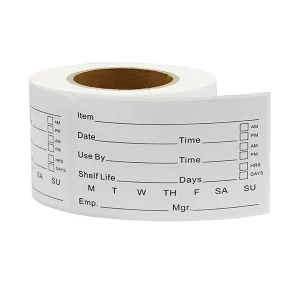
Specialized Substrates, Engraving Boards & Technical Print Media
Explore our expanded catalog of ABS dual-color signboards, tactile signage, thermal cards, and specialized backing papers.





Partner with China's Premier Auto Sticker Logo Manufacturer
Request custom engineering samples, technical datasheets, or a competitive quotation for your OEM vehicle badging and industrial label projects.