
High-Precision Industrial Labels & Display Solutions
Explore engineered label and printing products manufactured under strict ISO quality controls for global OEM/ODM applications.
-
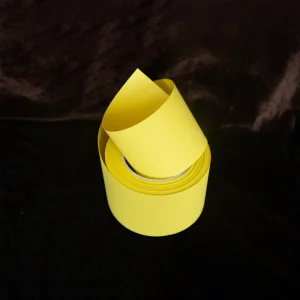
High-Quality Secure, Durable and High-Tack Wire Adhesive Labels Factories, Company
-

Custom Adhesive Labels with Heavy-Duty Thick Backing Paper Company, Companies
-
-

-
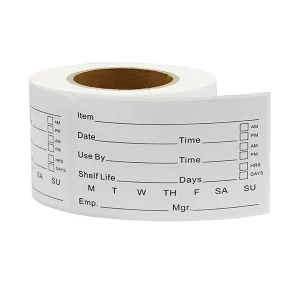
Custom Low Temperature Resistant Freezer Adhesive Labels Manufacturers, Factories
-

High-Quality Durable Paper Hangers for Clothing Display Companies, Product
-
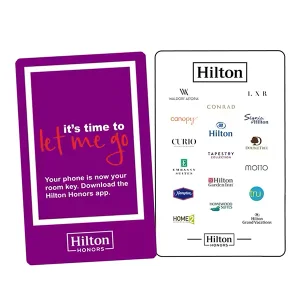
High-Quality Scratch Resistant Polycarbonate Card Manufacturers, Products
-
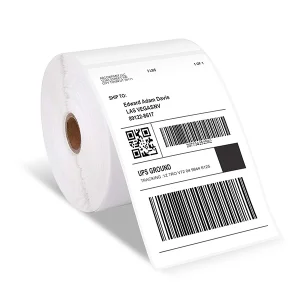
High-Quality Heat-Resistant Thermal Paper Adhesive Labels Factory, Company
Strategic Role of Menu Tent Cards in Global Point-of-Sale Architecture
Menu tent cards serve as critical micro-touchpoints in commercial dining, corporate hospitality, and promotional retail environments. Beyond simple visual displays, engineered table tents drive user engagement, facilitate contactless ordering via integrated smart technologies, and elevate brand perception.
Spatial & Visual Ergonomics
Precision die-cutting and calibrated creasing ensure 360-degree visibility. Double-sided and triangular tent configurations maximize table surface ROI without cluttering dining spaces.
Advanced Substrate Coating
Formulated with scratch-resistant, anti-grease, and fluid-repellent barriers. Synthetic papers and UV varnish treatments withstand continuous sanitization cycles in high-traffic QSR settings.
Hybrid Smart Integration
Embedding high-density QR code prints and NFC chips into table tents bridges offline hospitality operations with dynamic cloud menus, loyalty programs, and digital payment gateways.
The China Manufacturing Advantage: Why Global Brands Sourcing in Xiamen Win
China’s printing and packaging industrial hubs, particularly in Xiamen, Fujian, offer unmatched supply chain integration. From raw pulp sourcing and synthetic film extrusion to automated printing, converting, and logistics—China menu tent card factories deliver uncompromised quality at scale.
End-to-End Vertical Supply Chain
In-house paper converting, custom polymer extrusion, and formulation of specialty adhesives provide total quality control. Procurement teams eliminate middleman markup, achieving a 35% to 50% cost reduction in total cost of ownership (TCO) while securing custom board weights (300GSM to 500GSM) and specialized finishes.
Automated High-Speed Precision Converting
Deploying Heidelberg multi-color offset presses, Heidelberg die-cutters, automatic scoring machines, and inline lamination units. Advanced optical inspection systems check color delta-E tolerances (<1.5) and folding accuracy in real-time at speeds up to 10,000 sheets per hour.
Factory Quality Assurance Protocol for Menu Tent Cards
China OEM menu tent card manufacturing follows a standardized quality management matrix to prevent warping, cracking, or color drift across international multi-location rollouts:
- Substrate Moisture Stabilization: Raw paperboards are conditioned in climate-controlled rooms to prevent post-print bending or buckling.
- Precision Micro-Scoring: Deep, accurate score lines prevent fibre rupture along folds during assembly, ensuring crisp A-frame or triangular geometry.
- UV Lamination & Seal Coating: Thermally laminated polypropylene (OPP) film or aqueous varnish seals raw edges against food spills and cleaning chemicals.
- Flat-Pack Shipping Engineering: Custom nesting and interlocking tab designs allow tent cards to ship 100% flat, dramatically reducing international volumetric ocean freight charges.
Substrate Comparison Matrix: Choosing the Optimal Material
Selecting the right material substrate is critical to balancing longevity, tactile hand-feel, eco-compliance, and cost-per-unit for high-frequency promotional use.
| Substrate Type | Typical Weight / Thickness | Durability Rating | Water & Oil Resistance | Best Application Environment |
|---|---|---|---|---|
| Premium SBS C1S/C2S Paperboard | 350 GSM - 450 GSM | Standard to High | Moderate (Requires OPP Lamination) | Hotels, Banquets, Fine Dining, Seasonal Promotions |
| Synthetic Polypropylene (PP) Paper | 200 Micron - 400 Micron | Extreme (Tear-Proof) | 100% Waterproof & Greaseproof | QSR Chains, Outdoor Dining, Bars, Fast Casual |
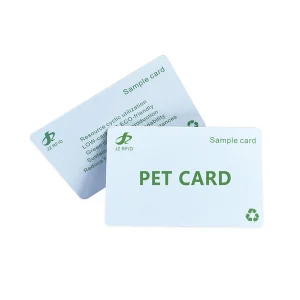
| Recyclable PET Substrate | 250 Micron - 500 Micron | High Structural Rigidity | 100% Impermeable | High-Hygiene Medical Canteens, Luxury Hospitality |
| Polycarbonate (PC) Heavy Card | 0.5 mm - 1.0 mm | Ultra (Scratch-Proof) | Chemical & Wash Resistant | Long-Term Table Displays, POS Kiosks, Gaming Venues |
| Kraft Eco-Board (FSC Certified) | 300 GSM - 400 GSM | Eco-Sturdy | Moisture-Resistant Varnish | Organic Cafes, Sustainable Brands, Eco Hotels |
Finishing Techniques & Tactile Aesthetics
Transform functional tent cards into luxury collateral through specialty post-press operations:
- Hot Foil Stamping: Gold, silver, metallic rose, or holographic foils for luxury brand elegance.
- Spot 3D UV Varnish: Tactile raised textures highlight logos, drink visuals, or promotional headlines.
- Soft-Touch Velvet Lamination: Non-glare, ultra-smooth tactile feel with superior fingerprint resistance.
- Custom Window Die-Cutting: Intricate laser cutouts revealing hidden dynamic QR codes or interior card inserts.
Structural Folding & Interlocking Mechanics
Menu tent cards require robust standing stability to avoid slipping on smooth marble or wooden tables:
- Self-Locking Tab Base: Die-cut slit and notch system allowing assembly in under 3 seconds.
- Double-Sided Tape Base: Pre-applied high-tack tissue tape for permanent A-frame geometry.
- Magnetic Bottom Closure: Hidden magnetic strips inside the base for premium reusable fold-flat frames.
- Triangular Pyramid Shape: Three-sided view panel maximizing visual real estate for drink specials.
Macro Trends Shaping Menu Tent Card Manufacturing
Driven by digital acceleration, ESG mandates, and evolving consumer habits, the global menu printing industry is undergoing structural modernization.
1. Phygital POS (QR & NFC)
Menu tent cards are no longer static printed matter. Embedded high-contrast dynamic QR codes and ultra-thin RFID/NFC inlay stickers enable instant mobile menu scanning, dynamic price updates, direct table ordering, and Google Review collection.
2. Antimicrobial Surface Sealants
In response to global hygiene standards, advanced varnish formulations integrate silver-ion antimicrobial coatings that actively kill 99.9% of surface bacteria, keeping reusable synthetic menu cards safe for continuous table usage.
3. FSC & Plastic-Free Mandates
Global hospitality groups are eliminating single-use plastics. China manufacturers lead the shift by utilizing 100% Forest Stewardship Council (FSC) certified recyclable virgin fiber, soy-based inks, and biodegradable water-based dispersion lacquers.
Localized Application Scenarios & Global Industry Verticals
Menu tent cards are engineered differently depending on operational conditions, ambient lighting, moisture exposure, and handling frequency across global hospitality segments.
1. Fine Dining & Luxury Hotel Banquets
Requirements: Elegance, thick hand-feel, gold metallic foil accents, clean score folds.
Recommended Specs: 400GSM SBS Board, Soft-Touch Matte Lamination, Custom Hot Foil Stamped Monogram, Flat-Pack Self-Locking Base.
2. High-Volume Quick Service Restaurants (QSR) & Bars
Requirements: 100% waterproof, grease-proof, wipeable surface, intense stain resistance.
Recommended Specs: 300 Micron Synthetic PP Paper, UV Gloss Encapsulation, High-Contrast QR Printing for Dynamic Digital Menus.
3. Corporate Conferences & Exhibition Venues
Requirements: Fast turnover, double-sided name display, clear speaker/event branding.
Recommended Specs: 350GSM Recyclable Paperboard, Dual-Name Tent Score Lines, Eco-Friendly Water-Based Gloss Varnish.
4. Cruise Ships, Aviation & Outdoor Patios
Requirements: High humidity resistance, UV light stability against fading, heavy base stability.
Recommended Specs: Polycarbonate (PC) Card or Heavy Polypropylene, Anti-UV Ink Pigments, Interlocking Heavy Weight Base.
Global Procurement Framework & Landed Cost Optimization
Streamlining international OEM menu tent card procurement requires structured quality gates, color management alignment, and freight volume optimization.
G7 Color Calibration & Consistency
Working with ISO 12647-2 and G7 certified printers guarantees that brand pantone colors remain 100% identical across initial sampling runs and multi-million unit mass production batches.
Freight Density & Flat-Pack Design
Unassembled flat tent cards reduce cubic carton space by up to 80%. A single 40ft HQ container can hold over 1.2 million flat-packed tent cards, drastically cutting per-unit sea freight costs.
Regulatory Compliance (RoHS/REACH)
Ensuring all inks, adhesives, and laminates meet US FDA food-contact standards, EU REACH regulation, and RoHS safety mandates for non-toxic indoor dining deployment.
Expanded Factory Catalogue & Custom Solutions
Browse our extended product lines spanning business branding cards, thermal labels, food packaging sleeves, and instruction manuals.
-
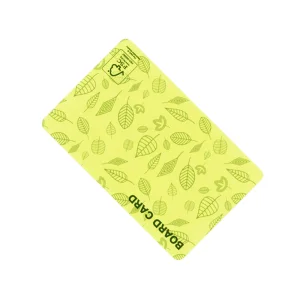
High-Quality Luxury Premium Paperboard Cards for Business Branding Company, Products
-
Custom Weatherproof, Affordable and Reliable PVC Adhesive Labels Company, Product
-
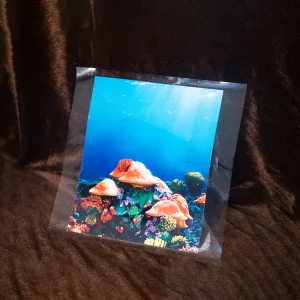
High-Quality Adhesive Labels with High-Translucency Backing Paper Manufacturers, Factories
-
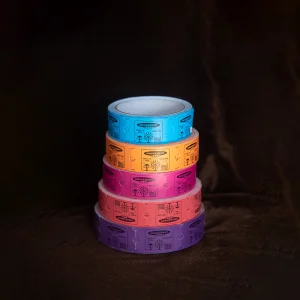
Buy Standard General Admission Tickets and Airline Tickets Manufacturers, Factories
-
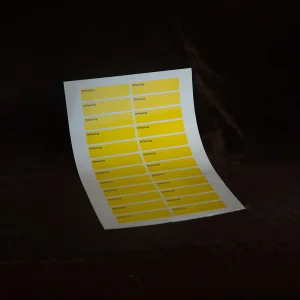
Custom Heat-Resistant Polyimide (PI) Adhesive Labels Manufacturers, Product
-
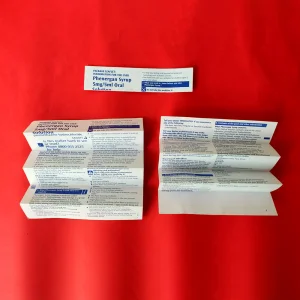
Custom Multi-Panel Folded Instruction Manuals for Product Manufacturers, Factories
-
-
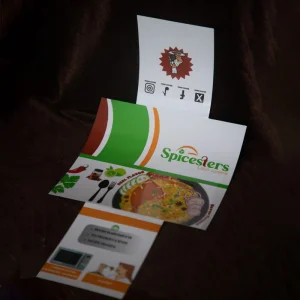
Buy Custom-Printed Sleeves for Food Container Factory, Factories
Frequently Asked Questions by Global OEM Buyers
Expert answers regarding custom menu tent card production, structural engineering, ordering procedures, and shipping economics.
Ready to Elevate Your Point-of-Sale Collateral?
Work directly with China’s premier OEM/ODM printing and converting manufacturer. Request custom physical material samples, structural CAD templates, or competitive landed cost quotations today.