
Featured Packaging & Industrial Label Solutions (Set A)
Explore our foundational range of precision-manufactured paper sleeves, specialized cards, signboards, and high-performance pressure-sensitive industrial labels.


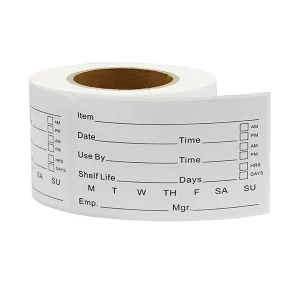
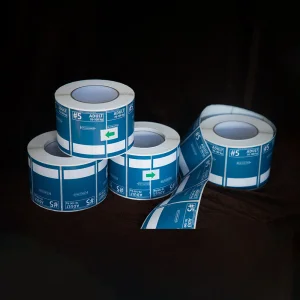
Paper Sleeve Packaging Engineering: Material Science & Structural Integrity
An in-depth technical analysis for global enterprise procurement officers, packaging engineers, and supply chain managers evaluating Chinese paper sleeve packaging manufacturers.
In the modern sustainable packaging landscape, the shift from multi-layer plastic wraps and unrecyclable composite films toward engineered paper sleeve packaging represents one of the most significant architectural transformations in retail and industrial supply chains. A paper sleeve—often referred to as a packaging belly band, sleeve wrap, or slide box sleeve—is a open-ended paperboard structure designed to slip over primary containers (such as food trays, cosmetic tubs, apparel, or electronics boxes). When engineered correctly by a qualified China paper sleeve packaging manufacturer, it provides high-impact visual surface area, structural containment, anti-tamper security, and essential regulatory compliance info without adding excess tare weight or unrecyclable volume.
Technical Specification Comparison: Substrate Grades for Global Sourcing
To assist enterprise procurement teams in standardizing their Requests for Quotation (RFQs), the matrix below outlines the key mechanical and environmental metrics of primary paperboard grades processed in high-capacity Chinese packaging facilities:
| Paperboard Grade | Standard GSM Range | Caliper Thickness (pt / mm) | Taber Stiffness (mN·m) | Primary Application Profile | Recyclability Rating |
|---|---|---|---|---|---|
| SBS (Solid Bleached Sulfate) | 250 – 400 GSM | 12pt – 22pt (0.30 – 0.55mm) | 8.5 – 24.0 | Luxury Cosmetics, Electronics, High-End Retail Sleeves | 100% Recyclable (Pulpable) |
| FBB (Folding Box Board) | 210 – 380 GSM | 14pt – 26pt (0.35 – 0.65mm) | 10.0 – 28.5 | Chilled Food Trays, Frozen Meals, Pharmaceuticals | 100% Recyclable |
| CUK (Coated Unbleached Kraft) | 230 – 450 GSM | 14pt – 28pt (0.35 – 0.70mm) | 12.0 – 35.0 | Heavy Beverage Multi-Packs, Hardware, High-Tear Sleeves | 100% Recyclable (High Fiber Yield) |
| CCNB (Clay Coated News Back) | 280 – 450 GSM | 15pt – 24pt (0.38 – 0.60mm) | 7.0 – 20.0 | Budget E-Commerce Sleeves, Secondary Outer Bands | 100% Recycled Content |
China Supply Chain Synergy & Industrial Scale
Why leading global brands partner with tier-1 OEM/ODM paper sleeve manufacturers in Fujian, Guangdong, and Eastern China manufacturing hubs.
Fully Integrated Fiber Supply
China's packaging industrial clusters maintain vertical integration with major pulp processing mills. This proximity ensures immediate access to FSC-certified virgin wood pulp, post-consumer recycled (PCR) stock, and specialized barrier-coated liners—shielding buyers from global raw material price swings.
High-Speed Automation Fleet
Utilizing state-of-the-art Heidelberg 8-color offset presses, Bobst automatic die-cutters, and inline windowing/gluing systems, Chinese factories achieve production speeds exceeding 15,000 sleeves per hour per line, maintaining exact registration and zero edge fraying.
Tooling Optimization & MOQ Flexibility
Advanced CAD die-line engineering combined with automated steel-rule die fabrication reduces setup costs drastically. This enables enterprise buyers to execute multi-SKU product runs, seasonal branding changes, and regionalized packaging variants efficiently.
Global Regulatory Compliance & Sustainable Architecture
Ensuring full alignment with European Union PPWR, US FDA direct/indirect food contact directives, and global circular economy protocols.
Navigating international regulatory frameworks is a cornerstone capability of top-tier paper sleeve manufacturers in China. With the implementation of the EU Packaging and Packaging Waste Regulation (PPWR) and strict EPR (Extended Producer Responsibility) schemes across North America, paper packaging is subject to rigorous chemical and structural auditing.
Barrier Coating Science: Replacing PE & PFAS
Traditional food packaging sleeves relied on polyethylene (PE) lamination or fluorinated (PFAS) coatings for grease resistance. Modern Chinese manufacturers lead the market in deploying water-based dispersion barrier coatings (bio-polymers). These coatings pass PTS and Western Michigan University (WMU) recyclability standards, allowing paper sleeves to be repulped seamlessly without plastic film residue.
Low-Migration & MOSH/MOAH Free Inks
For paper sleeves used over food containers or cosmetic primary packaging, vegetable oil-based and soy-based inks are standard. Manufacturing facilities operate dedicated low-migration printing rooms compliant with Swiss Ordinance and Nestlé Guidance on Packaging Inks, preventing Mineral Oil Saturated Hydrocarbons (MOSH) and Mineral Oil Aromatic Hydrocarbons (MOAH) cross-contamination.
- FSC Chain of Custody (CoC): Full traceability from responsibly managed forests (FSC-C123456 verified) to finished paper sleeve packaging.
- REACH & RoHS Compliance: Heavy metals, phthalates, and SVHC (Substances of Very High Concern) tested below limits via SGS/Intertek certified lab reports.
- ISO 9001:2015 & BRCGS Packaging Materials: Strict quality control management guarantees lot-to-lot consistency and total cleanroom production for food-grade sleeves.
Cross-Industry Application Scenarios & Engineering Case Studies
How customized paper sleeve designs solve packaging, branding, and structural security challenges across varied market sectors.
Engineering Solution: 350 GSM wet-strength FBB board with a dual-sided water-based barrier coating. Glued with food-safe cold-resistant adhesive that prevents sleeve pop-open in freezer display cases.
Engineering Solution: 300 GSM Kraft paper sleeves featuring inter-locking friction tabs or self-adhesive sealing strips. Provides premium organic aesthetic and zero plastic waste for retail display.
Engineering Solution: 400 GSM SBS board with soft-touch matte lamination, tactile braille embossing, and spot UV accents. Engineered tight-fit tolerances ensure zero movement over rigid inner boxes.
Specialized Packaging, Cards & Label Solutions (Set B)
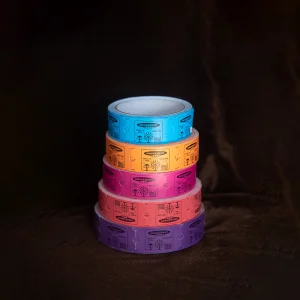
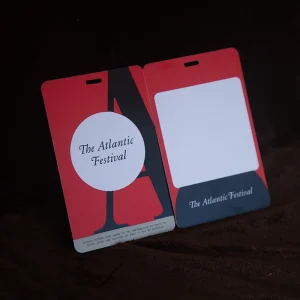
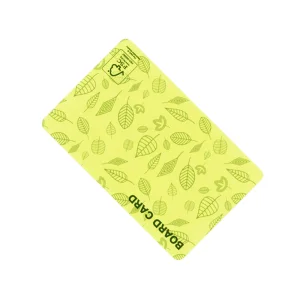
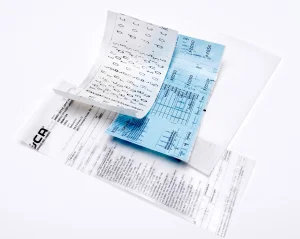
Complete product catalog items including food sleeves, specialized paperboard cards, thermal labels, and industrial insulation materials.
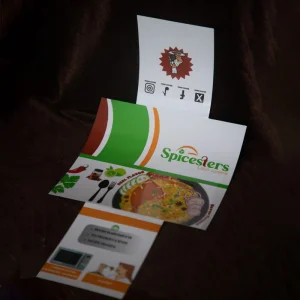
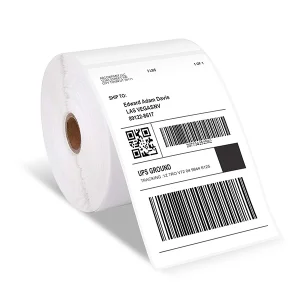
Industry Trends & Technological Roadmap (2025–2030)
Pioneering advancements in digital embellishments, smart interactive packaging, and zero-waste material circularity.
Frequently Asked Questions (FAQ) for Global Buyers
Expert guidance on procurement, custom tooling, minimum order quantities (MOQs), shipping logistics, and material technicalities.
What is the difference between custom paper sleeves and traditional folding cartons?
How do Chinese paper sleeve packaging manufacturers ensure accurate fit over primary containers?
What paperboard GSM thickness is recommended for frozen food meal packaging?
Are custom-printed paper sleeves compliant with EU food contact standards?
What is the standard production lead time and freight shipping options from China?
How are paper sleeves delivered to prevent transit damage and humidity absorption?
Ready to Optimize Your Packaging Supply Chain?
Partner directly with an established ISO 9001 & FSC certified paper sleeve packaging manufacturer in China. Request custom engineering samples, die-line templates, and instant factory-direct quotations today.