
Featured Engineering Substrates & Sign Board Solutions
Top-tier industrial components and visual identification products manufactured under strict ISO 9001 and RoHS/REACH compliance.
-
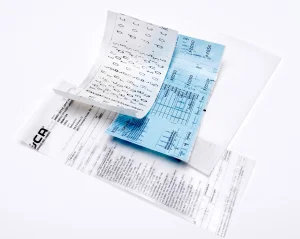
Buy Tear-Proof PET Electrical Insulation Paper (Polyester Film) Manufacturer, Products
-
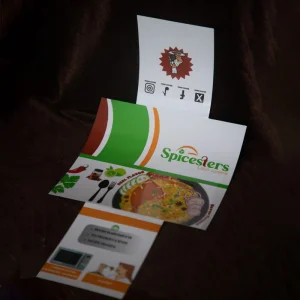
Buy Custom-Printed Sleeves for Food Container Factory, Factories
-
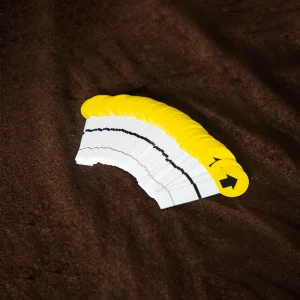
High-Quality Durable and versatile PET Adhesive Labels Manufacturers, Product
-
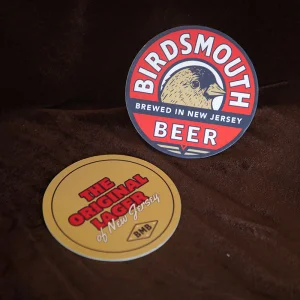
High-Quality Durable Beverage Coasters with Custom Branding Options Factory, Product
-

High-Quality Durable Paper Hangers for Clothing Display Companies, Product
-

High-Quality Adhesive Labels with Anti-Curl Backing Paper Factory, Product
-
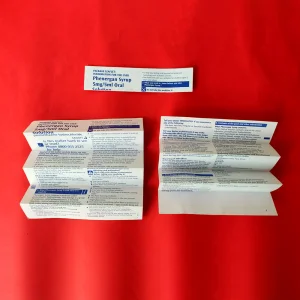
-

Custom Outdoor Grade ABS Dual-Color Board Factories, Products
1. Executive Summary & Structural Ecosystem Overview
Deconstructing the competitive edge, technical capabilities, and value chain of China’s commercial sign board and substrate manufacturing sector.
The global commercial signage, architectural wayfinding, and industrial product identification sectors are undergoing a structural shift. Modern enterprise procurement teams require more than basic graphic printing—they demand material science precision, strict compliance with international building codes (such as ADA tactile specifications), UV stability, flame retardancy, and automated production throughput. Within this global matrix, China sign board manufacturers and specialized conversion factories have evolved from low-cost suppliers into advanced OEM/ODM technology hubs capable of executing high-volume, highly tolerance-critical manufacturing.
Centering around high-tech industrial clusters like Xiamen, Fujian, leading factories leverage complete upstream integration. From local monomer purification for ABS (Acrylonitrile Butadiene Styrene) resin synthesis to in-house acrylic casting, rotary screen printing, precision CNC milling, and high-tack adhesive coating, Chinese manufacturers eliminate multi-tier supplier markups. This vertical alignment gives global B2B buyers a distinct margin advantage without compromising structural integrity or visual fidelity.
Procurement Insight: Search Intent & Information Gain
When enterprise buyers search for "China Sign Board Manufacturer & Factories", the underlying query intent goes far beyond locating a vendor list. Procurement decision-makers are conducting risk assessments. They require verifiable data on sub-surface printing technologies, thermal breakdown thresholds, adhesive shear strength, coefficient of thermal expansion (CTE), and export packaging robustness to prevent freight damage.
2. Core Engineering Capabilities of Chinese Sign Board Factories
Inside the advanced fabrication processes that guarantee long-term performance in extreme environments.
Multi-Layer ABS Co-Extrusion
Advanced dual-color board manufacturing utilizes multi-manifold co-extrusion technology. A ultra-thin UV-stabilized cap layer (0.1mm - 0.3mm) is bonded onto a high-impact ABS core, allowing crisp rotary or laser engraving without microscopic stress cracks.
Tactile & Braille Raster Injection
Meeting ADA (Americans with Disabilities Act) and European accessibility mandates, factories employ automated micro-raster insertion and chemical etching, embedding rounded acrylic or metallic braille beads securely into ABS and acrylic substrates.
High-Tack Adhesive Chemistry
Integrating pressure-sensitive adhesives (PSA) engineered specifically for low-surface-energy (LSE) materials like textured plastics, powder-coated metals, and rubber compounds, delivering high peel and shear stability under thermal stress.
3. Material Science & Substrate Engineering Deep-Dive
Selecting the optimal polymer matrix, adhesive rating, and surface coating based on environmental exposure metrics.
Selecting the incorrect sign board substrate leads to premature yellowing, delamination, cracking, or adhesive breakdown. Chinese direct-manufacturing plants supply engineered grades tailored to specific mechanical and environmental demands. Below is a comparative technical breakdown of primary materials produced by tier-1 China factories:
| Substrate / Material Type | Key Mechanical Properties | Temperature Range | UV / Weathering Resistance | Primary Commercial Applications |
|---|---|---|---|---|
| Outdoor Grade ABS Dual-Color Board | High impact strength, co-extruded cap layer, scratch-resistant matte/gloss finish. | -30°C to +80°C | Excellent (UV Inhibitors Added; Delta E < 2 over 3000h QUVA) | Exterior architectural signage, wayfinding, equipment warning plates, exterior badges. |
| Indoor Standard ABS Dual-Color Board | Easy micro-engraving, precise color separation, rigid dimensional stability. | -10°C to +60°C | Moderate (Indoor Use Recommended) | Office door nameplates, room directory boards, control panel overlays, trophy tags. |
| Tear-Proof PET Polyester Film | High dielectric strength, tensile rigidity, zero elongation under mechanical tension. | -40°C to +150°C | Superior Chemical & Thermal Resistance | Electrical insulation, rating plates, internal electronics tagging, wrap-around wire labels. |
| Scratch-Resistant Polycarbonate (PC) | Unmatched impact resistance (virtually unbreakable), flame retardant (UL94 V-0 options). | -40°C to +135°C | Good (With Hard-Coat Anodic Clear Coating) | Heavy industrial machine guards, membrane switch panels, security identity cards. |
| Polyimide (PI) Thermal Film | Ultra-high thermal integrity, resistance to solder reflow temperatures and harsh solvents. | -50°C to +300°C | Extreme Thermal & Chemical Stability | PCB SMT identification labels, automotive engine compartment tagging, aerospace parts. |
A sign board or label is only as durable as its interface layer. Chinese factories custom-formulate adhesives across three main vectors:
- Initial Tack: Instant grab onto rough or cold surfaces (vital for fast manual assembly lines).
- Peel Adhesion: Ultimate bonding force required to strip the sign board from a wall, door, or machine frame after 72 hours of curing.
- Shear Strength (Holding Power): The internal cohesion of the adhesive layer, preventing vertical slipping of heavy metal or ABS sign plates when subjected to constant gravity and high ambient temperatures.
4. Macro-Industry Solutions & Global Application Scenarios
Tailored sign board, labeling, and display architecture deployed across major global economic sectors.
Commercial Real Estate & Hospitality
Custom tactile braille ABS room signage, hotel corridor directional plaques, luxury acrylic desk tents, and custom branded beverage coasters tailored to international hospitality chains.
Industrial OEM Equipment & Machinery
Laser-engraved equipment rating plates, electrical panel warning graphics, anti-curl heavy-duty backing paper labels, and tear-proof PET electrical insulation barriers for heavy machinery.
Retail, Packaging & Apparel Display
Eco-friendly heavy-duty paper hangers for plastic-free retail displays, custom-printed sleeves for food containers, and premium paperboard gift and membership cards.
Cold-Chain Logistics & Warehouse Packaging
Low-temperature freezer adhesive labels, thermal paper barcode shipping tags, and weather-resistant PVC structural tags built to withstand humidity and mechanical abrasion.
5. Strategic Procurement Framework: Risk Mitigation & Audit Guidelines
Essential checklist for international enterprise buyers evaluating Chinese OEM/ODM factories.
Environmental Compliance Verification
Ensure factory-supplied ABS, PVC, PET, and adhesive resins carry certified third-party (SGS/TÜV) RoHS 3 and REACH SVHC test reports. Crucial for EU and North American market entry.
Precision Tooling & Tolerances
Verify CNC router precision and rotary die-cutting capabilities. For multi-panel instruction manuals and ABS control plates, dimensional tolerances must be maintained within ±0.1mm.
Total Cost of Ownership (TCO) Model
Look beyond unit FOB price. Factor in tooling lifecycle, minimum order quantity (MOQ) flexibilities, custom protective film masking, and export palletization to minimize total land cost.
6. Next-Generation Trends in Signage & Label Manufacturing
Innovations redefining commercial sign boards, smart labels, and eco-sustainable displays.
Modern China sign board manufacturers are embedding ultra-thin NFC chips and RFID tags directly between the ABS base plate and the decorative laminate layer. This enables interactive wayfinding in smart buildings, instant maintenance log retrieval on industrial machinery, and anti-counterfeiting verification for luxury commercial installations.
Driven by strict ESG mandates across Europe and North America, Chinese factories are leading the transition toward post-consumer recycled (PCR) PET card substrates, plastic-free paper clothing hangers, and water-soluble acrylic adhesives. This eco-engineering allows global brands to lower carbon footprints without losing durability.
7. Frequently Asked Questions (Industrial Buyer FAQ)
Expert answers to critical technical, ordering, and logistics questions surrounding China sign board manufacturing.
What sets outdoor-grade ABS dual-color board apart from standard indoor ABS board?
How do Chinese manufacturers ensure high adhesive bond strength on textured or low-surface-energy (LSE) plastic equipment panels?
Can tactile braille signage manufactured in China fully meet U.S. ADA Accessibility Standards?
What technical parameters are required to get an accurate OEM quote for custom labels and sign boards?
Why is PET film preferred over standard PVC for electrical insulation labels?
What lead times and quality control checkpoints can be expected from tier-1 Chinese sign board factories?
Complete Substrate & Specialized Label Catalog
Explore our full lineup of durable sign materials, specialized industrial labels, and printed corporate stationery.
-
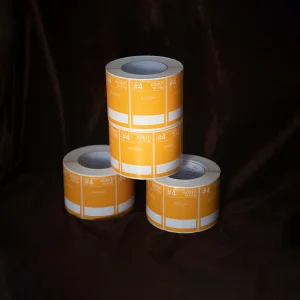
China Affordable and Printer-Friendly Paper-Based Labels Product, Products
-
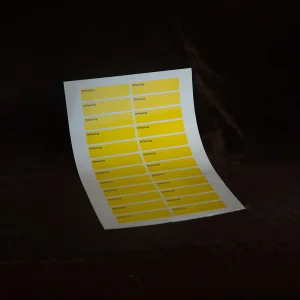
Custom Heat-Resistant Polyimide (PI) Adhesive Labels Manufacturers
-
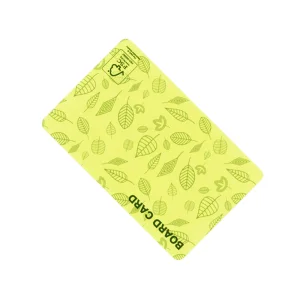
High-Quality Luxury Premium Paperboard Cards Company, Products
-
-

-
Custom Adhesive Labels Heavy-Duty Thick Backing Paper Company
-
-
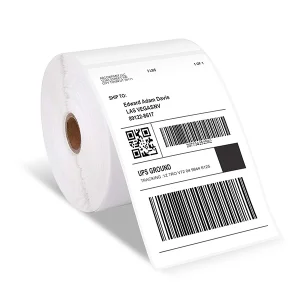
High-Quality Heat-Resistant Thermal Paper Adhesive Labels Factory