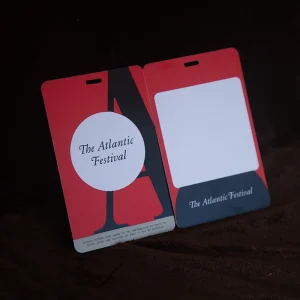
High-Performance Substrates & Custom Labeling Solutions
Direct factory production engineered for high UV resistance, extreme temperature stability, and compliance with global industrial procurement standards.
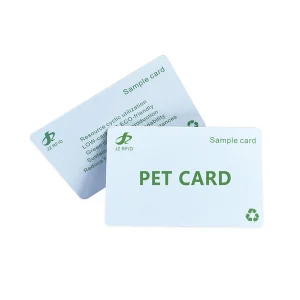
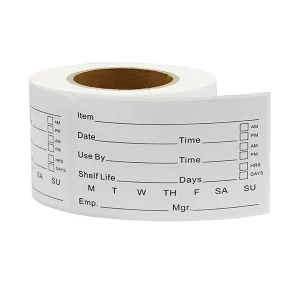
Custom Low Temperature Resistant Freezer Adhesive Labels Manufacturers, Factories
View Product Specifications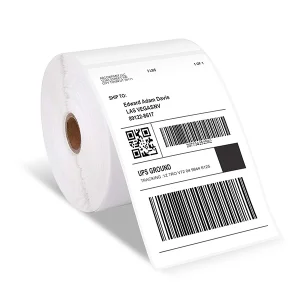
High-Quality Heat-Resistant Thermal Paper Adhesive Labels Factory, Company
View Product Specifications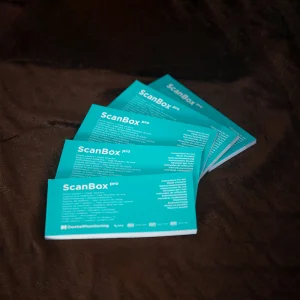
China Detailed Booklet-Style Instruction Manuals for equipment or products Company, Products
View Product Specifications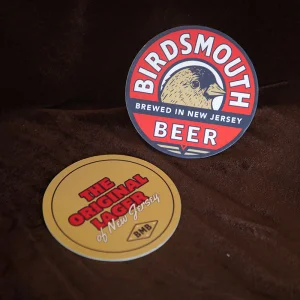
High-Quality Durable Beverage Coasters with Custom Branding Options Factory, Product
View Product Specifications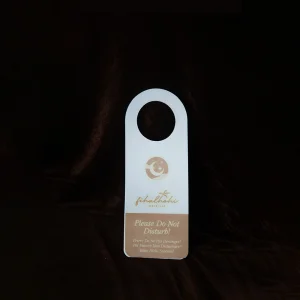
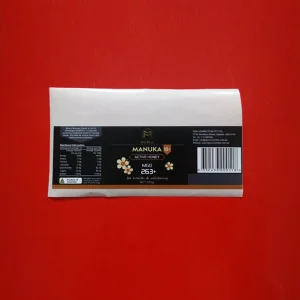

Custom Weatherproof, Affordable and Reliable PVC Adhesive Labels Company, Product
View Product SpecificationsMacro Demand Trends in Global Architectural & Outdoor Signage Sourcing
Surging Outdoor Infrastructure
Global urban expansion, smart city initiatives, and industrial logistics hub growth drive structural demand for long-life outdoor directional sign boards, tactile braille accessibility plates, and heavy-duty polymer nameplates.
Climatic Extremes & UV Resilience
Legacy signage substrates fail prematurely due to high solar radiation, thermal expansion shifts, and aggressive chemical washing. Modern enterprise buyers require co-extruded ABS and specialized UV-inhibited face polymers.
Supply Chain Consolidation
Tier-1 OEM buyers are moving away from fragmented regional vendors toward integrated manufacturing partners capable of delivering raw polymer sheets, precision laser CNC cutting, screen printing, and certified green packaging.
In the global procurement landscape for industrial and architectural signage, navigating material physics and supply chain reliability is paramount. As multi-national enterprises scale operations across diverse climate zones—from sub-zero cold-chain facilities to arid desert installations—the demand for a verified China Sign Board Outdoor Factory & Company with end-to-end manufacturing capability has grown exponentially.
Historically, commercial signage buyers faced a trade-off between structural longevity and cost-efficiency. Low-cost substrate options suffered from rapid photo-degradation, micro-cracking, and adhesive shear failure when exposed to solar ultraviolet rays and moisture intrusion. Today, advanced OEM production lines in Xiamen, Fujian—anchored by pioneer manufacturers such as Xiamen Lianhua Printing Co., Ltd. (established in February 1992)—have redefined industry benchmarks by integrating high-precision polymer extrusion, co-extruded acrylic cap capping, and automated pressure-sensitive adhesive coating under ISO 9001 quality controls.
ABS Dual-Color Board & Outdoor Polymer Engineering Blueprint
Outdoor sign boards rely heavily on engineered thermoplastic composites. Among these, ABS (Acrylonitrile Butadiene Styrene) Dual-Color Plates represent the benchmark standard for high-contrast rotary and laser engraving applications. Understanding the molecular architecture of these plates is essential for structural engineers and sourcing officers.
| Material Substrate Class | UV Stability Index | Thermal Deflection Temp (°C) | Adhesive Shear Strength | Target Outdoor Application |
|---|---|---|---|---|
| Outdoor Grade ABS Dual-Color Board | UV-Stabilized (5000+ Hrs) | -40°C to +85°C | High (Acrylic Pressure-Sensitive) | Architectural Signage, Equipment Tags |
| Tactile Braille ABS Signage Board | Grade 4 (ASTM G154) | -30°C to +80°C | Ultra-High Permanent Tack | ADA Accessible Wayfinding, Public Transit |
| PET (Polyethylene Terephthalate) Film | High Chemical Resistance | -40°C to +150°C | Tear-Proof Dielectric Grade | Electrical Insulation, Battery Rating Plates |
| Freezer-Grade Synthetic Polymer | Moisture Impermeable | -55°C to +60°C | Cryogenic Cold Tack Adhesive | Cold Storage Logistics, Biomedical Marking |
| High-Tack Vulcanized Rubber Film | Oil & Solvent Resistant | -20°C to +110°C | Aggressive Viscoelastic Bond | Tire Tread Labeling, Curved Rubber Goods |
Co-Extrusion Cap Technology vs. Surface Coating
Standard indoor dual-color ABS sheets use a thin paint spray layer over an ABS core. When used outdoors, thermal cycling causes differential expansion, peeling the top coat. Professional outdoor-grade ABS dual-color boards manufactured in high-capacity China sign board factories utilize continuous co-extrusion technology. A PMMA (acrylic) top layer with organic UV absorbers is chemically fused to the ABS base core during extrusion.
This ensures that rotary CNC routing or CO2 laser ablation cleanly strips the top layer to reveal a crisp, high-contrast core without micro-melting, burring, or color bleeding—even after extended exposure to sunlight and torrential rainfall.
Pressure-Sensitive Adhesive (PSA) Science & Environmental Durability
Tack (Initial Wettability)
The instantaneous grip formed under minimal contact pressure. Critical for high-speed automatic application lines for tire labels, PE flexible films, and rapid-line logistics packaging.
Peel Strength (180° / 90°)
The force required to peel a bonded label from a substrate. High peel adhesion ensures permanent mounting for outdoor metal equipment plates and tamper-evident asset tags.
Shear Resistance (Holding Power)
The internal cohesive strength preventing label movement under constant mechanical strain. High shear prevents adhesive oozing and edge-lifting on vertical outdoor signage.
Selecting the wrong adhesive system leads to catastrophic field failures—such as sign boards detaching from building facades, freezer labels popping off in cold distribution centers, or wire wraps flagging off low-energy plastic cables. A certified manufacturing facility evaluates surface energy (measured in dynes/cm) of the target substrate prior to recommending acrylic solvent, hot-melt, or rubber-based adhesive systems.
Xiamen Lianhua Printing Co., Ltd. — Est. 1992
Over 30 years of continuous operational excellence in custom label printing, ABS Dual-Color board production, ticket cards, and multi-page technical manual binding.
Located in Siming District, Xiamen, China (No. 932 Tower CuO Road), Xiamen Lianhua Printing Co., Ltd. operates state-of-the-art automated flexographic, rotary offset, screen printing, and CNC converting equipment. We serve global B2B procurement leaders across North America, Europe, the Middle East, and Asia-Pacific. From green purchasing compliance to custom die-cutting and export documentation, our engineers deliver true turnkey OEM/ODM solutions.
Global Procurement Checklist & Regulatory Compliance
Green Sourcing & Chemical Standards
International regulatory environments mandate strict compliance for printed items and structural sign plates. Our production adheres to RoHS 3 (EU 2015/863) and REACH SVHC standards, eliminating hazardous phthalates, heavy metals, and halogenated flame retardants.
Quality Assurance & Batch Consistency
Every production batch undergoes spectrophotometric color checking (Delta E < 1.0), adhesion peel testing, UV aging chamber acceleration tests, and dimensional tolerance checks to ensure flawless line integration at customer assembly plants.
5-Step B2B Custom OEM/ODM Production Workflow
- Step 1: Engineering Review & DFM Analysis: Customer artwork (AI, CDR, CAD, PDF) is evaluated for material compatibility, bleeds, and die-cut feasibility.
- Step 2: Substrate & Adhesive Formulation: Matching face stock (ABS, PET, PC, Paperboard) with optimized backing release paper and adhesive systems.
- Step 3: High-Precision Printing & Converting: Multi-color rotary printing, UV varnish curing, lamination, laser cutting, or rotary die-cutting.
- Step 4: Quality Inspection & QC Certification: Automated optical inspection (AOI) checking for ink consistency, registration accuracy, and adhesive coat weight.
- Step 5: Export Packaging & Global Logistics: Moisture-proof shrink wrapping, heavy-duty corrugated outer cartons, and sea/air freight documentation.
Future Outlook (2025–2030): Next-Gen Smart Signage & Sustainable Materials
The global signage and industrial printing ecosystem is undergoing rapid technological convergence. The next decade will be defined by three critical vectors:
1. Circular Economy Polymers & Recyclable PET/PC Substrates
Brand owners are actively phasing out un-recyclable composite plastics. Future outdoor sign boards and ticket cards will increasingly utilize post-consumer recycled (PCR) PET and bio-based polycarbonates. These materials offer identical tensile strength and thermal resistance while reducing scope 3 carbon emissions by up to 45%.
2. RFID & IoT-Embedded Industrial Labeling
Industrial labels are evolving from passive visual identifiers into active data nodes. Integrating ultra-thin RFID inlays directly between the face film and backing liner allows real-time asset tracking in logistics, automated inventory audits in cold-chain warehouses, and digital tamper verification for premium luxury cards.
3. Photovoltaic-Assisted Outdoor Architectural Displays
Emerging outdoor ABS and composite sign boards are incorporating nano-thin luminescent layers and solar-harvesting films, enabling self-illuminating emergency wayfinding signs without requiring external electrical wiring.
Frequently Asked Questions by Global B2B Buyers
Clear answers to procurement, engineering, material selection, and factory customization questions.
Is Xiamen Lianhua Printing Co., Ltd. a direct manufacturing factory or a trading company?
What makes Outdoor Grade ABS Dual-Color Board superior for external architectural signage?
Are your printed label and sign board materials RoHS and REACH compliant?
How do I select between tack, peel strength, and shear strength for my label application?
What technical parameters are required to receive an accurate, customized OEM quote?
Explore Additional Industrial Printing & Sign Board Solutions
High-durability labeling, insulation paper, heavy-duty backing materials, and custom-printed cards manufactured to exact B2B specifications.
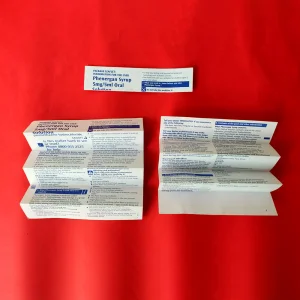
Custom Multi-Panel Folded Instruction Manuals for Product Manufacturers, Factories
View Product Specifications
Buy Tear-Proof PET Electrical Insulation Paper (Polyester Film) Manufacturer, Products
View Product Specifications
Custom Adhesive Labels with Heavy-Duty Thick Backing Paper Company, Companies
View Product Specifications
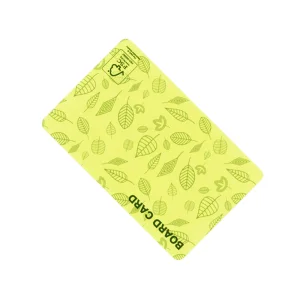
High-Quality Luxury Premium Paperboard Cards for Business Branding Company, Products
View Product Specifications