
Featured Industrial & Engineered Component Products
Explore integrated high-temperature substrates, ticket cards, ABS plates, and specialized adhesive labels manufactured to strict RoHS, REACH, and ISO quality specifications.

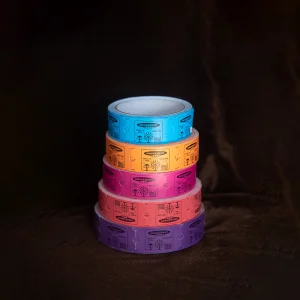
High-Quality Instant-Print Thermal Paper Tickets for Customizable Event or Service Factories
View Details & Spec Sheet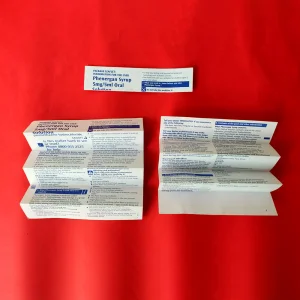
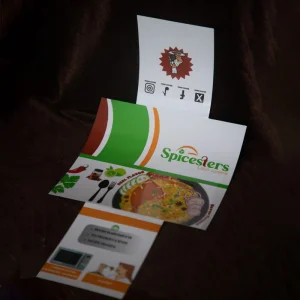
Custom Multi-Panel Folded Instruction Manuals for Product Manufacturers, Factories
View Details & Spec Sheet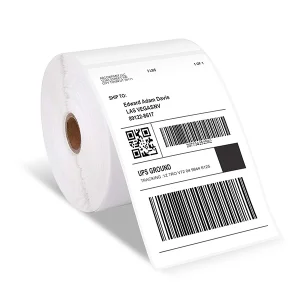
High-Quality Heat-Resistant Thermal Paper Adhesive Labels Factory, Company
View Details & Spec Sheet
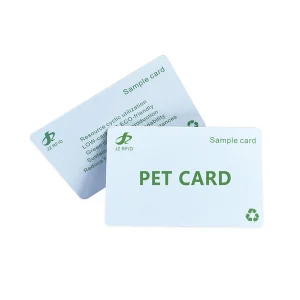
High-Quality Luxury Premium Paperboard Cards for Business Branding Company, Products
View Details & Spec Sheet

Global Industrial Landscape & Fundamental Science of Silicone Gaskets
In the modern manufacturing ecosystem, sealing integrity represents the critical barrier between operational reliability and catastrophic field failure. Silicone gaskets—synthesized from inorganic silicon-oxygen backbone chains—have become irreplaceable across critical applications requiring ultra-broad thermal endurance, chemical inertness, and superior elastic memory.
Polydimethylsiloxane (PDMS) Molecular Backbone
Unlike organic rubbers with carbon-carbon backbones vulnerable to thermal breakdown and ozone cracking, silicone elastomeric gaskets rely on high-energy Si-O bonds (452 kJ/mol). This atomic architecture grants exceptional resistance to UV radiation, oxygen weathering, and severe dielectric stresses across temperatures ranging from -60°C to +250°C (-76°F to +482°F).
Platinum vs. Peroxide Vulcanization Dynamics
Premium OEM applications utilize Platinum-Cured Liquid Silicone Rubber (LSR) over traditional peroxide curing. Platinum catalysis eliminates toxic volatile organic byproducts, ensuring non-blooming surfaces, zero extractable residue, superior tensile elongation, and compliance with stringent FDA 21 CFR 177.2600 and ISO 10993 biological standards.
Compression Set & Elasticity Recovery
The primary benchmark of seal longevity is Compression Set (measured under ASTM D395 Method B). High-performance silicone gaskets demonstrate compression set values below 15% at 175°C after 22 hours, maintaining constant sealing force against mating surfaces under dynamic vibration, thermal cycling, and continuous bolt loading.
Key Technological & Material Trends Reshaping the Industry
Driven by the rapid transition toward Electric Vehicles (EVs), miniaturized 5G/6G telecommunications infrastructure, and automated industrial smart factories, silicone gasket technology is undergoing a major shift toward high-functionality polymer formulations.
1. Thermally Conductive & Heat Dissipating Silicone Gaskets
Modern battery management systems (BMS) and power electronics produce unprecedented heat flux densities. Advanced silicone gaskets are now compounded with specialized ceramic fillers (such as Aluminum Oxide Al₂O₃, Boron Nitride BN, or Silicon Carbide) to achieve thermal conductivity values from 1.5 W/m·K up to 12.0 W/m·K while preserving electrical isolation. This dual functionality protects battery modules against thermal runaway while providing airtight environmental sealing.
2. EMI / RFI Shielding Elastomeric Gaskets
With high-frequency 5G mmWave antennas and high-voltage EV power inverters operating in tight spaces, electromagnetic interference (EMI) mitigation is critical. Conductive silicone gaskets—embedded with microscopic nickel-graphite particles, silver-plated copper, or silver-coated aluminum spheres—provide up to 100 dB shielding effectiveness from 20 MHz to 10 GHz while delivering IP67 liquid ingress seals.
3. Automated Form-in-Place (FIPG) & Liquid Injection
Traditional die-cut gaskets are increasingly being replaced by 6-axis robotic automated dispensing of Liquid Silicone Rubber (FIPG/CIPG). Micro-dispensing allows gasket bead widths as small as 0.5mm directly onto complex, multi-planar electronic housings. This eliminates material scrap, speeds up cycle times, and provides seamless 360-degree corner sealing without join lines.
4. Fluorosilicone (FVMQ) Fuel & Solvent Resistance
Standard methyl-vinyl silicone (VMQ) swells when exposed to non-polar fuels, synthetic oils, and aromatic hydrocarbons. Fluorosilicone (FVMQ)—incorporating trifluoropropyl side groups—combines the wide thermal flexibility of silicone with the aggressive chemical resistance of fluoroelastomers (FKM), making it the gold standard for aerospace fuel lines, turbocharger seals, and defense hardware.
Global Enterprise Sourcing Demands & Quality Metrics
When Tier-1 global buyers and OEMs source silicone gaskets from overseas partners, purchasing decisions extend far beyond unit cost. Stringent international regulatory frameworks, zero-defect quality control, and verified material traceability are mandatory prerequisites.
Regulatory Compliance Matrix
Global enterprises demand rigorous compliance verification. Premier Chinese silicone gasket manufacturers maintain audited certifications for:
- RoHS 3 (EU 2015/863): Zero heavy metals or restricted phthalates.
- REACH SVHC: Compliance with candidate list substances of high concern.
- FDA 21 CFR 177.2600: Rubber articles intended for repeated food contact.
- UL 94-V0 / V-1: Self-extinguishing flame retardancy ratings for electronics.
- ISO 10993: Medical biological compatibility & cytotoxicity evaluation.
Advanced Quality Planning (APQP & PPAP)
Automotive and aerospace sourcing requires full compliance with IATF 16949 quality management systems. Factories must provide standardized Production Part Approval Process (PPAP Level 3) packages, including Failure Mode and Effects Analysis (FMEA), Control Plans, Gauge R&R studies, and dimensional inspection reports generated via Automated Optical Inspection (AOI).
Outgassing Control for Sensitive Optics
In aerospace, satellite, and high-precision laser assemblies, standard silicone can release volatile siloxanes that condense on sensitive lenses and sensor arrays. Procurement specifications mandate low-outgassing silicone compliant with ASTM E595 standards (Total Mass Loss TML < 1.0%, Collected Volatile Condensable Material CVCM < 0.1%).
China Industry 4.0: Supply Chain Resilience & Efficiency Advantages
The competitive strength of China's silicone gasket manufacturing ecosystem lies in the fusion of raw material supply integration, ultra-fast rapid tooling, high-precision automated mold technology, and robust logistics infrastructure.
Upstream Siloxane Synthesis Integration
China accounts for over 65% of global organosilicon monomer production capacity. Direct integration with domestic silicone polymer producers ensures stable raw material pricing, guaranteed resin supply, and reduced lead times even during global supply chain disruptions.
5-Axis CNC Tooling Speed
Utilizing high-speed 5-axis CNC machining centers and wire EDM mold making, custom silicone gasket compression and liquid injection molds can be designed, fabricated, and validated with initial prototype samples delivered within 3 to 7 business days.
Automated Optical Inspection (AOI)
To eliminate manual inspection bottlenecks, automated vision inspection systems measure critical dimensions, flash thickness, and micro-void defects on 100% of finished silicone gaskets at line speeds exceeding 300 parts per minute.
Export Packing & Labeling Synergy
From custom pressure-sensitive protective backing release paper to cleanroom anti-static vacuum packaging and barcoded master cartons, Chinese export hubs like Xiamen provide seamless end-to-end delivery tailored to international customs standards.
Localized Application Scenarios & Technical Selection Guide
Selecting the optimum silicone gasket formulation requires balancing shore hardness durometer, operating environment exposure, ingress rating requirements, and mechanical stress profile.
| Silicone Elastomer Type | Temperature Range | Hardness Range | Tensile Strength | Key Performance Feature | Primary Application Scenario |
|---|---|---|---|---|---|
| LSR (Liquid Silicone) | -50°C to +200°C | 10 - 80 Shore A | 8.5 - 11.5 MPa | High precision, ultra-clean, complex 3D geometry | Medical wearables, infant care, optical sensors |
| HTV / HCR (High Consistency) | -60°C to +230°C | 30 - 85 Shore A | 7.0 - 10.0 MPa | High mechanical tear strength, robust load bearing | Automotive engine door seals, industrial gaskets |
| Fluorosilicone (FVMQ) | -60°C to +200°C | 40 - 80 Shore A | 6.5 - 9.5 MPa | Fuel, oil, solvent & chemical splash resistance | Aerospace fuel systems, automotive turbo seals |
| Conductive / EMI Silicone | -55°C to +160°C | 45 - 75 Shore A | 1.8 - 4.5 MPa | >100 dB EMI shielding, low volume resistivity | 5G telecom enclosures, radar systems, military radio |
| Thermal Interface Silicone | -40°C to +180°C | 20 - 60 Shore A | 2.0 - 5.0 MPa | 1.5 – 12 W/m·K thermal conductivity, electrical isolation | EV battery module packs, CPU heat sinks, power supplies |
Scenario A: Electric Vehicle Battery Enclosure Sealing
EV battery packs require large-perimeter gaskets capable of sealing against water ingress during road submersion (IP69K) while allowing pressure equalizing venting. Precision die-cut flame-retardant (UL 94-V0) silicone foam and solid LSR perimeter seals prevent water ingress and thermal runaway propagation between adjacent battery cells.
Scenario B: Medical Wearable Diagnostic & Fluidic Devices
In medical diagnostic cartridges and wearable glucose monitors, liquid silicone rubber (LSR) gaskets overmolded directly onto PC/PBT plastic housings eliminate secondary assembly operations. Platinum-cured medical-grade silicone ensures biostability, zero skin irritation, and resistance to repeated gamma-ray or autoclave sterilization cycles.
Frequently Asked Engineering & Sourcing Questions (FAQ)
Detailed technical insights provided by senior polymer engineers to assist design teams and international procurement officers.
How do I select the right Shore A durometer hardness for my custom silicone gasket?
Selecting the optimal Shore A hardness depends on the available flange bolt clamping force, surface roughness of the mating flange, and operating internal pressure:
30 - 40 Shore A (Soft): Ideal for low bolt torque applications, plastic or thin sheet-metal enclosures vulnerable to distortion, and irregular flange surfaces requiring maximum conformability.
50 - 60 Shore A (Medium Standard): The universal benchmark for industrial sealing. Balances excellent tensile resilience, easy handling during assembly, and reliable compression set recovery.
70 - 80 Shore A (Hard): Recommended for high-pressure fluid lines, heavy metallic bolted flanges, and applications subjected to severe mechanical shear forces or high pulse pressures.
What is the difference between Liquid Silicone Rubber (LSR) and High-Consistency Rubber (HCR) gaskets?
LSR (Liquid Silicone Rubber): Supplied as a two-component liquid compound (A:B 1:1 ratio) with low viscosity. It is injected into heated molds via automated Liquid Injection Molding (LIM). LSR offers ultra-fast cycle times (15 to 45 seconds), complex micro-geometry molding capabilities, flashless tooling tolerances, and exceptional purity (platinum cured).
HCR (High-Consistency Rubber): Supplied as high-viscosity clay-like raw gum stocks processed via compression molding, transfer molding, or continuous extrusion. HCR provides higher tear resistance, greater material density, and cost advantages for short runs or thick industrial gaskets, but requires longer cure cycles and manual flash trimming.
Which Pressure-Sensitive Adhesive (PSA) backings can be laminated onto silicone gaskets?
Because silicone elastomers possess extremely low surface energy, standard acrylic adhesives will not bond to silicone without specialized surface primers. Standard adhesive options include:
Silicone-Based PSAs (e.g., 3M 9119 / 3M 96042): Features pure silicone adhesive that bonds permanently to silicone substrates across extreme temperatures (-40°C to +200°C).
Differential Acrylic/Silicone Tapes (e.g., 3M 9731): Features silicone adhesive on one side (to bond to the gasket) and high-tack acrylic adhesive on the opposite side (to bond to metal or plastic housing surfaces during assembly).
How does Fluorosilicone (FVMQ) compare with standard Silicone (VMQ) in chemical exposure?
Standard methyl-vinyl silicone (VMQ) excels in hot air, water, and steam, but swells rapidly and loses structural integrity when exposed to non-polar solvents, gasoline, diesel, jet fuel, and mineral oils. Fluorosilicone (FVMQ) incorporates trifluoropropyl fluorinated side chains that repel hydrocarbon fuels and non-polar solvents while maintaining flexibility down to -60°C. FVMQ is specified in automotive fuel systems, engine oil sumps, and aerospace fuel cell seals.
What mold lead times and MOQ requirements are standard when ordering from China?
Leveraging automated 5-axis CNC machining centers, prototype molds for custom die-cut or injection molded gaskets typically require 3 to 5 business days, with production tooling completed within 10 to 14 days. Minimum Order Quantities (MOQs) depend on part size and material complexity—ranging from 500 units for large custom molded seals to 5,000+ units for precision die-cut micro gaskets. Rapid sampling kits and material test slabs can be dispatched via international express within 48 hours of design approval.
Specialized Adhesive Labels, Cards & Packaging Materials
Complete your product manufacturing ecosystem with high-tack, low-temperature, heat-resistant, and anti-curl adhesive label materials produced under ISO-certified quality controls.
Buy Standard General Admission Tickets and Airline Tickets Manufacturers, Factories
View Details & Spec Sheet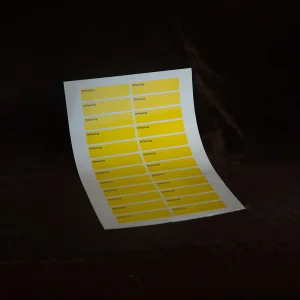
Custom Heat-Resistant Polyimide (PI) Adhesive Labels Manufacturers, Product
View Details & Spec Sheet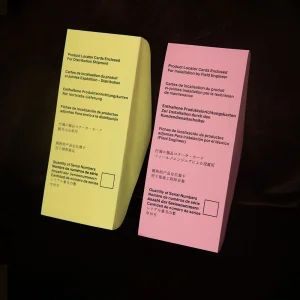
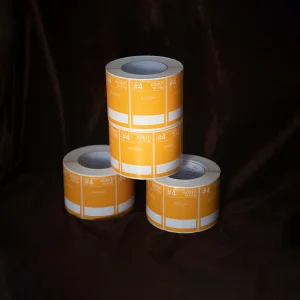
China Affordable and Printer-Friendly Paper-Based Labels Product, Products
View Details & Spec Sheet
High-Quality Adhesive Labels with Anti-Curl and Moisture-Resistant Sealed Backing Paper Factory, Product
View Details & Spec Sheet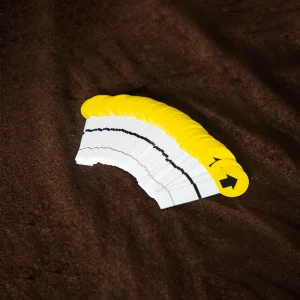
High-Quality Durable and versatile PET Adhesive Labels Manufacturers, Product
View Details & Spec Sheet
High-Quality Durable Paper Hangers for Clothing Display Companies, Product
View Details & Spec Sheet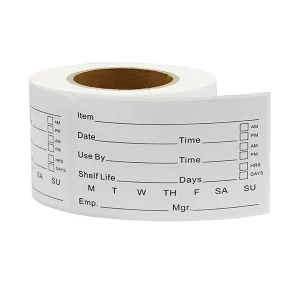
Custom Low Temperature Resistant Freezer Adhesive Labels Manufacturers, Factories
View Details & Spec SheetPartner with China's Premier Precision Sealing & Printing Specialists
Whether you require custom Liquid Silicone Rubber (LSR) micro-gaskets, thermal interface material die-cuts, ABS dual-color engraved control plates, or high-tack industrial labels—our engineering team delivers end-to-end OEM/ODM support from design analysis to mass production.