
High-Performance Industrial Products & Sleeves Matrix
Explore our core manufacturing portfolio engineered for heavy-duty packaging, electronic insulation, tire adhesion, and cold-chain resilience under strict ISO and RoHS standards.

China High-Tack Tire Adhesive Labels Manufacturers, Factory

Custom Adhesive Labels with Heavy-Duty Thick Backing Paper Company
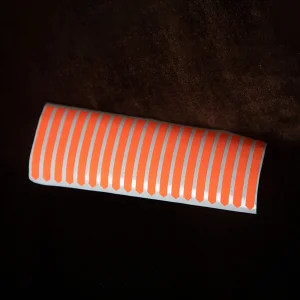
Buy High-Strength Double-Coated Adhesive Labels Manufacturer
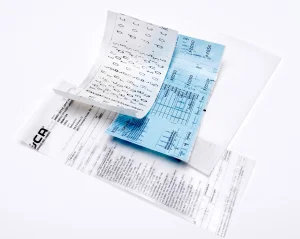
Buy Tear-Proof PET Electrical Insulation Paper (Polyester Film)
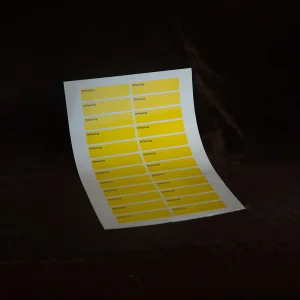
Custom Heat-Resistant Polyimide (PI) Adhesive Labels Manufacturers
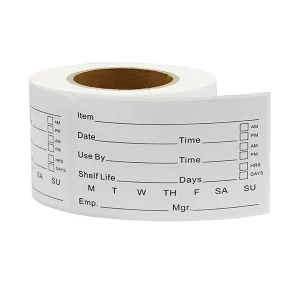
Custom Low Temperature Resistant Freezer Adhesive Labels
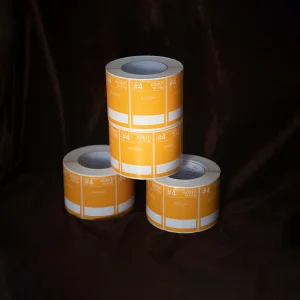
China Affordable and Printer-Friendly Paper-Based Labels

Custom Tactile Braille Signage on Premium ABS Board
Global Commercial Landscape & The Industrial Dominance of China Sleeve Package Factories
Sleeve packaging has evolved from a simple protective secondary wrap into a high-precision engineering medium essential for fast-moving consumer goods (FMCG), pharmaceuticals, automotive components, and industrial logistics. China's manufacturing clusters lead this global transformation through advanced material science and high-speed rotary converting systems.
Global Market Dynamics
The global shrink sleeve and packaging band market is projected to expand at a CAGR exceeding 6.4% over the next decade. Demand is heavily driven by 360-degree display aesthetics, tamper-evident security mandates, and high-speed automated sleeving application lines operating up to 600 units per minute.
China's Supply Chain Edge
Tier-1 Chinese factories leverage vertical supply chain integration—from resin synthesis (PETG, OPS, PLA) to high-definition electronic gravure printing and inline seaming. This eliminates middleman markups while providing global brand owners with unprecedented cost-to-performance ratios.
Regulatory Compliance
Leading Chinese sleeve packaging manufacturers operate fully aligned with strict Western regulatory frameworks, including EU REACH SVHC lists, US FDA food-contact standards, RoHS hazardous substance restrictions, and ISO 9001:2015 quality assurance protocols.
Information Gain Insight: The Physics of High-Speed Shrink Seaming
Modern automated packaging lines require zero-defect solvent-seamed sleeves. A variance of even 0.2mm in layflat width can cause line jams in high-speed applicator mandrels. Chinese specialized factories utilize real-time laser ultrasonic width monitor systems during seam formation, keeping layflat tolerances strictly within ±0.3mm across multi-thousand-meter rolls.
Polymer Substrate Roadmap & Converting Physics
Selecting the right substrate requires a deep understanding of Transverse Direction (TD) shrinkage, Machine Direction (MD) tensile stability, density specs, and thermal tunnel performance.
| Substrate Material | TD Shrink Ratio (%) | MD Shrink Ratio (%) | Density (g/cm³) | Primary Industrial Application | Sustainability / Recyclability |
|---|---|---|---|---|---|
| PETG (Polyethylene Terephthalate Glycol) | up to 78% | < 3% | 1.33 | Complex high-contour bottles, F&B, Pharmaceuticals | Standard mechanical recycling, PET flake compatible |
| OPS (Oriented Polystyrene) | 68% - 73% | < 5% | 1.05 | Squeeze containers, thin-walled deli cups, quiet-squeeze sleeves | Lightweighting champion, circular PS streams |
| PVC (Polyvinyl Chloride) | 50% - 65% | < 4% | 1.38 | Battery wraps, tamper-evident neck bands, general packaging | Economical; regional regulatory restrictions apply |
| PLA (Polylactic Acid Bio-Polymer) | 70% - 75% | < 5% | 1.25 | Eco-conscious brand packaging, organic product bands | 100% Industrially compostable (EN 13432 compliant) |
| Heavy-Duty Synthetic (Polyolefin/PET Film) | N/A (Rigid/Flexible) | High Tensile | 1.10 - 1.40 | Tire labeling, electrical insulation, high-tack wraps | Extremely durable, tear-proof industrial use |
Shrink Dynamics & Distortion Calibration
When applying a 360-degree shrink sleeve to asymmetric container geometries, original artwork undergoes localized physical compression. China sleeve package factories utilize 3D pre-distortion simulation software. This mathematically distorts the raw graphics before gravure cylinder engraving so that post-thermal-shrink graphics appear perfectly proportionate with zero text warping.
Surface Energy & Ink Anchorage (Dyne Levels)
Proper ink keying on smooth polymer films requires precise surface treatment. Premium sleeve factories maintain film surface tension at ≥ 42 dynes/cm via inline corona treatment prior to high-speed flexo or rotogravure printing. This guarantees high rub resistance and prevents ink flaking during high-humidity steam tunnel shrink processes.
Localized Application Scenarios & Sector Solutions
Different industries demand distinct physical characteristics—from sub-zero adhesive stability in frozen food logistics to high-temperature resistance in electronic component manufacturing.
Food & Beverage Container Sleeving
Custom-printed sleeves for food containers must deliver moisture resistance, barrier protection against UV light, and full compliance with direct or indirect food safety guidelines. High-speed steam tunnel shrinkage ensures full-body coverage over complex glass or PET bottle shapes.
- High thermal stability in steam tunnels
- Low-migration UV flexo inks
- Micro-perforations for easy tear-away caps
Automotive & High-Tack Rubber Applications
Tire surfaces and vulcanized rubber present low surface energy and oily residues. Specialized tire labels utilize aggressive hot-melt or solvent acrylic adhesives paired with heavy aluminum barrier interlayers to prevent rubber stain migration.
- Adhesion tack over 25 N/25mm on raw tread
- Stain-blocking aluminum foil barrier layer
- Extreme resistance to outdoor weather and UV
Electronics & Electrical Insulation
For high-performance electronics, Polyimide (PI) and tear-proof PET insulating papers provide thermal endurance up to 300°C during SMT reflow soldering processes, protecting circuitry without outgassing or shrinking prematurely.
- Dielectric breakdown strength up to 7 kV
- Polyimide (PI) heat resistance for PCB assembly
- Halogen-free & Flame retardant UL94 V-0 options
Cold-Chain Logistics & Freezer Operations
Sub-zero packaging demands engineered acrylic pressure-sensitive adhesives that maintain glass transition temperatures (Tg) far below freezing point (-40°C), avoiding label pop-off on frosted ice-cream tubs or medical blood bags.
- Application temp down to -20°C, service temp to -50°C
- Moisture-resistant synthetic paper facestocks
- No edge lifting on frozen polyethylene surfaces
Retail Apparel & Eco Display Hangers
As global brands transition away from single-use plastics, heavy-duty rigid paperboard hangers and cardboard paper sleeves offer plastic-free alternatives for socks, underwear, and apparel packaging.
- High burst-strength multi-ply paperboard
- FSC-certified sustainable forest fibers
- Direct high-speed offset printing & foil stamping
Architectural & Tactile ABS Signage
Multi-layer dual-color ABS boards combine crisp laser/rotary engraving capabilities with raised tactile characters and ADA-compliant braille dots for institutional and industrial wayfinding.
- UV-stabilized cap layers for long outdoor life
- High mechanical impact strength
- Precision chemical bonding to indoor/outdoor surfaces
Inside a Lead China Sleeve Package Factory Ecosystem
Achieving continuous high-yield production requires advanced converting machinery, strict environmental controls, and automated optical inspection systems.
Automated Optical Inspection (AOI)
High-speed 4K line-scan camera inspection systems operate inline on gravure and flexo printing presses. Every millimeter of web output is continuously scanned against the approved master digital proof, automatically detecting registration drifts, color variations (ΔE > 1.0), solvent streaks, or micro-pinholes before roll slitting.
Controlled Solvent Seaming Architecture
Seaming flat sleeve film into continuous tubular rolls requires precise dispensing of solvent formulas (such as Tetrahydrofuran/Acetone blends). Automated sleeve seamers control needle flow rates proportional to web speed, forming a homogeneous molecular weld without seam brittleness or excess solvent residue.
Macro Industry Trends & Next-Gen Sustainable Innovations
The global packaging converting sector is undergoing a rapid paradigm shift centered around eco-design, plastic reduction, smart tracking, and intelligent connectivity.
1. Wash-Off & De-Seaming Sleeve Inks
To enable 100% bottle-to-bottle recycling of PET containers, next-generation shrink sleeves utilize wash-off ink systems and floatable polyolefin substrates. During warm caustic wash cycles at recycling facilities, the sleeve ink releases cleanly without contaminating the clear PET flake stream.
2. Linerless Label & Sleeve Conversion
Eliminating silicone release liners reduces landfilled solid waste by up to 40%. Direct thermal and synthetic paper linerless rolls represent the fastest-growing sector in industrial logistics, cold-chain labeling, and e-commerce packaging bands.
3. Integrated Smart RFID/NFC Sleeves
High-speed sleeve application lines now integrate ultra-thin RFID inlay antennas directly between film layers. This grants enterprise brands 100% item-level supply chain visibility, anti-counterfeiting verification, and automated warehouse inventory control.
Specialized Packaging & Labeling Products
Complete your global procurement requirements with our certified ticket cards, instruction booklets, translucent liner papers, and eco-friendly PET card stocks.
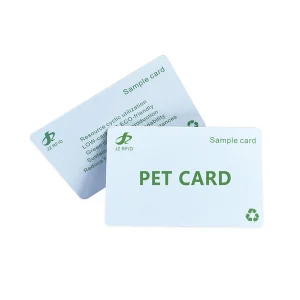
Buy Recyclable Eco-Friendly PET Cards Product
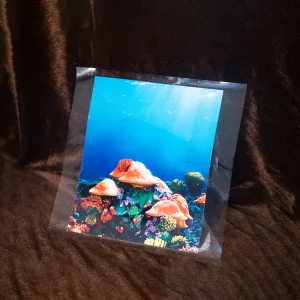
High-Quality Adhesive Labels with High-Translucency Backing Paper
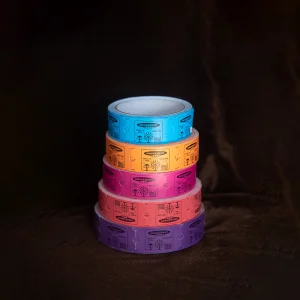
Buy Standard General Admission Tickets and Airline Tickets

China Detailed Booklet-Style Instruction Manuals for Equipment

China High-Durability Flexible PVC Cards Manufacturers
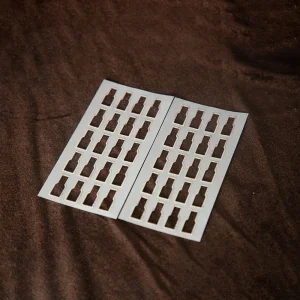
Custom Durable Synthetic Paper Adhesive Labels Manufacturers

High-Quality Durable Paper Hangers for Clothing Display
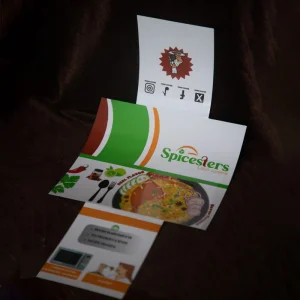
Buy Custom-Printed Sleeves for Food Container Factory
Step-by-Step OEM/ODM Procurement & Sourcing Process
Standard operating procedure for global buyers interfacing with China sleeve packaging manufacturers to ensure rapid prototyping and zero-defect mass production runs.
Spec Definition
Submission of container CAD files, target surface dyne levels, shrink tunnel profiles, and artwork vector files.
Grid Distortion Proofing
Digital grid mapping over 3D container scans to calibrate pre-distortion artwork profiles prior to cylinder engraving.
Pilot Line Testing
Production of sample roll stock or cut sleeves for high-speed mandrel applicator testing at buyer facility.
Mass Conversion & Delivery
High-speed rotary gravure printing, AOI inspection, automated seaming, moisture-sealed palletization, and export shipment.
Frequently Asked Technical Questions (FAQ)
Direct answers from our senior engineering team regarding custom sleeve packaging manufacturing, substrate selection, and international shipping logistics.