
Precision Engineered Products & Manufacturing Portfolio
Examine our certified manufacturing range across customized industrial substrates, medical-grade packaging materials, technical adhesive components, and specialized OEM display solutions.
-
View Product Specs
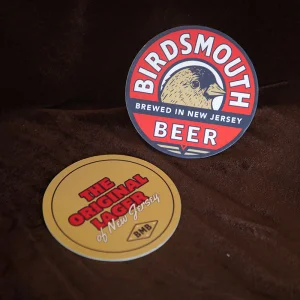
High-Quality Durable Beverage Coasters with Custom Branding Options Factory, Product
-
View Product Specs
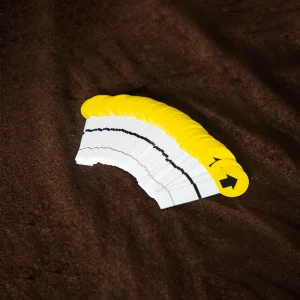
High-Quality Durable and versatile PET Adhesive Labels Manufacturers, Product
-
View Product Specs
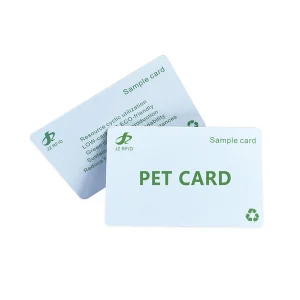
Buy Recyclable Eco-Friendly PET Cards Product, Products
-
View Product Specs
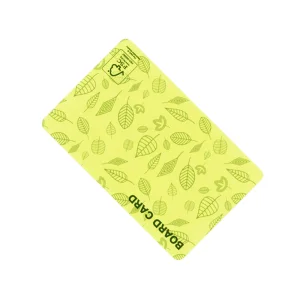
High-Quality Luxury Premium Paperboard Cards for Business Branding Company, Products
-
View Product Specs
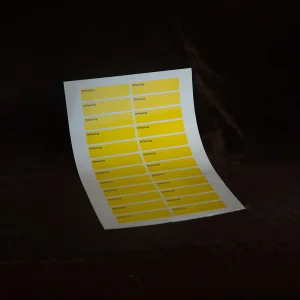
Custom Heat-Resistant Polyimide (PI) Adhesive Labels Manufacturers, Product
-
View Product Specs
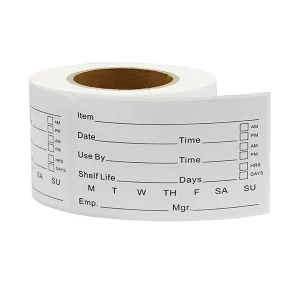
Custom Low Temperature Resistant Freezer Adhesive Labels Manufacturers, Factories
-
View Product Specs
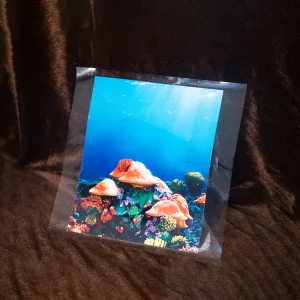
High-Quality Adhesive Labels with High-Translucency Backing Paper Manufacturers, Factories
-
View Product Specs

Custom Outdoor Grade ABS Dual-Color Board Factories, Products
Global Procurement Dynamics for Surgical Gauze & Medical Textiles
Evaluating the evolution of medical cotton manufacturing hubs in China, quality standard shifts across hospital supply chains, and technical criteria governing high-volume B2B contract manufacturing.
The global demand for high-grade medical absorbents and sterile wound care products has transitioned into an era of extreme technical rigor. Procurement directors across international health authorities, tier-1 hospital networks, and medical device distributors face mounting pressures regarding supply chain security, regulatory adherence (such as the EU MDR 2017/745), and micro-linting control in operating environments. As the world's primary ecosystem for medical textile refining and high-speed weaving, a dedicated China Surgical Gauze Manufacturer provides critical industrial capacity, linking agricultural cotton purity with Class 100,000 cleanroom converting infrastructure.
China's specialized medical textile industrial clusters—primarily anchored in Hubei, Fujian, and Zhejiang provinces—integrate vertical supply networks spanning ginning, scouring, hydrogen peroxide bleaching, automated weaving, folding, radiopaque monofilament insertion, and industrial Ethylene Oxide (EO) or Gamma sterilization. Understanding how to select, audit, and partner with a top-tier surgical gauze factory requires an in-depth analysis of material yarn counts, bio-burden limits, tensile strengths, and automated optical sorting capabilities.
Regulatory Compliance
Strict adherence to USP Type VII, BP 1993, EP 4th Edition, ISO 13485:2016 management systems, and US FDA 510(k) establishment registration numbers.
Automated Cleanroom Converting
High-speed mechanical folding (French & American folds) executed inside ISO Class 8 cleanrooms to eliminate human contact contamination.
X-Ray Detectability Science
Heat-bonded or woven Barium Sulfate (BaSO4) monofilaments (min 55% concentration) preventing accidental surgical retention in body cavities.
Pharmacopoeia Standard Comparison & Technical Parameters
Rigorous quantitative metrics defining thread counts, absorption velocity, extractable matters, and yarn grading across major medical textile specifications.
| Parameter / Standard | USP Type VII Standard | European Pharmacopoeia (EP) | China YY/T 0331 Standard | Advanced OEM Spec (Lianhua) |
|---|---|---|---|---|
| Raw Material Composition | 100% Purified Cotton | 100% Degreased Cotton Fibers | 100% Natural Absorbent Cotton | Long-Staple Bleached Cotton |
| Yarn Count (Ne) | 20s, 32s, or 40s | 40s, 32s, 21s | 40s x 40s / 32s x 32s | 40s High-Tensile Combed |
| Mesh Density (Threads/cm²) | 13, 17, 20 threads | 13, 17, 20, 24 threads | 13, 17, 20 threads | Custom 10 to 30 Threads/cm² |
| Absorbency Sinking Time | < 10 seconds | < 10 seconds | < 10 seconds | Ultra-Fast (< 3.5 seconds) |
| Water Retentivity (g/g) | ≥ 4.0 g/g | ≥ 5.0 g/g | ≥ 4.5 g/g | ≥ 6.2 g/g Capacity |
| Fluorescence Test | Pass (No bright stain) | Pass (Zero optical brighteners) | Pass (No fluorescence) | 100% Non-Fluorescent Certified |
| Ether Soluble Substances | < 0.50% | < 0.40% | < 0.50% | < 0.25% Ultra-Clean |
| Sterilization Standard | Sterile or Non-Sterile | EN 556-1 Standard | GB 18279 / YY 0267 | EO / Gamma (SAL 10⁻⁶ Verified) |
Critical Quality Assurance Factors for B2B Procurement
When sourcing surgical gauze sponges, lap sponges, and abdominal drainage dressings from China factories, procurement managers must look beyond surface price per pack. The underlying cost structure is governed by staple cotton fiber lengths, starching agents used during warp beam setup, and the intensity of continuous hydrogen peroxide washing. Substandard bleaching processes leave residual acid, surfactants, or lint-generating short fibers that jeopardize patient safety during open invasive surgeries.
Leading Chinese medical textile factories utilize automated bleaching lines equipped with continuous liquid level sensors, high-pressure steam boilers, and online bio-burden monitoring. This ensures that loss on drying remains strictly below 8.0%, surface-active substances do not produce persistent foam, and water-soluble substances are minimized to protect delicate tissue during intraoperative contact.
From Raw Fiber to Sterile Surgical Swab: Factory Workflow
A step-by-step breakdown of how high-purity medical gauze is woven, degreased, cut, folded, radiopaque-tagged, and sterilized under audited OEM control.
Fiber Selection & Combing
Selection of 100% natural long-staple cotton raw material. Impurities, seeds, and short fibers are eliminated using high-precision mechanical combing machines to guarantee yarn tensile integrity.
Eco-Bleaching & Degreasing
Chlorine-free hydrogen peroxide (H2O2) continuous bleaching process. Natural cotton fats and waxes are saponified and rinsed away, rendering the fabric hyper-absorbent with zero toxic residue.
High-Speed Air-Jet Weaving
Weaving under computer-controlled warp tension on shuttleless air-jet looms. Mesh density (e.g., 19x15, 20x12, 26x18 threads per inch) is precisely maintained without yarn distortion.
Cleanroom Folding & Edge Cut
Automated folding into 2x2, 3x3, 4x4 inch swabs or laparotomy sponges inside ISO Class 8 cleanrooms. Edges are folded inward (cut edges folded) to prevent fraying and loose linting during surgical use.
Radiopaque Thread Integration
Heat-welded or woven blue monofilament thread impregnated with 55-60% Barium Sulfate (BaSO4). Fully detectable under intraoperative X-ray fluoroscopy machines.
Packaging & EO Sterilization
Sealing into medical-grade Tyvek or paper/plastic peel pouches, followed by computer-automated Ethylene Oxide (EO) gas chamber sterilization and mandatory 7-day aeration degassing.
Tailored Surgical Textile Categories for Hospital Systems
From specialized abdominal lap sponges to high-speed outpatient sterile dressings, explore how custom Chinese factory lines adapt to diverse medical procedures.
1. Sterile Laparotomy Sponges (Lap Pads)
Engineered for deep cavity surgical operations. Features stitched cotton web loops for secure anatomical holding, washed ultra-soft feel, pre-washed or unwashed options, and 100% radiopaque X-ray markers across all plies.
- Dimensions: 30x30cm, 45x45cm, 30x90cm
- Ply Configurations: 4-ply, 6-ply, 8-ply, 12-ply
- Packaging: 1pc, 2pcs, 5pcs per sterile pouch
2. Folded Gauze Swabs & Gauze Sponges
Standard operative sponges for fluid absorption, wound cleansing, and micro-dressing. Available in both non-sterile bulk packages for OEM re-packing and individual sterile peel pouches for operating theaters.
- Sizes: 5x5cm (2"x2"), 7.5x7.5cm (3"x3"), 10x10cm (4"x4")
- Ply Options: 8-ply, 12-ply, 16-ply, 24-ply folded
- Edges: French fold (zero exposed raw threads)
3. Gauze Rolls & Fluff Bandages
Woven continuous gauze webs rolled or crinkled into fluff bandages. Provides cushioning, protective compression, and rapid drainage absorption for secondary burn management and trauma care.
- Roll Formats: 90cm x 100m, 36" x 100 yards jumbo rolls
- Bandage Widths: 2 inch, 3 inch, 4 inch, 6 inch x 4.5 yards
- Texture: Plain weave or crinkled 6-ply fluff pattern
4. Non-Woven Surgical Dressings (Alternative)
Hybrid viscose/polyester blend non-woven sponges designed for low-adherence, ultra-fast fluid pickup, and cost-efficient clinical wound cleansing without lint liberation.
- Weight: 30gsm, 40gsm, 50gsm spunlace non-woven
- Features: High soft feel, zero lint shedding
- Cost Advantage: 15-25% lower than pure woven cotton
Factory Verification, Quality Assurance & Audit Protocols
How leading Chinese OEM surgical dressing factories manage raw material bio-burden, environmental air particulates, and total batch traceability.
In accordance with the Google Search Quality Rater Guidelines emphasizing Experience, Expertise, Authoritativeness, and Trustworthiness (E-E-A-T), medical product buyers require verifiable proof of a manufacturer's technical control systems. A top-tier China surgical gauze factory implements a full-cycle Quality Management System (QMS) governed by ISO 13485:2016 standards and regular third-party audits by notified bodies such as TÜV SÜD, SGS, or BSI.
1. Microbiological & Bio-Burden Testing Protocols (ISO 11737-1)
Before EO sterilization occurs, initial bio-burden tests are performed on random samples from every production batch. Total viable bacterial count must not exceed 100 CFU/g for non-sterile raw gauze prior to terminal processing. In-house microbiology laboratories conduct incubation cycles at 30°C to 35°C for bacteria and 20°C to 25°C for fungi over 5 to 7 days, guaranteeing that sterilization parameters hit a Sterility Assurance Level (SAL) of 10⁻⁶.
2. Radiopaque Monofilament Tensile & Radiopacity Verification
To eliminate the grave risk of retained surgical sponges (gossypiboma), X-ray threads undergo rigorous radio-opacity testing under ISO 10993 and ASTM F640 standards. Monofilaments are subjected to X-ray exposure alongside aluminum step-wedge calibrated blocks. The barium sulfate distribution must show zero voids along the length of the thread, with a minimum breaking force of 5.0 N to prevent filament detachment during mechanical cavity wiping.
3. Ethylene Oxide (EO) Residual Gas Degassing (ISO 10993-7)
Sterilization using Ethylene Oxide gas requires meticulous aeration protocols to prevent chemical tissue irritation or patient toxicity. Advanced Chinese factories operate dedicated heated aeration chambers maintained at 40°C to 50°C with continuous forced air circulation. Gas chromatography (GC) testing verifies that residual EO concentrations drop below 10 ppm and Ethylene Chlorohydrin (ECH) levels remain under 5 ppm prior to container loading.
International Shipping, Customs Documentation & OEM Branding
Navigating customs clearance, UDI barcode labeling, multi-lingual artwork customization, and sea freight logistics for high-volume enterprise contracts.
Private Label & Packaging Design
Full custom packaging integration including multi-color master cartons, inner boxes, peel pouches, barcode printing (GS1 DataMatrix / UDI compliant), and multi-lingual IFU (Instructions for Use) leaflets tailored to target import countries.
Regulatory Export File Support
Provision of complete Technical Files (TCF), CE Certificates under MDR 2017/745, Certificate of Free Sale (CFS), ISO 13485 audit reports, Material Safety Data Sheets (MSDS), and Declaration of Conformity (DoC) for fast customs entry.
High-Density Freight Optimization
Gauze products are bulky by nature. High-capacity hydraulic vacuum pressing machinery compresses non-sterile bulk rolls or inner cartons by up to 40% in volume, maximizing 40ft HQ container loading capacity and reducing ocean freight cost per unit.
Frequently Asked Questions by B2B Procurement Officers
Clear, expert answers regarding material standards, factory audits, minimum order quantities, and custom OEM capabilities.
What is the main difference between USP Type VII and European Pharmacopoeia (EP) gauze standards?
USP Type VII specifications generally focus on cotton yarn purity, thread count ranges (typically 20x12 or 19x15 threads per inch), absorbency sinking speeds under 10 seconds, and weight per unit area. European Pharmacopoeia (EP) standards enforce stricter limits on ether-soluble substances, surface-active agents, bio-burden caps prior to sterilization, and precise lint-liberation metrics according to EN 13795 testing protocols. Top Chinese manufacturers can produce dual-compliant gauze meeting both standards simultaneously.
How do Chinese surgical gauze factories guarantee radiopaque (X-ray detectable) safety?
Radiopaque threads contain 55% to 60% Barium Sulfate (BaSO4) mixed into a medical-grade PVC or polypropylene matrix. During high-speed mechanical folding, these monofilaments are either thermally fused to the cotton substrate or woven directly into the warp structure. Factories verify radiopacity by passing samples through online X-ray inspection systems and conducting destructive tensile testing to ensure the thread cannot detach inside a patient cavity.
What folded edge styles are available to prevent lint shedding in open wounds?
Surgical gauze sponges are folded using either "French Fold" (all cut edges tucked inside) or "American Fold" techniques. Automated folding machinery folds the raw cut boundaries of the woven square into the interior plies before final pressing. This ensures zero exposed loose threads along the outer borders, eliminating foreign body reactions caused by stray cotton filaments.
What is the typical Minimum Order Quantity (MOQ) for custom OEM sterile gauze packs?
For custom printed sterile pouches (with client brand artwork and UDI barcodes), standard factory MOQs typically start at 50,000 to 100,000 pouches depending on the pouch dimensions (e.g., 2's, 5's, or 10's pack sizes). For non-sterile bulk master rolls or un-sterilized folded sponges supplied to regional converters, MOQs are usually evaluated by total weight or container volume (e.g., one 20ft FCL).
Can Ethylene Oxide (EO) sterilized gauze be imported into countries requiring Gamma sterilization?
Yes. While EO gas sterilization is the dominant industrial standard worldwide due to its cost-efficiency and gentleness on cellulose cotton fibers, major Chinese factories are also partnered with certified regional irradiation centers to offer Gamma (Co-60) or Electron-Beam (E-Beam) sterilization options based on target market requirements and regulatory preferences.
How are bio-burden levels controlled during factory production?
Bio-burden control begins with raw water treatment (using reverse osmosis purification systems) during the bleaching phase, followed by high-temperature steam drying. Post-drying folding and packaging are conducted in positive-pressure HVAC-controlled ISO Class 8 cleanrooms with mandatory HEPA air filtration, worker Tyvek suits, and daily UV air disinfection cycles.
What documentation is required for custom clearance in the European Union under MDR?
For Class I sterile surgical gauze under EU MDR 2017/745, importers require an EU Declaration of Conformity issued by an authorized European Representative (EC REP), ISO 13485 certificate, Notified Body CE certificate for the sterilization aspect (Module D/1s), UDI registration in EUDAMED, and full batch sterilization validation reports (EN ISO 11135).
Why choose a direct China surgical gauze manufacturer over local trading intermediaries?
Direct factory collaboration eliminates intermediate margin layers, provides direct access to raw material lot traceability, allows custom yarn density and dimension engineering, speeds up regulatory technical file modifications, and ensures consistent long-term capacity reservations for contract hospital supplies.
Advanced Substrates, Specialized Labels & Converting Materials
Complete catalog view of specialized high-tack wire labels, instruction manuals, insulation films, thermal admission tickets, and anti-curl backing paper systems.
-
View Product Specs
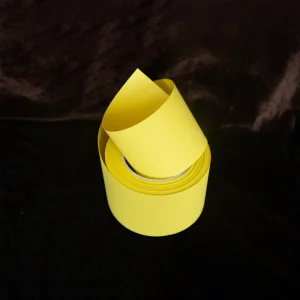
High-Quality Secure, Durable and High-Tack Wire Adhesive Labels Factories, Company
-
View Product Specs
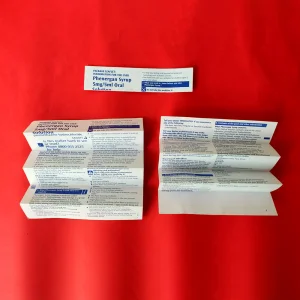
Custom Multi-Panel Folded Instruction Manuals for Product Manufacturers, Factories
-
View Product Specs
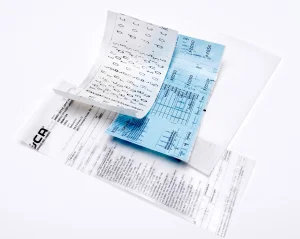
Buy Tear-Proof PET Electrical Insulation Paper (Polyester Film) Manufacturer, Products
-
View Product Specs

High-Quality Instant-Print Thermal Paper Tickets for Customizable Event or Service Factories, Product
-
View Product Specs
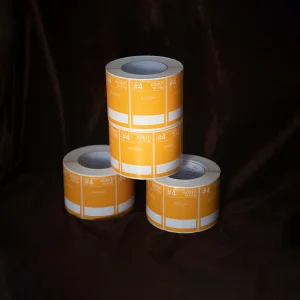
China Affordable and Printer-Friendly Paper-Based Labels Product, Products
-
View Product Specs
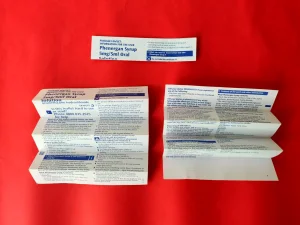
Custom Single-Sheet Instruction Manual Company, Products
-
View Product Specs
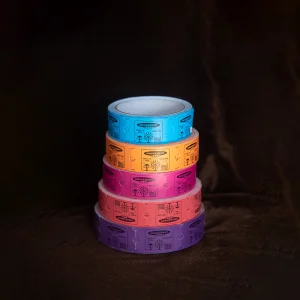
Buy Standard General Admission Tickets and Airline Tickets Manufacturers, Factories
-
View Product Specs

High-Quality Adhesive Labels with Anti-Curl and Moisture-Resistant Sealed Backing Paper Factory, Product