
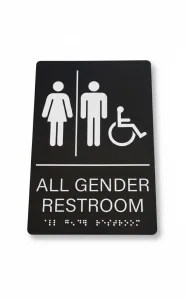
Featured OEM/ODM Industrial Printing Solutions (Part I)
Explore our core engineering product line manufactured in our ISO-certified Xiamen facility. Each product is engineered to withstand rigorous environmental stressors while maintaining optimal visual clarity.
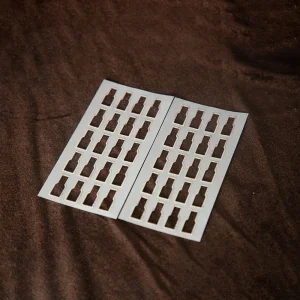
Custom Durable Synthetic Paper Adhesive Labels Manufacturers, Companies
View Product Specs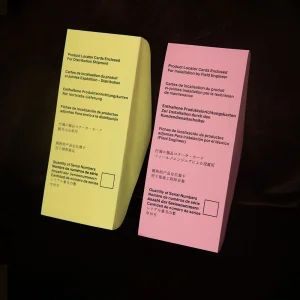
Buy Custom Premium Envelopes Manufacturer, Manufacturers
View Product Specs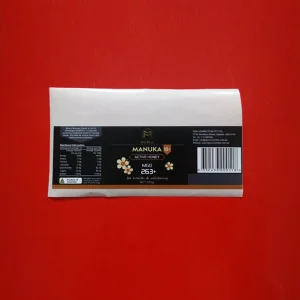
China Flexible PE-Based Adhesive Labels Factory, Companies
View Product Specs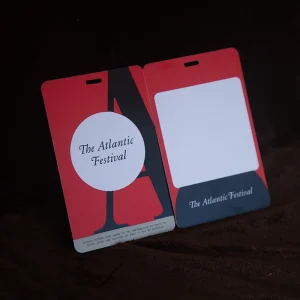
Custom Paperboard Cards with Custom Printed for Events, Gift Cards Factory, Products
View Product Specs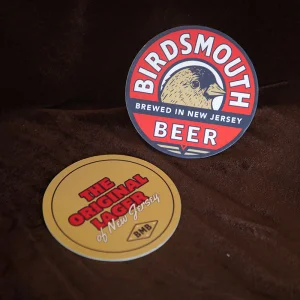
High-Quality Durable Beverage Coasters with Custom Branding Options Factory, Product
View Product Specs
High-Quality Durable Paper Hangers for Clothing Display Companies, Product
View Product Specs
High-Quality Adhesive Labels with Anti-Curl and Moisture-Resistant Sealed Backing Paper Factory, Product
View Product Specs1. Global Commercial Landscape: The Strategic Evolution of Tent Card Printing
In the era of omnichannel marketing and physical-digital integration, commercial tent card printing has evolved from basic paper folding into a specialized field of high-precision micro-engineering and visual merchandising. Modern enterprises require table-top visual tools—such as conference name cards, menu tents, promotional displays, and compliance signage—that function as high-impact touchpoints. A tent card is no longer just a piece of folded cardstock; it represents brand credibility, structural stability, environmental responsibility, and structural performance.
Global commercial procurement data indicates a structural shift toward multi-functional, durable, and sustainable tent cards. From high-end hospitality venues in Dubai to corporate executive boardrooms in Frankfurt and retail chains across North America, procurement directors demand materials that resist moisture, maintain rigid structural geometry, prevent score-line cracking, and utilize environmentally compliant inks and substrates. China's printing ecosystem, powered by advanced automated converting lines and digital workflow integration, sits at the center of this transformation.
30+
Years Manufacturing Excellence (Est. 1992)
< 1.5
Delta E Color Precision Target
100%
RoHS & REACH Compliance Rate
ISO 9001
Quality Assurance Certified
Macro Trends Driving the Tent Card & Specialty Printing Sector
Sustainable & Circular Substrates
Transition from traditional virgin pulp toward FSC-certified recycled paperboard, post-consumer synthetic polymers (PET), and biodegradable stone-paper films. Global ESG mandates drive corporate buyers to source zero-plastic or recyclable display assets.
Phygital Integration (NFC & Smart QR)
Modern tent cards integrate embedded NFC chips or high-density variable QR codes, connecting offline physical displays with online menu portals, event registration engines, and interactive corporate collateral.
Tactile & Haptic Finishes
Incorporation of 3D tactile spot UV, blind embossing, metallic hot-stamping, soft-touch matte laminations, and tactile Braille text on rigid ABS or composite boards to meet modern ADA and international accessibility standards.
2. Global Enterprise Procurement Demands & Technical Challenges
B2B buyers, procurement heads, and print brokers face complex technical requirements when sourcing print components internationally. Sourcing cheap print collateral often leads to hidden costs: paper fiber splitting during creasing, color drift across print batches, thermal warping in outdoor hospitality environments, and adhesive failure in pressure-sensitive labels.
Core Procurement Pain Points Solved by Xiamen Lianhua Printing
- Structural Creasing Integrity: Standard paperboards frequently crack along score lines when folded into triangular A-frame tent cards. We solve this by implementing micro-perforated scoring, grain-direction alignment, and film-laminated reinforcement layers that prevent fiber separation.
- Color Consistency Across Substrates: Global brand management requires exact Pantone matching across different media—from 350gsm paperboard tent cards to synthetic adhesive labels and rigid ABS signage boards. Our Heidelberg offset presses and digital color management guarantee a strict Delta E < 1.5 tolerance.
- Environmental & Thermal Resistance: Tent cards used in outdoor events, moisture-heavy restaurant environments, or cold-storage logistics require specialized coatings. We utilize waterproof UV varnishes, anti-curl release backing papers, and low-temperature freezer-grade adhesives.
To assist procurement managers in selecting the ideal substrate for commercial tent cards, industrial tags, and structural signage, our engineering team has synthesized the following operational substrate matrix:
| Substrate Material | Typical Caliper / GSM | Structural Rigidity | Environmental Resistance | Primary Commercial Applications |
|---|---|---|---|---|
| C1S / C2S Art Paperboard | 250 GSM - 400 GSM | High (Short-to-Medium Span) | Standard (Requires Lamination) | Corporate Banquets, Hospitality Menus, Name Tent Cards |
| Polypropylene (PP) Synthetic Paper | 150μm - 350μm | Flexible to Semi-Rigid | 100% Waterproof, Tear-Proof | Outdoor Event Tents, Waterproof Labels, Cold Chain POS |
| ABS Dual-Color Plate | 1.3mm - 3.0mm | Ultra-Rigid Structural Board | UV Stable, Scratch & Impact Resistant | Tactile Braille Signage, Industrial Machinery Tags |
| Polycarbonate (PC) & PET | 200μm - 500μm | High Flexural Strength | High Temperature & Chemical Resistant | Reusable Premium Cards, Electronic Overlay Labels |
3. China Industry 4.0: Supply Chain Resilience & Efficiency Advantages
China's printing and converting ecosystem has undergone a profound technology upgrade. Established in February 1992 in Siming District, Xiamen, Xiamen Lianhua Printing Co., Ltd. exemplifies the modern China Industry 4.0 manufacturing framework. Combining three decades of craft experience with automated production systems, we deliver scalable print solutions for global B2B clients.
Upstream Material Integration
Situated in the Xiamen manufacturing corridor, we maintain direct long-term partnerships with tier-1 paper mills, polymer film extruders, and adhesive chemical synthesis plants. This minimizes raw material acquisition lead times by up to 40%.
Precision Automated Converting
Our workshop houses high-speed multi-color offset presses, rotary die-cutters, automated box folders, laser engraving stations for ABS plates, and high-translucency backing paper slitters to ensure razor-thin die-cut tolerances.
Total Cost of Ownership Optimization
Through streamlined gang-run printing efficiency, real-time automated waste management, and optimized export packaging, we lower unit costs while maintaining ISO compliance and zero-defect quality targets.
4. Localized Application Scenarios & Real-World Use Cases
Print products serve different functional roles across commercial and industrial environments. Below is how our products integrate into real-world client operations:
Case 1: Global Hospitality & Executive Summits (Tent Cards & Paperboard)
International convention centers require thousands of customized name tent cards, food menu tents, and table markers. Utilizing 350gsm premium art cardstock with double-sided soft-touch lamination, we deliver crisp score lines and stable free-standing A-frame geometry. The cards resist ambient humidity in banquet halls without sagging or warping.
Case 2: Architectural Accessibility & Wayfinding (Tactile ABS Braille Signage)
Commercial real estate developments require compliant interior wayfinding signage. Our dual-color ABS board series undergo precision CNC/laser engraving paired with raised tactile lettering and Grade 2 Braille dots. Designed for high traffic, these signs resist UV exposure, cleaning chemicals, and mechanical abrasion.
Case 3: Cold Chain Packaging & Automotive Logistics (Specialty Labels)
From low-temperature freezer adhesive labels designed for sub-zero food logistics (-40°C) to high-tack tire labels engineered to adhere to oily, textured vulcanized rubber, our pressure-sensitive adhesive technology keeps critical barcode data legible across complex supply chains.
Featured OEM/ODM Industrial Printing Solutions (Part II)
Browse our extended suite of high-durability synthetic labels, thermal ticket substrates, instruction booklets, and specialized industrial tags for global B2B procurement.

Custom Weatherproof, Affordable and Reliable PVC Adhesive Labels Company, Product
View Product Specs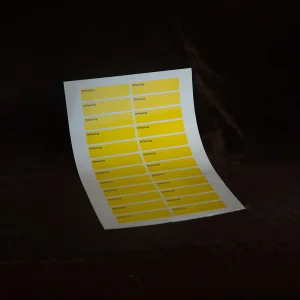
Custom Heat-Resistant Polyimide (PI) Adhesive Labels Manufacturers, Product
View Product Specs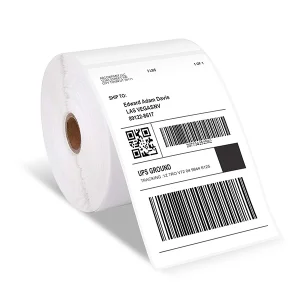
High-Quality Heat-Resistant Thermal Paper Adhesive Labels Factory, Company
View Product Specs
China High-Tack Tire Adhesive Labels Manufacturers, Factory
View Product Specs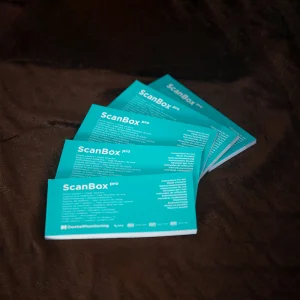
China Detailed Booklet-Style Instruction Manuals for equipment or products Company, Products
View Product Specs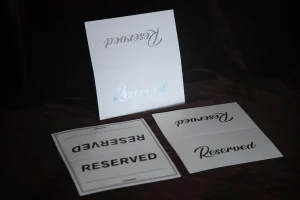
Buy Custom Printed Name Tent Cards for Conferences, Banquets & Hospitality Manufacturers, Products
View Product Specs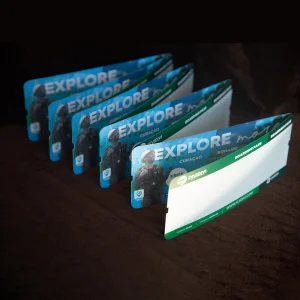
High-Quality Instant-Print Thermal Paper Tickets for Customizable Event or Service Factories, Product
View Product Specs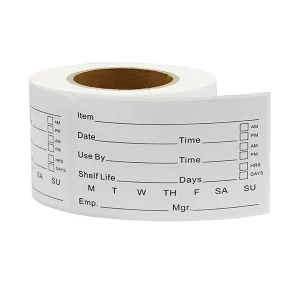
Custom Low Temperature Resistant Freezer Adhesive Labels Manufacturers, Factories
View Product SpecsFrequently Asked Questions: Global Sourcing & Engineering Specifications
Below are authoritative responses to common inquiries submitted by international procurement teams, print brokers, and OEM project leaders regarding manufacturing, materials, and compliance.
What structural parameters prevent tent cards from cracking along the crease line?
Crease cracking occurs when paper fiber breaks under tension during folding. To prevent this, Xiamen Lianhua Printing applies three primary engineering controls: 1) Aligning the card grain direction parallel to the fold line; 2) Utilizing matrix score-indentation dies rather than basic knife creases; and 3) Applying a flexible OPP film lamination (gloss or matte) that bridges fiber boundaries and maintains structural integrity across multi-ply cardstocks.
Is Xiamen Lianhua Printing a direct manufacturing factory or a trading company?
We are a direct original equipment manufacturer (OEM/ODM). Established in February 1992 in Xiamen, Fujian, China, our company operates an integrated manufacturing facility equipped with multi-color printing presses, rotary die-cutters, laser engraving systems, and automated slitting machines. We control all steps in-house—from substrate inspection to post-press finishing and export packing.
Are your raw materials compliant with international environmental standards like RoHS and REACH?
Yes. Under our strict green procurement management policy, all paper stocks, synthetic films (PET, PE, PP, Polyimide), adhesives, and printing inks adhere to RoHS (Restriction of Hazardous Substances) and REACH safety regulations. We routinely provide Material Safety Data Sheets (MSDS) and third-party testing certification upon enterprise request.
How do I determine whether to use ABS dual-color board or paperboard for display signage?
Paperboard (250-400 GSM) is ideal for short-to-medium-term indoor applications such as conference tent cards, event table seating, and hospitality menus due to its cost efficiency and vibrant multi-color printing capabilities. ABS dual-color boards (1.3mm - 3.0mm) are engineered for long-term or permanent architectural installations requiring tactile Braille, high impact resistance, chemical washability, or severe weather stability.
What technical data is required to receive an accurate enterprise price quote?
To provide an accurate technical quote, please provide: 1) Physical dimensions and flattened structural template; 2) Substrate preference (e.g., C2S paper, Synthetic Paper, ABS board thickness); 3) Printing color requirements (CMYK, Pantone spot colors); 4) Surface finishing details (gloss/matte lamination, spot UV, hot foil stamping, die-cutting, pre-scoring); and 5) Total order quantity and shipping destination.
How does Xiamen Lianhua Printing ensure color consistency for large global print runs?
We utilize closed-loop spectrophotometer color control systems integrated directly into our printing presses. By measuring ink film thickness and spectral response against established Pantone digital libraries, we maintain strict color tolerances (Delta E < 1.5) from the initial proofing phase through long-run mass production.