

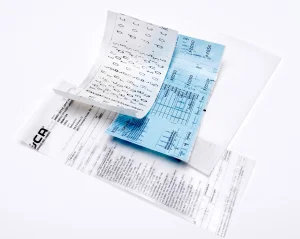

Global Commercial & Industrial Status of Custom Coated Paper Products
Analysis of market dynamics, polymer coating transitions, and macroeconomic supply chain shifts across global manufacturing hubs.
The global market for custom coated paper products has reached a critical inflection point. Historically driven by standard commercial graphics and traditional publishing, the modern coated paper sector is currently experiencing a rapid structural transformation toward functional, barrier-engineered, and high-performance pressure-sensitive substrates. Valued at over $42 Billion globally, the specialty coated paper and industrial label matrix is expanding at a projected CAGR of 4.8% through 2032, propelled by booming e-commerce, strict cold-chain logistics requirements, and stringent international packaging sustainability mandates.
Industrial demand is shifting away from simple aesthetic mineral coatings (such as standard clay or calcium carbonate gloss layers) toward advanced aqueous barrier dispersions, fluorochemical-free oil/grease proofing, high-dielectric electrical insulation papers, and extreme-environment synthetic laminates. B2B procurement managers and packaging engineers are no longer searching merely for printable surfaces; they require multifunctional substrate systems capable of withstanding extreme mechanical shear, chemical exposure, deep-freeze sub-zero thermal cycling, and high-speed automated die-cutting without delamination.
Regulatory Compliance Push
Global mandates such as the European Union’s Packaging and Packaging Waste Regulation (PPWR) and US FDA 21 CFR standards are enforcing the complete removal of PFAS "forever chemicals" and non-recyclable PE laminations, driving adoption of dispersion coatings.
Substrate Hybridization
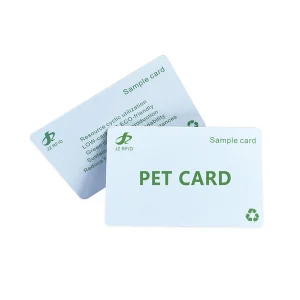
Integration of biaxially oriented polypropylene (BOPP), polyethylene terephthalate (PET), and ABS dual-color structural polymers alongside cellulosic fibers to satisfy both mechanical durability and environmental recyclability metrics.
E-Commerce & Logistics Demand
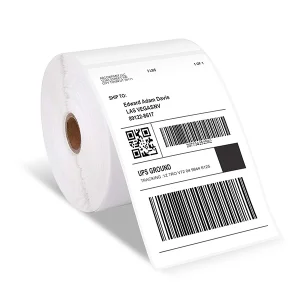
High-speed variable data thermal printing requires specialized heat-resistant topcoats and aggressive pressure-sensitive adhesives that maintain tack across fluctuating ambient moisture and temperature profiles.
Coating Engineering & Chemical Matrix Architecture
Technical comparison of pigment coatings, binder chemistry, base papers, and adhesive layer rheology.
Achieving optimal print performance, tactile durability, barrier protection, and die-cutting precision requires a meticulously engineered multi-layer architecture. A custom coated paper product comprises three core functional zones: the **Topcoat/Print Surface**, the **Base Substrate Core**, and the **Functional Backing/Adhesive Interface**.
| Specification Metric | Standard Commercial Coated Paper | Industrial Barrier Coated Paper | Specialty Synthetic & Thermal Laminates |
|---|---|---|---|
| Base Weight (Grammage) | 70 – 150 g/m² | 80 – 300 g/m² | 50 – 250 μm (Film Thickness) |
| Coating Pigment Composition | Kaolin Clay / Ground Calcium Carbonate (GCC) | Precipitated Calcium Carbonate (PCC) / Titanium Dioxide (TiO₂) | Leuco Dye Thermal Coating / Aqueous Polymer Dispersion |
| Binder Formulation | Starch / Styrene-Butadiene Rubber (SBR) Latex | Polyvinyl Alcohol (PVOH) / Acrylic Copolymer Emulsions | Cross-linked Acrylic / UV-Curable Polyurethane Dispersions |
| Surface Energy (Dyne Level) | 34 – 38 dynes/cm | 42 – 48 dynes/cm | >50 dynes/cm (Corona Treated) |
| Cobb Value (Water Absorption 60s) | 25 – 40 g/m² | < 5 g/m² (High Hydrophobicity) | 0 g/m² (Impervious Barrier) |
| Primary Industrial Applications | Brochures, Manuals, General Inserts | Food Packaging, Oil/Grease Wraps, Labels | Cold-Chain Labels, Electrical Insulation, Tires |
Technical Insight on Adhesive Rheology: For pressure-sensitive custom coated labels, initial tack, peel adhesion (180° test via PSTC-101), and shear resistance (PSTC-107) must be balanced precisely. High-tack hot-melt rubber adhesives excel on low-energy tire surfaces, whereas cross-linked solvent acrylic adhesives offer superior UV, plasticizer, and thermal migration resistance for automotive and electronic component marking.
Key Industry Trends Shaping Coated Paper Manufacturing
Exploring next-generation bio-coatings, smart functionalized surfaces, and zero-curl linerless label technologies.
1. Pure Aqueous Barrier Dispersion Coatings
To replace non-recyclable polyethylene (PE) and wax coatings, chemical suppliers are deploying water-based acrylic and polyurethane dispersion coatings. These ultra-thin films form continuous polymer matrices that block water vapor (WVTR) and grease while allowing standard repulpability in municipal paper recycling systems.
2. Micro-Fibrillated Cellulose (MFC) Reinforcement
Incorporating MFC into face-coatings dramatically enhances oxygen barrier properties and dimensional tensile strength. This technology yields ultra-lightweight coated papers with smooth surface topography comparable to high-grammage bleached board, cutting freight costs without sacrificing mechanical stiffness.
3. Direct Thermal & Anti-Curl Backing Engineering
Modern supply chain automated sorting hubs demand direct-thermal topcoats resistant to friction-heat, moisture fading, and chemical plasticizer contact. Coupled with anti-curl silicone glassine and thick kraft backing liners, these coated products eliminate jam-ups during high-speed auto-dispensing.
4. Laser-Engravable Substrates & Braille Accessibility
Industrial signage demands are met through ABS dual-color boards and UV-stabilized coated synthetic plates. These allow sub-surface mechanical laser ablation to create high-contrast safety signage, equipment rating plates, and tactile ADA/Braille compliance markers.
Macro Industry Solutions & Operational Deployment
Tailored coated paper and specialized substrate architectures engineered for specific global sector challenges.
Electronics & Electrical
Utilizes high dielectric strength tear-proof PET electrical insulation papers and thermal-resistant warning labels. Capable of surviving reflow soldering ambient temperatures up to 260°C while maintaining UL969 flame retardancy and legibility.
Automotive & Tire Supply Chain
Requires heavy-duty vulcanization tire labels with aggressive, high-tack rubber adhesives backed by aluminum foil barrier films. Prevents rubber oil migration from staining the topcoat visual graphics.
Pharmaceutical & Cold-Chain
Employs specialized sub-zero acrylic adhesive systems formulated to bond securely to frosted glass vials, blood bags, and cryogenic containers down to -80°C without adhesive crystallizing or flagging.
FMCG & Apparel Packaging
Eco-friendly paperboard hangers, custom-printed food container sleeves, and FSC-certified gloss coated paper labels. Provides plastic-free packaging alternatives aligned with consumer sustainability expectations.
Industrial Signage & Wayfinding
Employs outdoor-grade ABS dual-color boards and tactile Braille plates. Engineered for UV stability, impact resistance, and long-term chemical resistance in manufacturing plants and public infrastructure.
Heavy Equipment Documentation
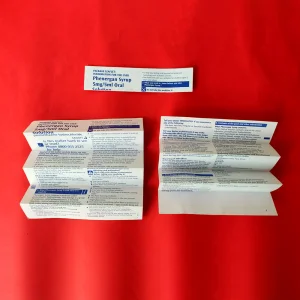
Provides detailed multi-panel folded manuals and saddle-stitched booklet-style operating guides printed on coated paper stocks. Optimized for high folding endurance and ink-rub resistance.
Localized Application Scenarios & Global Compliance
Adapting substrate specifications to international climate dynamics, regional shipping stress, and local regulatory frameworks.
North American Markets (US / Canada)
Focuses heavily on UL969 component marking authorization, FDA direct/indirect food contact compliance (21 CFR 175.105), and robust moisture resistance for long-distance intermodal freight transit across varying climate zones.
European Union Framework
Driven by strict chemical safety mandates (REACH SVHC exclusion), total absence of heavy metals (RoHS compliance), and circular economy recyclability testing via CTP/CEPI standard repulpability protocols.
Asia-Pacific Tropical Supply Chains
Requires anti-fungal treatment, specialized anti-curl sealed backing paper liners, and high-humidity tack stability to prevent adhesive ooze and label curling in humid warehouse environments.
Technology Roadmap & Future Outlook (2025 – 2035)
Mapping the next decade of material evolution, intelligent interactive surfaces, and carbon-neutral coated papers.
PFAS-Free Water-Based Dispersion Coating
Complete industry phase-out of fluorinated oil-repellents and solid PE laminations in favor of fully repulpable aqueous barrier coatings across food and industrial packaging lines.
Smart Coating & Printed RFID Integration
Mass-market adoption of conductive ink-receptive coated papers allowing direct printing of ultra-thin passive RFID antennas and temperature-time indicators onto functional label stocks.
Carbon-Negative Bio-Polymer Coatings
Transition toward lignin-derived binders, bio-based latexes, and enzymatic de-inking topcoats that achieve net-zero carbon footprints while facilitating 100% closed-loop circular recycling.




Frequently Asked Technical & Procurement Questions
Expert guidance on material selection, adhesive mechanics, regulatory compliance, and custom converting options.