
Primary Industrial & Medical Substrate Catalog
Direct OEM/ODM solutions engineered for sterile barrier integrity, extreme thermal tolerance, and high-tack performance.
Custom Durable Synthetic Paper Adhesive Labels Manufacturers, Companies
View Product Specs
Buy Custom Premium Envelopes Manufacturer, Manufacturers
View Product Specs
Custom Paperboard Cards with Custom Printed for Events, Gift Cards Factory, Products
View Product Specs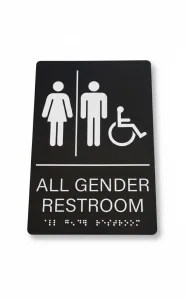
Custom Custom Tactile Braille Signage on Premium ABS Board Manufacturers, Factory
View Product Specs
Custom Outdoor Grade ABS Dual-Color Board Factories, Products
View Product Specs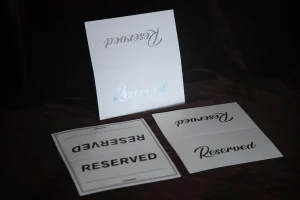
Buy Custom Printed Name Tent Cards for Conferences, Banquets & Hospitality Manufacturers, Products
View Product Specs
High-Quality Durable and versatile PET Adhesive Labels Manufacturers, Product
View Product Specs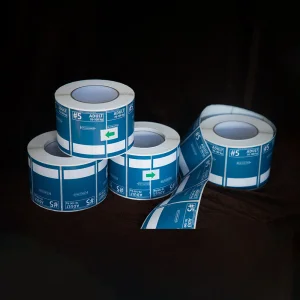
China High-Tack Tire Adhesive Labels Manufacturers, Factory
View Product SpecsExecutive Summary & The Paradigm Shift in Medical Label Manufacturing
In the highly regulated world of medical device manufacturing, the label is not merely a piece of printed film—it is a critical safety component of the medical device itself. A failure in label adhesion, legibility, or chemical resistance can lead to catastrophic traceability breakdowns, regulatory non-compliance fines, product recalls, and compromised patient safety. As global regulatory frameworks such as the EU Medical Device Regulation (MDR 2017/745) and FDA 21 CFR Part 801 Unique Device Identification (UDI) mandates enforce zero-tolerance policies for illegible or detaching labels, sourcing managers are shifting away from commercial print shops toward specialized medical device label factories equipped with cleanroom capabilities and ISO 13485 quality systems.
Custom medical device labels must withstand some of the world's harshest physical and chemical environments: exposure to isopropyl alcohol (IPA), bleach cleaning solutions, hydrogen peroxide gas plasma, ethylene oxide (EtO) sterilization, gamma-ray irradiation, and cryogenic storage down to -196°C in liquid nitrogen. Furthermore, the pressure-sensitive adhesive (PSA) must demonstrate biocompatibility according to ISO 10993 standards, ensuring zero toxic leaching or outgassing into primary sterile packaging or direct skin contact areas.
Key Insight: According to FDA recall databases, over 12% of medical device recalls are attributed to packaging and labeling errors. Selecting an experienced medical device label company that understands ISO 15223-1 graphical symbols and high-density 2D GS1 DataMatrix code printing is an indispensable risk-mitigation strategy.
Core Regulatory Benchmarks Governing Medical Device Labeling:
- FDA 21 CFR Part 801 & 830: Universal UDI implementation requiring human-readable text and high-contrast, verifiable machine-readable barcodes (GS1 128 / DataMatrix).
- ISO 15223-1:2021 Compliance: Standardized application of international medical symbols (e.g., STERILE, Single Use, Expiry Date, Batch Code) replacing translated multi-language text blocks.
- ISO 10993-5 & 10: Biological evaluation of medical devices for cytotoxicity, sensitization, and intracutaneous reactivity of adhesives and inks.
- EU MDR Annex I General Safety and Performance Requirements (GSPR): Strict validation of label durability across the entire defined shelf-life of the device under extreme ambient conditions.
Global Medical Device Labeling Trends (2025–2030)
Technological advancement and stringent enforcement are reshaping the functional expectations of medical labels across global MedTech ecosystems.
Smart RFID & NFC Smart-Labels
Integration of ultra-thin UHF RFID and NFC chips into synthetic labels enables real-time asset tracking in hospitals, automated inventory reconciliation, and instant anti-counterfeiting verification for high-value surgical implants.
Cryogenic & Biologics Preservation
With the rise of Cell & Gene Therapy (CGT) and mRNA vaccines, medical labels must survive ultra-low temperatures (-80°C to -196°C) without adhesive crystallizing or face-stock delamination, maintaining full barcode readability upon thaw.
Tamper-Evident & Anti-Counterfeiting
To combat counterfeit medical supplies, modern labels utilize VOID pattern release liners, destructible vinyl materials, micro-text printing, and covert UV fluorescent inks that trigger immediate visual evidence of unauthorized package opening.
Eco-Friendly & Low-Migration Synthetics
Transitioning from halogenated PVC to recyclable polypropylene (PP), polyethylene (PE), and polyimide (PI) substrates backed by solvent-free acrylic adhesives to minimize environmental impact and eliminate chemical migration.
Autoclave-Resistant Overlays
In-hospital surgical tools require repeat-use control panel graphic overlays made of textured polycarbonate (PC) or polyester that resist up to 100+ cycles of steam autoclaving at 134°C without discoloration or adhesive lifting.
On-Demand Variable Data UV Inkjet
Replacement of pre-printed static labels with high-speed, inline digital UV inkjet printing, enabling medical device manufacturers to print variable UDI serial numbers, lot codes, and expiration dates dynamically on automated packaging lines.
Global Procurement Dynamics & Vendor Qualification Criteria
Sourcing medical device labels requires a stringent audit process far beyond standard commercial print vendor evaluation. Global medical equipment OEMs in the United States, Europe, Japan, and Singapore employ rigorous Supplier Quality Assurance (SQA) frameworks to assess potential label factories.
Essential Vendor Qualification Pillars for MedTech Sourcing Directors:
- Quality System Certification: The supplier must maintain active ISO 9001 and ideally ISO 13485 certification. The facility must demonstrate clean manufacturing protocols to prevent dust or particulate contamination on sterile barrier packaging labels.
- Formal Change Control Management (CCM): Medical label factories must guarantee that no change in raw material substrate, adhesive formulation, release liner, or printing ink will occur without advance written customer notification and formal re-validation (IQ/OQ/PQ protocols).
- 100% Automated Vision Inspection: Automated line-scan camera inspection systems must verify every single printed label in real-time, instantly ejecting labels with pinhole voids, ink smears, missing UDI barcode lines, or misaligned text.
- Full Raw Material Traceability: Complete lot traceability from raw chemical adhesive master rolls down to individual finished label rolls shipped to the client, backed by comprehensive Certificates of Conformance (CoC) and RoHS/REACH chemical compliance statements.
When procurement managers evaluate pricing, total cost of ownership (TCO) is prioritized over initial unit cost. A low-cost label that fails during steam sterilization can cause tens of thousands of dollars in line downtime and re-sterilization expenses.
Supply Chain Resilience & Modern Factory Efficiency
How Xiamen Lianhua Printing Co., Ltd. combines 30+ years of printing expertise with Industry 4.0 automation to deliver global medical-grade quality.
As the global medical device sector demands shorter lead times, higher customization, and competitive cost structures, China's advanced manufacturing hubs—such as Xiamen—have evolved into premier global manufacturing centers. Modern Chinese label factories have transitioned from manual labor-intensive operations to fully integrated Industry 4.0 smart facilities.
Precision Rotary Die-Cutting
Utilizing high-speed servo-driven rotary die-cutting units capable of tight tolerances (±0.1mm), preventing micro-perforations in backing liners during rapid automatic label application.
LED-UV Flexo & Digital Printing
Low-temperature LED-UV curing systems eliminate thermal shrinkage on thin film substrates (PET/PE), while low-migration inks guarantee zero hazardous chemical residue.
Integrated Chemical Supply Chain
Direct partnerships with world-leading pressure-sensitive adhesive and raw substrate manufacturers guarantee fast prototyping (2-4 days) and stable batch-to-batch chemical properties.
Xiamen Lianhua Printing Co., Ltd. leverages its strategic coastal location near major ports and international logistics hubs to provide seamless DDP shipping, complete export customs compliance, and technical engineering support to clients across North America, Europe, Australia, and Southeast Asia.
Medical Grade Substrates & Adhesive Selection Matrix
Engineered technical comparison for medical device packaging, diagnostic equipment, and surgical labeling applications.
| Substrate Material | Temperature Range | Sterilization Tolerance | Chemical Resistance | Primary Medical Device Application |
|---|---|---|---|---|
| PET (Polyester Film) | -40°C to +150°C | EtO, Gamma, Autoclave (Light) | High (IPA, Bleach, Disinfectants) | Medical Device Rating Plates, Serial UDI Labels, Diagnostic Equipment Overlay |
| Polyimide (PI / Kapton) | -269°C to +300°C | Dry Heat, Steam Autoclave, Gamma | Extreme (Solvents, Acids, Harsh Washes) | Surgical Tool Tracking, High-Temp Sterilization Trays, Printed Circuit Boards (PCB) |
| Synthetic Paper (PP/PE) | -40°C to +90°C | EtO, Gamma | Moderate (Water, Oils, Mild Cleaners) | Primary Sterile Packaging (Tyvek Pouches), IVD Reagent Bottles, Blood Bag Secondary Labels |
| Cryogenic Polyolefin | -196°C to +120°C | EtO, Gamma | High (Liquid Nitrogen, DMSO, Alcohol) | Cryo-Vials, Stem Cell Storage Bags, Biologics Ultra-Cold Chain Logistics |
| Destructible Vinyl / PVC | -20°C to +80°C | EtO | Moderate | Tamper-Evident Safety Seals, Calibration Void Labels, Warranty Integrity Stickers |
| ABS Engraving Board | -30°C to +70°C | Surface Wipe Disinfectants | High (UV & Weatherproof) | Hospital Tactile Braille Signage, Equipment Machine Control Panels, Safety Plaque |
Adhesive Science: Tack, Shear, and Peel Strength in Medical Environments
The success of a custom medical label depends equally on the pressure-sensitive adhesive (PSA) technology employed:
- Initial Tack: High quick-stick tack is necessary when applying labels automatically at high speeds onto curved plastic blood tubes, glass vials, or textured polymer housings.
- Shear Resistance: Superior cohesive shear strength prevents label edge-lifting (flagging) on small-diameter syringes or tight-radius tubing over long storage periods.
- Peel Adhesion & Outgassing: Medical solvent-acrylic adhesives provide permanent bonding to low surface energy (LSE) plastics such as Polypropylene (PP) and Polyethylene (PE) without releasing volatile organic compounds (VOCs) that could contaminate sterile fields.
Localized Application Scenarios in Global Healthcare Settings
From surgical operating rooms to cryogenic biobanks, custom medical labels perform critical visual and data roles.
In-Vitro Diagnostics (IVD) Vials & Analyzers
Scenario: High-throughput clinical chemistry analyzers processing thousands of sample tubes daily.
Label Solution: Synthetic paper or PET labels with chemical-resistant resin ribbon printing that resist centrifuging, water baths, and aggressive barcode scanners without smudging.
Surgical Instrument Tray Tracking
Scenario: Hospital Central Sterile Supply Departments (CSSD) re-sterilizing surgical cassettes.
Label Solution: Polyimide (Kapton) labels with ultra-permanent adhesive designed to endure 134°C high-pressure steam autoclave cycles while retaining crisp 2D DataMatrix code legibility.
Cryogenic Biobank Sample Storage
Scenario: Long-term preservation of stem cells, blood plasma, and genetic tissues in liquid nitrogen tanks.
Label Solution: Specialized cryo-adhesive polyolefin labels that wrap around small vials with self-lamination, preventing adhesive embrittlement down to -196°C.
Durable Medical Equipment Control Panels
Scenario: Hospital patient monitors, infusion pumps, and imaging machines requiring frequent surface disinfection.
Label Solution: Polycarbonate (PC) graphic overlays with sub-surface reverse printing, protecting interface buttons and branding graphics from harsh hospital-grade disinfectant wipes.
Sterile Packaging Barrier (Tyvek® Pouches)
Scenario: Single-use catheter and implant sterile packaging.
Label Solution: Medical-grade synthetic adhesive labels designed for direct attachment to Tyvek® gas-permeable membranes, maintaining seal integrity post-EtO sterilization.
Hospital Accessibility & Wayfinding
Scenario: Modern clinical facilities meeting ADA and international disability compliance.
Label Solution: Precision CNC-engraved or UV-molded ABS Dual-Color tactile braille signage providing durable, cleanable directional markers for vision-impaired patients.
High-Performance Functional Labels & Manuals
Explore customized adhesive labeling solutions engineered for extreme environmental resistance and specialized converting applications.
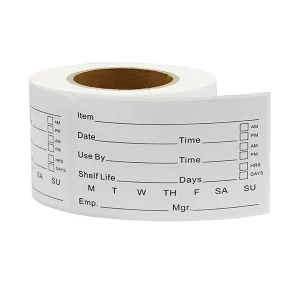
Custom Low Temperature Resistant Freezer Adhesive Labels Manufacturers, Factories
View Product Specs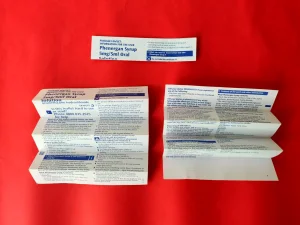
Custom Single-Sheet Instruction Manual Company, Products
View Product Specs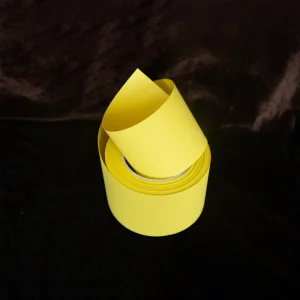
High-Quality Secure, Durable and High-Tack Wire Adhesive Labels Factories, Company
View Product Specs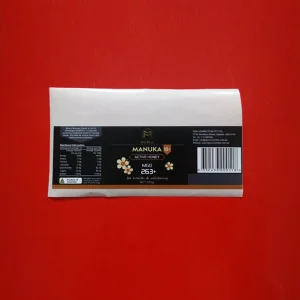
China Flexible PE-Based Adhesive Labels Factory, Companies
View Product Specs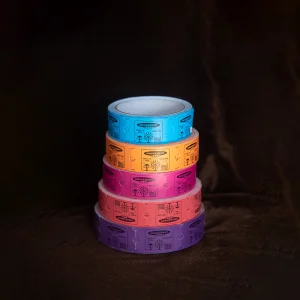
Buy Standard General Admission Tickets and Airline Tickets Manufacturers, Factories
View Product Specs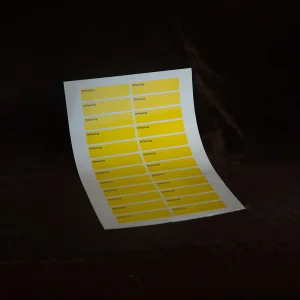
Custom Heat-Resistant Polyimide (PI) Adhesive Labels Manufacturers, Product
View Product Specs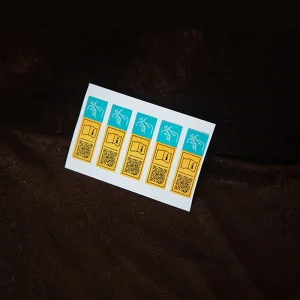
Custom Weatherproof, Affordable and Reliable PVC Adhesive Labels Company, Product
View Product Specs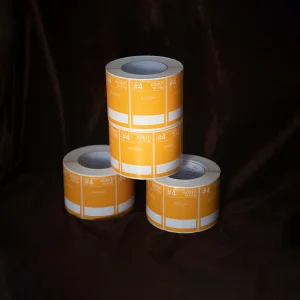
China Affordable and Printer-Friendly Paper-Based Labels Product, Products
View Product SpecsFrequently Asked Questions by Global MedTech Buyers
In-depth answers covering compliance, engineering specifications, minimum order quantities, and factory audit protocols.
How does Xiamen Lianhua Printing ensure compliance with FDA 21 CFR Part 801 UDI barcode verification?
Our production lines are integrated with inline high-resolution optical vision verification systems certified to ISO/IEC 15415 standards for 2D DataMatrix and GS1 128 barcodes. Every label roll undergoes automated 100% scanning to ensure code grading of Grade B or higher, preventing unreadable barcodes from reaching clinical settings.
Can your custom medical device labels withstand Ethylene Oxide (EtO) and Gamma Sterilization?
Yes. We engineer customized labels using specialized polyester (PET) and polyimide (PI) face stocks combined with cross-linked acrylic pressure-sensitive adhesives. These formulations prevent yellowing, gas blistering, or adhesive degradation during EtO gas exposure and high-dose gamma irradiation (up to 45 kGy).
What materials do you recommend for cryogenic storage down to -196°C in liquid nitrogen?
For cryogenic applications such as biobank stem cell vials and plasma bags, we utilize ultra-pliable cryogenic polyolefin or synthetic polypropylene substrates coated with specialized low-temperature acrylic adhesives. These systems prevent thermal shock crystallization and feature self-laminating tail designs to lock in printed variable data.
Are your pressure-sensitive adhesives compliant with ISO 10993 biocompatibility testing?
We source medical-grade adhesives validated under ISO 10993-5 (Cytotoxicity) and ISO 10993-10 (Irritation and Skin Sensitization). Detailed test reports and CoCs can be supplied upon project evaluation for regulatory submission files.
What is the standard lead time for OEM custom medical label prototypes and mass production?
Rapid engineering prototypes and sample rolls are typical delivered within 3 to 5 working days. Full scale mass production runs usually require 7 to 12 working days depending on die-cutting complexity and specialty finish requirements.
How do you manage Change Control Management (CCM) for medical customers?
We maintain a strict ISO-aligned Change Control Management protocol. No raw material master roll, chemical adhesive formula, liner thickness, or ink supplier can be altered without prior written customer notification and formal engineering re-qualification sign-offs.
What anti-counterfeiting features can be integrated into high-value medical device packaging?
We offer multi-layered brand protection features including covert UV fluorescent inks, micro-text lines, tamper-evident VOID pattern release films, destructible vinyl substrates, serialized QR codes, and integrated UHF RFID smart chips for digital authentication.
What information is required to receive an immediate technical quotation?
Please provide label dimensions, target substrate material (e.g., PET, Synthetic Paper, ABS), application surface type (e.g., Polypropylene vial, stainless steel tray), operating temperature range, sterilization method, estimated annual order volume, and vector artwork files.