
Engineered Substrates & High-Performance Media
Explore our core manufacturing lines optimized for extreme environment longevity, high-tack adhesion, precise thermal performance, and compliance with rigorous global industrial standards.
1. Global Outdoor Signage Landscape & Evolutionary Trends
The commercial and industrial outdoor signage sector is undergoing a profound paradigm shift. Driven by urban architectural modernizations, stringent municipal ADA accessibility standards, and aggressive decarbonization mandates across real estate sectors, the global market for high-durability outdoor signage is projected to expand significantly over the next decade. Modern enterprise buyers no longer evaluate outdoor signage merely through aesthetic prisms; instead, signage is analyzed as critical infrastructure—demanding zero-maintenance durability, UV degradation resistance, flame retardancy (UL 94-V0 standard compliance), and structural integrity under high wind speeds and chemical exposures.
Three primary macro-trends dominate the technical specifications demanded by global B2B procurement officers:
Sub-Surface Polymer & Anti-Graffiti Coatings
Conventional surface-printed graphics degrade rapidly under harsh solar UV irradiance and atmospheric pollutants. Advanced manufacturing utilizes sub-surface laser micro-engraving on dual-color ABS (Acrylonitrile Butadiene Styrene) and fluoropolymer laminates, shielding ink pigments behind tough UV-stabilized clear coats.
Tactile Braille & Universal Accessibility Compliance
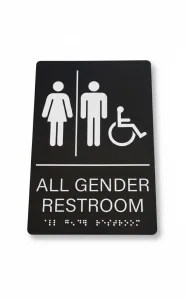
Global regulations—including the US Americans with Disabilities Act (ADA), European EN 81-70, and ISO 21542—require tactile lettering and domed Grade 2 Braille dots seamlessly integrated into outdoor structural signs, mandating sub-millimeter manufacturing precision.
Extreme Weather Resilience (ASTM G154)
Signage specified for coastal refineries, solar farms, and high-altitude transport hubs must endure accelerated QUV weathering tests exceeding 3,000 hours without surface chalking, delamination, or color shifting (ΔE < 2.0).
2. Material Science & Metallurgy in Custom Outdoor Signage
The long-term performance of custom outdoor signage hinges on the precise chemistry between face materials, structural cores, and high-shear pressure-sensitive adhesives (PSAs). Selecting an improper substrate can lead to thermal expansion shear failure, micro-cracking, or adhesive oxidation under thermal cycling.
| Substrate Material | Tensile Strength (MPa) | UV Resistance Index | Thermal Operating Range (°C) | Primary Industrial Applications |
|---|---|---|---|---|
| Dual-Color ABS Engraving Board | 45 - 55 | Class 4.5 / 5 (UV Stabilized) | -40°C to +85°C | Tactile Wayfinding, Facility Safety Panels, Exterior Equipment Marking |
| High-Tack Polyethylene (PE) | 20 - 30 | Class 4.0 / 5 | -30°C to +70°C | Conforming Outdoor Labeling, Flexible Container & Drum Signage |
| Polyimide (PI) Film | 170 - 210 | Class 5.0 / 5 (Industrial Grade) | -50°C to +300°C | Solar Panel Junction Boxes, High-Heat Engine Compartment Signage |
| Polycarbonate (PC) / PET | 60 - 75 | Class 4.8 / 5 (Hard-Coated) | -40°C to +120°C | Impact-Resistant Control Overlays, Architectural Window Graphics |
| Rigid PVC Composite | 50 - 65 | Class 4.2 / 5 | -20°C to +60°C | High-Durability Exterior Cards, Structural Sign Enclosures |
Adhesive Rheology & Surface Energy Dynamics
Securing an outdoor sign onto rough, low surface energy (LSE) substrates—such as powder-coated structural steel, concrete, or textured plastics—requires specialized pressure-sensitive adhesives. Factory-grade signs manufactured by Xiamen Lianhua Printing utilize cross-linked solvent acrylic adhesives exhibiting high initial tack, high shear resistance, and minimal plasticizer migration. This prevents edge-lifting during freezing winter cycles or scorching summer heatwaves where surface temperatures can exceed 70°C.
3. China Factory 4.0: Manufacturing Efficiency & Supply Chain Resilience
Established in February 1992 in Xiamen, China, Xiamen Lianhua Printing Co., Ltd. has evolved over three decades from a specialized printshop into an automated Industry 4.0 manufacturing hub. Global procurement executives face escalating pressures regarding lead-time reliability, batch-to-batch consistency, and strict regulatory compliance (RoHS, REACH, halogen-free).
Integrated MES Automation
Manufacturing Execution Systems (MES) continuously monitor automated high-speed laser cutting, die-cutting, UV digital printing, and thermal laminating lines. Digital inline vision sensors inspect 100% of production for print alignment, color space accuracy (ΔE < 1.0), and tactile dot heights.
Green Purchasing Policy
Our raw materials—from face stocks to backing paper liners—undergo strict chemical screening. We enforce compliance with EU RoHS 3 (Directive 2015/863) and REACH SVHC candidate lists, protecting end-users and facilitating effortless international customs clearance.
Export Logistics & Packaging Resilience
Xiamen’s strategic port infrastructure provides rapid ocean and air transport channels globally. Export shipments are protected with vacuum-sealed moisture-barrier wrapping, corner guards, and ISTA-certified heavy-duty corrugated crating to eliminate transit damage.
4. Localized Application Scenarios & Engineering Case Matrix
Custom outdoor signage engineered by Xiamen Lianhua Printing serves diverse physical and regulatory environments around the globe. Below is an engineering overview of deployment scenarios:
1. Commercial & Architectural Wayfinding
Environment: Shopping centers, corporate headquarters, luxury hotels.
Technical Requirement: Elegant dual-color ABS or brushed aluminum appearance, ADA Braille integration, vandal-resistant surface finishes.
Solution: Laser-etched ABS dual-color plates bonded with 3M acrylic foam tape, offering sleek aesthetics and anti-scratch resistance.
2. Hazardous Industrial & Oil Facilities
Environment: Chemical refineries, off-shore oil rigs, manufacturing plants.
Technical Requirement: Extreme chemical immunity (solvents, acids, sea spray), high visibility safety colors (ISO 7010).
Solution: Sub-surface printed Polyimide (PI) or heavy-gauge rigid PVC with anti-corrosive protective overlays rated for ASTM B117 salt spray exposure.
3. High-Traffic Municipal & Transit Hubs
Environment: Railway stations, airports, public bus terminals.
Technical Requirement: Continuous abrasion resistance, anti-graffiti surface tension, tactile readability.
Solution: UV-cured PET/Polycarbonate composite signs with high-tack backing paper liners ensuring rapid, bubble-free installation.
Specialty Industrial Labels & Signage Solutions
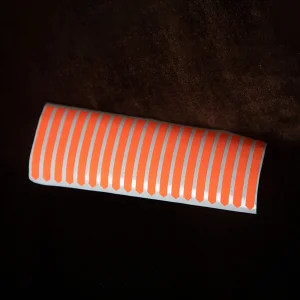
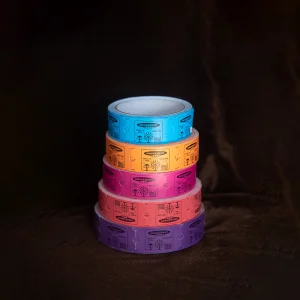
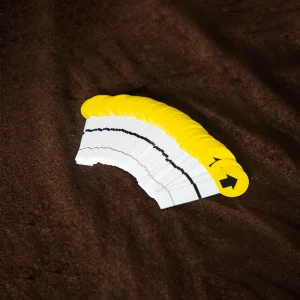
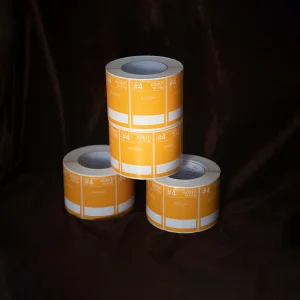
Discover our secondary catalog of specialized labels, heavy-duty backing papers, high-tack adhesives, and custom signage products built for demanding commercial requirements.


5. Frequently Asked Questions (B2B Sourcing Guide)
Clear engineering insights addressing common procurement, manufacturing, and technical inquiry parameters.