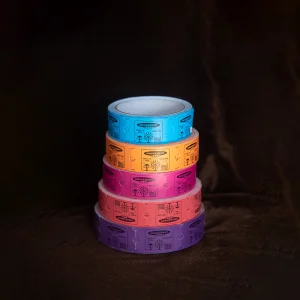
Engineered Inkjet & Specialty Label Portfolio
High-precision substrates, heat-resistant films, and custom adhesive formulations developed for global industrial convertors and brand owners.
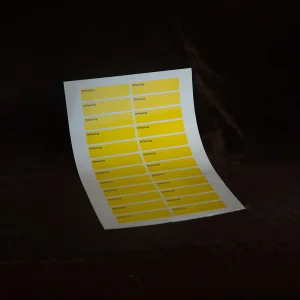

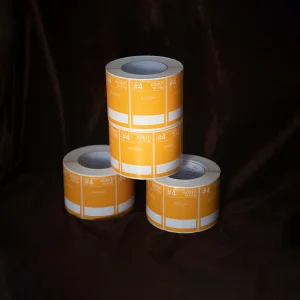
High-Quality Adhesive Labels with Anti-Curl and Moisture-Resistant Sealed Backing Paper Factory, Product
View Technical Specs
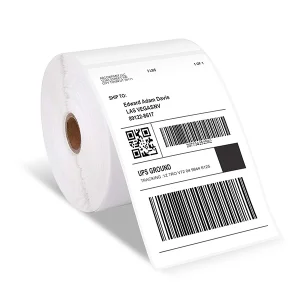
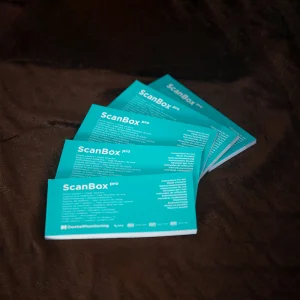
China Detailed Booklet-Style Instruction Manuals for equipment or products Company, Products
View Technical Specs
Industry Evolution & Technological Trends in Inkjet Clear Labels
The global clear label market has shifted from basic decorative pressure-sensitive stickers to ultra-engineered, functional clear substrates designed for high-speed digital inkjet printing environments.
Advanced Substrate Polymerization
Modern clear labels utilize biaxially oriented polypropylene (BOPP) and ultra-clear polyethylene terephthalate (PET) films treated with corona process. Modern polymer chemistry achieves structural haze levels under 0.8%, producing an authentic "no-label look" on clear glass and PET bottles.
- Ultra-low haze factor (<0.8%)
- Corona surface energy > 44 dynes/cm
- High tensile modulus for high-speed dispensing
Nano-Porous Ink-Receptive Coatings
Unlike non-porous synthetic films that cause ink pooling, modern clear inkjet labels feature silica-based or alumina-gel microporous topcoats. These micro-capillary networks trap pigment particles while absorbing water or solvent carriers instantaneously, enabling dry-on-contact performance.
- Instantaneous ink absorption rate (<0.2 sec)
- Compatibility with aqueous pigment & dye inks
- Zero dot gain distortion & razor-sharp barcodes
UV-Curable & LED Inkjet Synergy
The industrial transition toward single-pass UV LED digital printing presses requires clear labels with specialized cross-linked acrylic topcoats. These coats bond chemically with photo-initiated UV inks, preventing delamination under chemical, scratch, or moisture exposure.
- Superior chemical & solvent resistance
- High thermal stability up to 150°C
- No yellowing under long-term UV radiation
Global Enterprise Sourcing Criteria & Performance Matrix
Enterprise supply chain managers must evaluate clear inkjet labels across chemical composition, adhesive rheology, backing paper anti-curling properties, and high-speed labeling machine throughput.
Adhesive Rheology & Surface Energy Matching
Choosing the correct pressure-sensitive adhesive (PSA) is crucial when applying clear labels to glass, PET, HDPE, or metal surfaces. Low-surface-energy (LSE) plastics require modified emulsion acrylics or solvent acrylics to prevent edge flagging and tunneling over time.
- Emulsion Acrylic: Eco-friendly, crystal clear, excellent for glass & high-energy plastics.
- Solvent Acrylic: Harsh chemical resistance, heavy moisture exposure, outdoor grade durability.
- Removable PSAs: Clean peel-off without adhesive residue on luxury consumer electronics.
Release Liner Calibration & Anti-Curl Engineering
Modern high-speed automatic labeling equipment operating at 300+ bottles per minute demands precise release liner caliper uniformity. Moisture-sealed Glassine or clear PET release liners prevent curl under changing relative humidity during maritime container transit.
- PET Liners (30µm/36µm): Zero web breaks, maximum clarity inspection for optical sensors.
- Supercalendered Glassine (60g/62g): Superior die-cutting cushioning and web tension control.
- Poly-Coated Kraft (PE KRAFT): Anti-curl dimensional stability for sheeted clear labels.
| Substrate Material | Topcoat Type | Clarity Level | Primary Application | Temperature Range | Compliance Standards |
|---|---|---|---|---|---|
| BOPP Clear Film (50µm) | Water-based Inkjet Topcoat | High (Ultra-Clear) | Cosmetics, Beverages, FMCG | -20°C to +80°C | RoHS, REACH, FDA 175.105 |
| PET Clear Film (75µm) | Microporous Nano-Silica | Premium Crystal Clear | Electronics, Chemicals, Medical | -40°C to +150°C | UL969, RoHS, REACH |
| Clear Flexible Vinyl (PVC) | UV Inkjet Coating | Medium Clear | Outdoor Signage, Cable Wraps | -30°C to +90°C | RoHS, ISO 4892-2 UV |
| Polyimide (PI) Film | High-Temp Polymer | Translucent Gold/Clear | PCB Solder Reflow, Aerospace | -50°C to +300°C | UL, Lead-Free Soldering |
China Factory 4.0: Supply Chain Resilience & OEM Scalability
How Chinese advanced printing hubs leverage fully automated co-extrusion, continuous coating, optical sensor inspection, and lean logistics to empower global buyers.
Vertical Raw Material Integration
China's industrial packaging hubs integrate raw BOPP/PET film extrusion, silicone liner release coating, adhesive formulation, and ink-receptive topcoating under unified manufacturing zones, eliminating intermediate logistics delays and material margin markups.
100% Automated Optical Inspection (AOI)
High-resolution vision inspection cameras monitor continuous roll production at up to 200 meters per minute. The system detects microscopic pinholes, coating streaks, adhesive voids, and die-cut imperfections in real time, guaranteeing 0-defect shipments.
Agile OEM/ODM Customization Capabilities
From custom roll outer diameters and core sizes (1-inch, 3-inch) to specialized sheet layouts, RFID inlay integration, and variable barcode printing, China Industry 4.0 plants offer rapid tooling turnarounds with sample production in 48 hours.
Global Commercial Landscape & Localized Use Cases
From boutique cosmetics in Western Europe to industrial cold-chain packaging in North America, high-quality clear labels serve diverse operational environments.
Personal Care & Luxury Cosmetics ("No-Label Look")
Cosmetics brands leverage 50µm clear BOPP inkjet labels on glass dropper bottles and shampoo containers. When applied, the clear film disappears onto the container surface, yielding a screen-printed visual effect at a fraction of the cost of direct bottle printing.
- Squeeze-resistant film prevents creasing during bottle compression
- Oil-resistant topcoat withstands essential oils and lotion spills
- Ultra-clear adhesive eliminates optical distortion ("ghosting")
Pharmaceuticals & Cryogenic Medical Diagnostics
Medical clear labels require zero migration adhesives compliant with FDA regulations. Clear PET inkjet labels allow laboratory technicians to inspect clear liquid samples inside test tubes and vials without removing critical barcode tracking data.
- Cryogenic performance down to -196°C (liquid nitrogen phase)
- Sterilization compatible (Autoclave, Gamma ray, EtO)
- Tamper-evident clear films for anti-counterfeiting security
Craft Beverage & Premium Spirits Packaging
Wineries and craft breweries use clear inkjet labels to maintain bottle transparency while displaying complex graphics. Inkjet micro-coatings allow metallic ink layering and spot varnish effects for high shelf-appeal.
- Ice bucket immersion resistance (100% water resistant for 24+ hours)
- Condensation-proof adhesive prevents label slippage during refrigeration
- High scuff resistance during automatic bottling lines
Industrial Chemical & Automotive Component Tracking
Clear wrap-around PET labels protect wire harnesses, brake lines, and chemical drums. Transparent films allow sub-surface serial numbers to remain visible while protecting the print layer against abrasion and aggressive solvents.
- High-tack synthetic adhesive grips rough plastic and metal surfaces
- Resistant to motor oil, brake fluid, and isopropyl alcohol
- GHS compliance for hazardous chemical container identification
Frequently Asked Technical Questions
Detailed answers regarding inkjet coating science, printer compatibility, storage stability, and global procurement procedures.
What is the technical difference between dye-based and pigment-based inkjet clear labels?
How do factories eliminate bubbles and "haze" when applying clear labels to glass bottles?
Are clear inkjet labels compatible with standard desktop printers like Epson, Canon, and HP?
What environmental storage conditions are required to prevent clear label liner curling?
What compliance standards do your OEM clear label factories satisfy for international export?
Comprehensive Industrial & Identification Products
Explore our full OEM production line including flexible PE labels, ABS plates, thermal tickets, polycarbonates, and specialized wire markers.
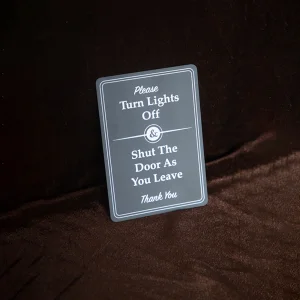
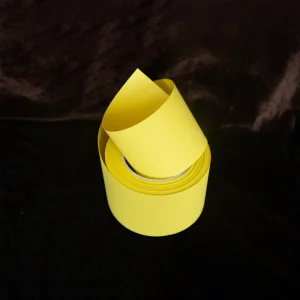
High-Quality Secure, Durable and High-Tack Wire Adhesive Labels Factories, Company
View Technical Specs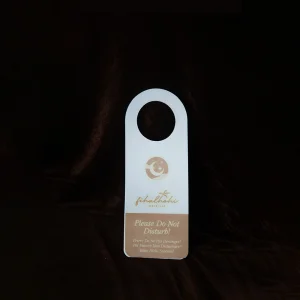
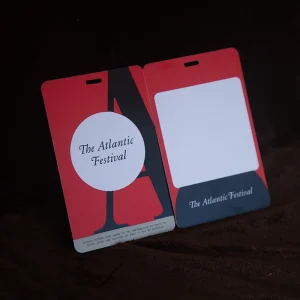
Custom Paperboard Cards with Custom Printed for Events, Gift Cards Factory, Products
View Technical Specs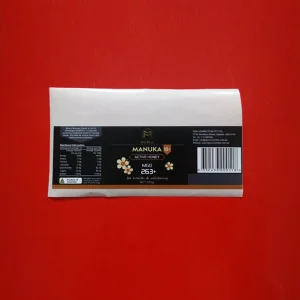
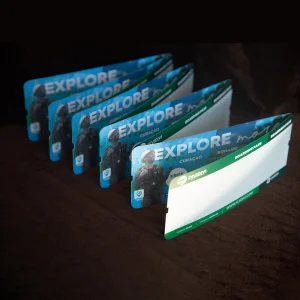
High-Quality Instant-Print Thermal Paper Tickets for Customizable Event or Service Factories, Product
View Technical Specs