
Engineered Backing Paper & Label Substrates for Paris Enterprises
Precision-coated release liners and high-performance adhesive substrates engineered to meet stringent European conversion standards and automated high-speed dispensing requirements.
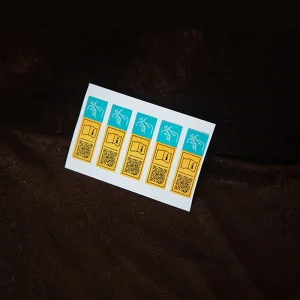
Custom Adhesive Labels with Heavy-Duty Thick Backing Paper (Paris Industrial Grade)
Explore Technical Specs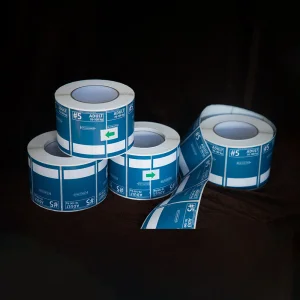
Anti-Curl & Moisture-Resistant Sealed Backing Paper Labels for Paris Luxury Packaging
Explore Technical Specs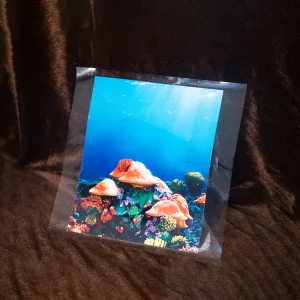
High-Translucency Glassine Backing Paper Labels for Automated Optical Die-Cutting
Explore Technical Specs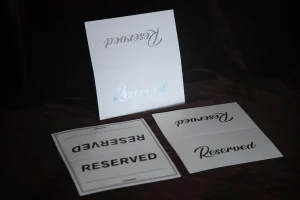
Custom Printed Name Tent Cards for Paris Conferences, Banquets & Luxury Hospitality
Explore Technical SpecsThe Strategic Importance of Backing Paper Materials in Paris & Île-de-France
Paris is not merely a global fashion capital; it is the operational nerve center of Europe's most demanding luxury cosmetics, fine wine & spirits, pharmaceutical, and high-tech manufacturing sectors.
Within the Greater Paris region—spanning the Cosmetic Valley cluster extending toward Chartres, as well as the major logistics nodes around Roissy-Charles de Gaulle and Orly—the demand for specialized backing paper (release liners) has surged exponentially. Premium consumer brands require flawless pressure-sensitive adhesive (PSA) roll stock that withstands high-speed automatic application without web breakages or caliper inconsistency.
Local French label converters and packaging brand owners face strict operational criteria. From ultra-smooth siliconized Glassine paper tailored for high-speed optical sensor detection to heavy-duty Clay Coated Kraft (CCK) liners designed to resist lay-flat dimensional warping in humid cellar environments, backing paper materials form the invisible backbone of Paris's multi-billion-euro packaging supply chain.
Paris Industry Sector Demand Profile
- Cosmetic & Personal Care (Cosmetic Valley): Ultra-clear transparent PET & 60gsm super-calendered glassine liners for zero-look labels.
- Luxury Goods & Perfumery: Moisture-sealed anti-curl release papers ensuring pristine embossed texture on outer boxes.
- Pharmaceuticals & Healthcare (Sanofi Supply Hubs): Low-extractable silicone-coated papers adhering to strict ISO 15378 cleanroom standards.
- Logistics & E-Commerce Hubs (Île-de-France): High-tensile SCK and thermal paper release liners engineered for matrix stripping at 800+ labels/min.
Deconstructing Backing Paper Architecture: Siliconization, Release Dynamics & Tensile Physics
To select the optimal release liner for Paris manufacturing operations, engineering teams must evaluate substrate density, silicone cross-linking chemistry, and release force retention curves.
1. Glassine vs. CCK vs. SCK Substrates
Super-Calendered Glassine (54–90 gsm): Dense, translucent wood-pulp paper squeezed under extreme pressure and moisture. Features smooth surface topography, exceptional translucency for optical sensor indexing, and high burst strength under rotary punch pressure.
Clay-Coated Kraft (CCK): Coated with a micro-porous kaolin clay layer to prevent silicone penetration. Delivers flat lay-flat performance under fluctuating humidity, making it the benchmark for sheeted labels and large format decals in Paris outdoor advertising.
2. Silicone Coating Systems
Thermal Solventless Platinum Silicone: Cured at high temperatures using platinum catalysts. Provides tight release force control (e.g., 10–15 cN/25mm), ultra-low silicone migration, and long-term release stability over 24+ months of shelf storage.
UV Cured Free-Radical Silicone: Ideal for heat-sensitive filmic backing papers (such as PE or thin PET liners). Prevents paper shrinkage while maintaining low release force values suitable for delicate pressure-sensitive adhesives.
3. Release Force & Matrix Stripping
Release force is measured via FTM 3 or FTM 4 standard peel tests at 180° speed (300 mm/min or high-speed 10 m/min). A balanced release curve prevents "label fly-off" on automated packaging lines while ensuring matrix web peeling without label tearing.
Our specialized anti-curl sealed backing papers incorporate barrier moisture-proofing treatments, rendering them completely impervious to European atmospheric changes during maritime export and seasonal shifts in France.
| Backing Paper Substrate Type | Grammage (gsm) | Caliper Tolerance | Tensile Strength (MD/CD) | Primary Industrial Application in Paris |
|---|---|---|---|---|
| Honey / White Glassine | 54 - 90 gsm | ± 2.0 % | High (> 70 N/15mm) | Automated Cosmetic Labeling, Pharmaceutical Vials, Beverage Bottling |
| Clay-Coated Kraft (CCK) | 80 - 135 gsm | ± 3.0 % | Medium (> 55 N/15mm) | Sheeted Labels, Graphic Decals, Luxury Box Wrap Seals |
| Super-Calendered Kraft (SCK) | 60 - 95 gsm | ± 2.5 % | High (> 65 N/15mm) | Industrial Logistics, E-Commerce Shipping Barcode Liners |
| PE-Coated Kraft (Polypropylene Poly-Kraft) | 90 - 140 gsm | ± 1.5 % | Ultra High (> 90 N/15mm) | Heavy-Duty Outdoor Signage, Tire Labels, Automotive Component Tags |
| Siliconized PET Film (12-50 µm) | N/A (25-75 micron) | ± 1.0 % | Extreme (> 120 N/15mm) | No-Look Clear Cosmetics, High-Speed Rotary Die-Cutting (1000+ fpm) |
Bridging European Quality Standards with Advanced Chinese Manufacturing Scale
Why French brand managers and Paris converters are establishing direct OEM/ODM partnerships with leading Chinese backing paper manufacturers like Xiamen Lianhua Printing Co., Ltd. (Est. 1992).
The Local Sourcing Challenge in Paris
- Escalating Regional Overhead: Energy price spikes and high labor costs across Western European paper mills have elevated the unit cost of locally converted release liners by 25–40%.
- MOQ & Lead Time Bottlenecks: Local European paper coaters often require prohibitive Minimum Order Quantities (MOQs) for specialized release force customizations, with lead times stretching beyond 10–12 weeks.
- Rigid Material Catalogues: Difficulty in obtaining tailored hybrid liners (e.g., specific silicone differential release coatings or custom anti-curl seal layers) for niche packaging formats.
The Xiamen Lianhua Advantage (Est. 1992)
- 30+ Years of Converting Mastery: Fully integrated coating, slitting, printing, and die-cutting facilities operating under ISO 9001 quality management systems.
- Strict E.U. Regulatory Compliance: 100% compliant with RoHS, REACH, and FSC certifications. Green purchasing protocols guarantee zero toxic fluorocarbon (PFAS) residues in silicone releases.
- Substantial Cost Efficiency: Save 30% to 45% on land cost while receiving laboratory-tested release stability, precise caliper control, and custom jumbo roll or slit roll configurations.
Direct Export & Custom OEM/ODM Capabilities
Whether you require micro-slit roll narrow web liners for inline flexographic presses in Paris or sheeted moisture-resistant backing paper for offset box laminations, Xiamen Lianhua provides turnkey engineered samples delivered to France within 5–7 business days.
Innovations Reshaping the European Release Liner Industry
From circular economy sustainability directives enforced by the European Union to ultra-fast automation in French logistics infrastructure, backing paper technology is rapidly evolving.
rPET & Recyclable Liner Circularity
With France’s anti-waste law for a circular economy (AGEC Law), brand owners in Paris are transitioning to glassine backing papers made from up to 30% post-consumer recycled (PCR) fibers and down-gauged 12-micron siliconized rPET liners that significantly lower carbon footprint impact.
Solvent-Free & Bio-Based Silicone Coating
Next-generation thermal platinum silicone formulations utilize bio-based polymer additives to replace petroleum synthetic crosslinkers. These coatings provide ultra-stable release dynamics while ensuring full repulpability during industrial paper recycling streams in France.
Linerless Label Engineering Trends
While linerless labels are gaining traction in variable information printing (VIP) for Paris logistics, traditional siliconized backing paper remains essential for complex die-cut prime labels, multi-layer promotional booklets, and tactile sensory packaging formats across Europe.
How Paris Buyers Validate Offshore Backing Paper Manufacturers
Procurement teams requiring consistent zero-defect performance use rigorous testing protocols before approving high-volume container shipments from China.
Core Quality Control Metrics
- Differential Release Force Test (FTM 3 / FTM 4): Verifies that the release force remains strictly within target tolerances (e.g., 12g ± 2g per 25mm width) at various aging temperatures (23°C to 70°C).
- Residual Tack Percentage Test (FINAT FTM 11): Ensures that silicone coating cure is 100% complete, preventing silicone transfer to the pressure-sensitive adhesive face stock, which would degrade label adhesion.
- Pinhole & Silicone Uniformity (Dye Stain Testing): Methylene blue solvent immersion tests confirm that paper surfaces contain zero silicone voids or pinhole micro-cavities.
- Dimensional Humidity Stability: Environmental chamber cycling (30% to 85% RH) ensures zero curling or edge waviness when rolls are unreeled in French converting plants.
Comprehensive OEM Sourcing Checklist
- Material Certificate of Analysis (CoA): Every shipment accompanied by lot-tracked caliper, tensile, and release force test reports.
- Full Regulatory Dossier: RoHS, REACH (SVHC declaration), FDA food contact compliance, and FSC chain-of-custody documentation.
- Precision Core & Packaging Specs: Heavy-duty 3-inch or 6-inch reinforced fiber cores wrapped in vapor-barrier foil to protect rolls during ocean freight to Le Havre / Marseilles ports.
- Rapid Prototyping & Trial Rolls: Availability of 100m to 500m trial slit rolls for immediate testing on high-speed Gallus, Mark Andy, or Nilpeter presses in France.
Comprehensive Converting & Packaging Solutions for French Markets
Explore our full line of specialized adhesive label products, backing paper materials, ABS signage boards, beverage accessories, and printed collateral produced in our ISO-certified facilities.
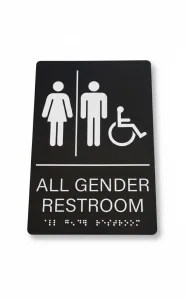
Custom Tactile Braille Signage on Premium ABS Board for Paris Public Infrastructure
Explore Product Specifications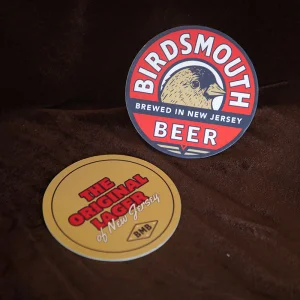
Durable Beverage Coasters with Custom Branding Options for Paris Hospitality & Cafes
Explore Product Specifications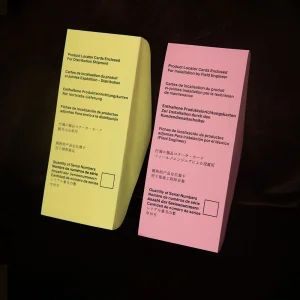
Custom Premium Corporate Envelopes for Paris Fashion Houses & Enterprises
Explore Product Specifications
Moisture-Sealed Anti-Curl Release Liner Adhesive Labels for Cold Chain & Food
Explore Product Specifications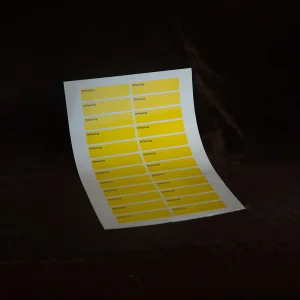
Custom Heat-Resistant Polyimide (PI) Labels for Automotive & Electronics in Île-de-France
Explore Product Specifications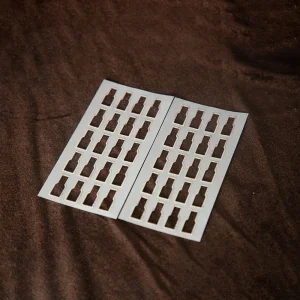
Durable Synthetic Paper Adhesive Labels with Siliconized Release Liner
Explore Product Specifications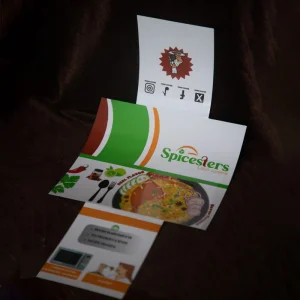
Custom-Printed Sleeves for Paris Food Container & Gourmet Delicatessen Packaging
Explore Product Specifications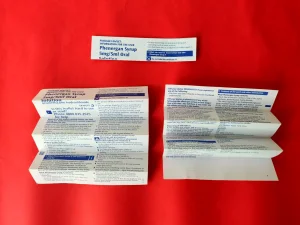
Custom Single-Sheet Technical Instruction Manuals for European Consumer Goods
Explore Product SpecificationsFrequently Asked Questions for Paris Buyers & Engineers
Expert technical insights regarding backing paper specification, customs logistics to France, and custom OEM converting capabilities.
Glassine backing paper is a high-density, super-calendered paper featuring high translucency (typically 45–65% transparency). This transparency allows optical gap sensors on automatic high-speed labeling machines in France to register label intervals precisely. Clay-Coated Kraft (CCK) features a kaolin clay surface coating that offers outstanding lay-flat stiffness and dimensional stability under varying humidity. CCK is typically chosen for sheeted labels, large decals, and manual application packaging in Paris, where translucency is not required.
Xiamen Lianhua Printing Co., Ltd. operates under a strict Green Purchasing Policy. All raw paper pulps, silicone polymers, crosslinkers, and pressure-sensitive adhesives undergo third-party laboratory testing (SGS / TÜV) to verify compliance with REACH Substances of Very High Concern (SVHC) list and RoHS directives. Our products contain zero heavy metals, phthalates, or prohibited fluorinated compounds (PFAS), ensuring seamless entry through French customs at Le Havre port or Roissy CDG airport.
Yes. We specialize in precision double-sided thermal silicone coating. We can engineer differential release ratios (e.g., 10g/25mm on Side A and 35g/25mm on Side B) tailored specifically for multi-layer promotional labels, double-sided tapes, and specialty industrial mounting applications used by European label converters.
Production lead time for standard slit rolls or custom sheeted backing paper is 7–12 business days following sample approval. For ocean shipping to major French ports (Le Havre or Marseilles), transit time is approximately 28–32 days. For urgent sample trials or high-value cosmetic label roll deliveries, express air freight delivers directly to your facility in Île-de-France within 4 to 6 business days.
Curling occurs when cellulosic fibers in backing paper absorb atmospheric moisture at different rates than the face stock. Our anti-curl backing paper incorporates a micro-thin polyethylene (PE) sealed moisture-barrier layer on the reverse side. This seals the paper fibers, ensuring that the liner remains 100% dimensionally flat even during extreme marine humidity fluctuations or temperature swings in wine cellars across France.
To provide an exact factory-direct quote and material recommendation, please specify: 1) Preferred substrate (Glassine, CCK, SCK, or PET film), 2) Paper basis weight (gsm) or thickness (microns), 3) Required release force range (e.g., light, medium, or tight release), 4) Roll width, inner core size (3" or 6"), and total order volume, and 5) Application environment (e.g., high-speed automatic dispensing, freezer storage, or outdoor exposure).