
High-Precision ABS Components & Technical Documentation
Engineered for Seattle aerospace, marine hardware, and high-tech equipment manufacturing applications.
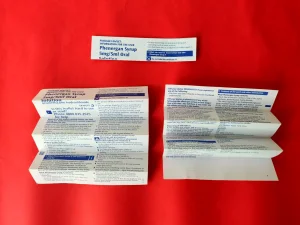
Custom Single-Sheet Technical Operating Manual (Seattle OEMs)
View Specifications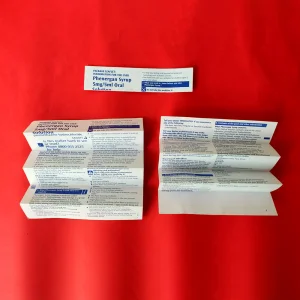
Multi-Panel Folded Equipment Manuals (PNW Factories)
View Specifications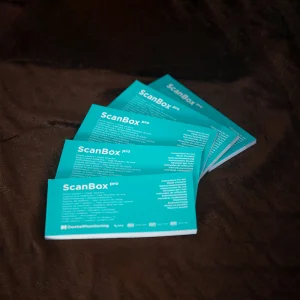
Detailed Booklet Instruction Manuals for Machinery & Equipment
View Specifications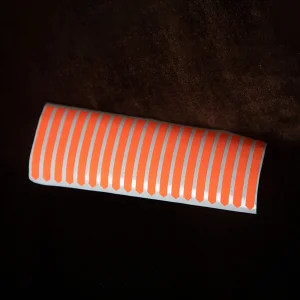
High-Strength Double-Coated Industrial Adhesive Labels
View SpecificationsThe Greater Seattle Industrial Ecosystem & ABS Supply Dynamics
Navigating high regional operational costs, tight manufacturing schedules, and direct China OEM conversion capabilities.
The Greater Seattle area—encompassing primary industrial hubs in Kent Valley, Everett, Bellevue, Redmond, and Tacoma—stands as one of North America's most technologically advanced manufacturing corridors. Home to global aerospace titans, maritime vessel builders, clean-tech pioneers, and cloud computing hardware developers, the Pacific Northwest requires rigorous technical standards for every physical component entering its supply chain. Among these essential materials, Acrylonitrile Butadiene Styrene (ABS) sheets, dual-color laser engraving boards, technical rating plates, and heavy-duty product documentation serve as critical touchpoints for hardware assembly, ANSI safety compliance, and corporate branding.
However, enterprises seeking to buy ABS factory assets or source direct custom ABS production in Seattle face significant regional economic friction. High commercial real estate rates, elevated labor expenditures, and strict municipal zonation limit the footprint of heavy extrusion, injection molding, and large-format converting facilities within Washington State. As a consequence, procurement directors and supply chain engineers increasingly adopt a hybrid strategic framework: leveraging local engineering design in Seattle while partnering directly with high-capacity, ISO 9001-certified manufacturing hubs in China, such as Xiamen Lianhua Printing Co., Ltd. (Est. 1992).
Key Insight for Seattle Procurement Officers: By sourcing raw engineered ABS dual-color sheets, custom tactile braille signage, high-tack industrial labels, and multi-language instruction manuals direct from specialized Chinese manufacturing hubs, Seattle enterprises achieve 40% to 65% unit-cost reductions while maintaining strict adherence to RoHS 3.0, REACH SVHC, and UL94 flame-retardant standards.
Local Industry Demand Clusters in Washington State
- Aerospace & Avionics (Everett & Renton Corridor): Demands fire-retardant (UL94 V-0), light-weight ABS panel inserts, anti-glare control fascia plates, and tear-proof PET insulation film components capable of enduring extreme thermal fluctuations (-40°C to +105°C).
- Maritime & Marine Hardware (Puget Sound & Ballard Fleet): Requires outdoor-grade, UV-stabilized ABS dual-color boards resistant to salt fog exposure, hydrophobic adhesives, and high-tack rubberized tire/hull labeling.
- Clean Tech & Power Equipment (Redmond & Kirkland): Calls for precision die-cut micro-labels, translucent backing paper stickers, and multi-panel folded technical manuals for rapid consumer setup.
- Cold Chain Logistics & Distribution (Kent Valley): Demands low-temperature freezer adhesive labels engineered to bond instantly on frost-covered sub-zero packaging substrates down to -35°C.
Engineering Standards: ABS Substrates & Polymer Converting
Advanced physical parameters required for demanding industrial applications.
Dual-Color Co-Extrusion
Micro-thin top cap layer (0.05mm) over contrasting core base layer. Designed for high-speed CNC routing and CO2/fiber laser vector engraving with zero edge melting.
Dielectric & Thermal Shielding
High impact strength combined with tear-proof PET electrical insulation film properties. Ideal for circuit insulation and high-voltage transformer control housings.
Weatherability & UV Ratings
Formulated with Acrylic Capping (ASA-ABS blend) to prevent yellowing, chalking, and micro-cracking under intense outdoor ultraviolet exposure up to 10 years.
Seattle Domestic Sourcing vs. China Direct OEM Manufacturing
A comprehensive financial, technical, and operational comparison for enterprise buyers.
When evaluating whether to acquire physical ABS manufacturing assets within the Pacific Northwest or establish direct OEM manufacturing channels with established Chinese facilities like Lianhua Printing, enterprise leaders must weigh total cost of ownership (TCO), capital expenditure (CAPEX), and tooling flexibility.
| Evaluation Vector | Seattle Local Production / Factory Purchase | Xiamen Lianhua Direct China OEM |
|---|---|---|
| Initial Capital Outlay (CAPEX) | High ($2.5M - $8M for land, cleanrooms & equipment) | Zero CAPEX (Immediate access to mature production lines) |
| Unit Production Cost | Premium (Driven by local labor, electricity & overhead) | Economies of Scale (40%-65% cost advantage) |
| Custom Tooling & Die-Cutting | Long lead times (3-6 weeks for specialized tooling) | Rapid Prototyping (3-5 days CNC & Laser setup) |
| Regulatory Compliance | Complex local environmental permitting (DOE/EPA) | Pre-certified Materials (RoHS 3.0, REACH, UL-recognized) |
| Documentation & Manual Printing | High per-page print shop commercial rates | Integrated Inline Converting (Automated multi-folding) |
| Logistics to PNW Hubs | Local trucking (Short distance, high rate per mile) | Direct Ocean Freight (Port of Seattle / Tacoma DDP shipping) |
Why Xiamen Lianhua Printing Outperforms Domestic Machine Shops
Operating out of Xiamen, China's premier coastal printing and converting industrial zone, Xiamen Lianhua Printing Co., Ltd. has refined adhesive label converting, ABS dual-color plate production, and technical manual printing since February 1992. By operating multi-layer co-extrusion presses, fully automated rotary die-cutters, and Heidelberg multi-color offset presses under one roof, Lianhua eliminates intermediary markups.
Instruction Manual Engineering for Seattle Technology OEMs
Precision printing, multi-language folding, and environmental durability.
For high-value equipment manufactured in or imported into Seattle, user manuals are not merely static print items—they are legally binding compliance documents governed by OSHA, ANSI Z535, and EU CE directives. Whether supplying quick-start single-sheets for consumer electronics or 200-page saddle-stitched manuals for commercial marine engines, precision execution prevents end-user misapplication and warranty claims.
Single-Sheet Insert Specs
Utilizes 80gsm to 158gsm wood-free art paper with anti-glare matte coating. Ideal for compact box inserts, warranty cards, and fast setup schematics.
Multi-Panel Miniature Folding
Engineered for tight product enclosures. Automated z-fold, gate-fold, and accordion folding down to compact 20mm x 30mm dimensions without paper cracking.
Booklet-Style Equipment Manuals
Heavyweight covers (250gsm+) paired with saddle-stitching or PUR perfect binding. Resistant to grease, oil, and moisture in industrial field operations.
2026-2030 Global Industrial Sourcing Trends
Anticipating regulatory changes, eco-friendly materials, and smart labeling technologies.
1. Shift Towards Zero-VOC and Recyclable Substrates
Global enterprises purchasing ABS materials and synthetic labels are accelerating the phase-out of traditional halogenated flame retardants and solvent-based adhesives. Regulatory bodies in Europe and North America now demand green purchasing compliance. Lianhua Printing leads this transformation by incorporating bio-based adhesive formulas, eco-friendly PET card stocks, and recyclable backing liners into standard production runs.
2. Tactile ADA Braille & Accessible Industrial Wayfinding
Industrial commercial buildings, public transit centers, and corporate facilities in Seattle must meet rigorous Americans with Disabilities Act (ADA) accessibility guidelines. Direct-engraved ABS dual-color boards featuring tactile raised characters and raster sphere braille beads provide permanent compliance without peeling or fading.
3. Adhesive Rheology and Surface Tension Matching
Modern equipment housings frequently utilize low surface energy (LSE) plastics such as polypropylene (PP), polyethylene (PE), or powder-coated cast aluminum. Applying standard acrylic stickers leads to adhesive failure and edge flagging. Engineering teams must conduct Dyne level surface tension testing to match modified high-tack rubber or hybrid acrylic adhesives to the exact target surface.
Explore Our Complete Range of Substrates & Printing Products
Direct factory supply with OEM/ODM customization for global buyers.
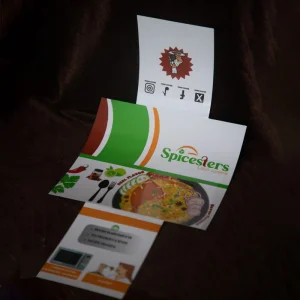
Custom-Printed Packaging Sleeves for Food & Retail Containers
View Specifications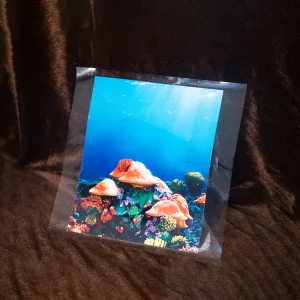
Adhesive Labels with High-Translucency Backing Paper
View Specifications
Precision Multi-Panel Folded Product Instruction Manuals
View Specifications
Outdoor Grade ABS Dual-Color Engraving Board Plates
View Specifications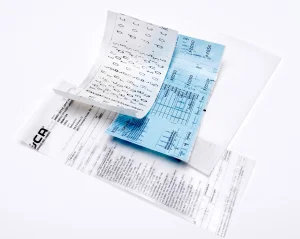
Tear-Proof PET Electrical Insulation Paper (Polyester Film)
View Specifications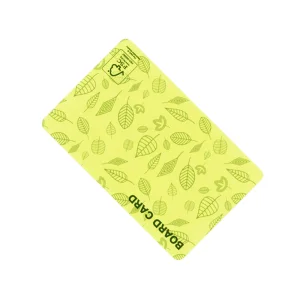
Luxury Premium Paperboard Cards for Corporate Branding
View Specifications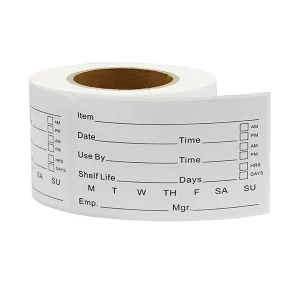
Low Temperature Resistant Freezer Storage Adhesive Labels
View Specifications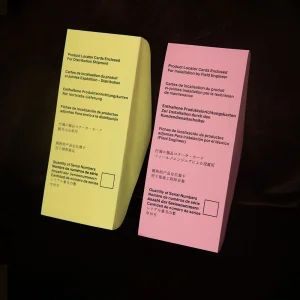
Custom Premium Envelopes for Business & Executive Mail
View SpecificationsEnterprise Sourcing & Engineering FAQ
Direct answers regarding lead times, logistics to Seattle ports, material testing, and technical specifications.
Why should Seattle buyers source directly from Xiamen Lianhua Printing rather than buying local factory assets?
What are the shipping lead times and port logistics from China to Seattle, WA?
How do outdoor-grade ABS dual-color boards withstand Pacific Northwest weather conditions?
Can Lianhua Printing produce low-temperature labels for cold chain storage in Kent Valley?
What technical artwork formats and proofing processes do you require for custom manuals and ABS engraving?
Are your materials fully compliant with US and international safety regulations?
Ready to Optimize Your Industrial Substrate Supply Chain?
Get instant factory-direct engineering support, customized material samples, and competitive OEM quotations for your Seattle enterprise.