
Tokyo Priority Sheet Label Materials Stock
High-precision sheet-fed substrate configurations optimized for Japanese high-speed desktop offset, UV digital, and precision laser die-cutting applications.
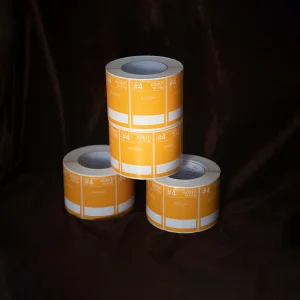
Affordable & Printer-Friendly Paper-Based Sheet Labels
Explore Specification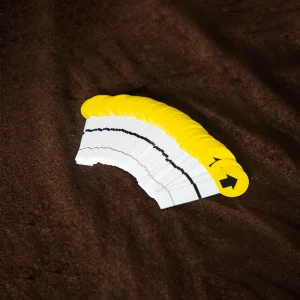
High-Quality Durable Versatile PET Adhesive Sheet Stock
Explore Specification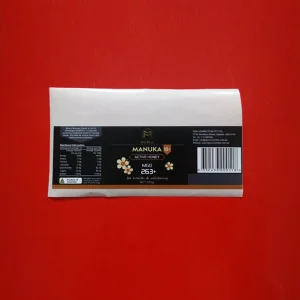
Flexible PE-Based Conformable Adhesive Sheet Labels
Explore Specification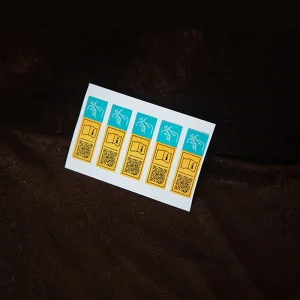
Custom Weatherproof & Reliable PVC Adhesive Sheet Film
Explore SpecificationThe Tokyo Industrial Landscape & Sheet Label Material Dynamics
The Greater Tokyo Area—encompassing Tokyo Metropolis, Kanagawa, Saitama, and Chiba—represents the world's most sophisticated concentrated urban economy. With an overwhelming density of high-tech manufacturing, medical/pharmaceutical R&D, advanced electronics assembly (Ota Ward, Akihabara), luxury consumer goods packaging (Ginza, Omotesando), and cold-chain logistics hubs (Tokyo Bay Port and Haneda/Narita corridors), the structural demand for specialized sheet-fed adhesive label materials is experiencing an unprecedented technical evolution.
Unlike roll-fed labels traditionally dedicated to ultra-high-volume automated inline packaging lines, label materials on sheets (available in A4, A3, SRA3, and bespoke cut-sheet dimensions) serve a critical role in Tokyo's decentralized, high-mix low-volume (HMLV) production environments. Commercial quick-printers, high-tech manufacturing workshops, corporate logistics hubs, and boutique luxury packagers require flat-sheet stocks that maintain absolute lay-flat stability, zero edge-bleed during high-temperature digital/laser printing, and exceptional die-cut precision.
Information Gain Insight: Japanese print converters in Tokyo operate under strict Monozukuri (craftsmanship) quality metrics. A variance of even 0.2mm in sheet margin squareness or micro-curling caused by ambient relative humidity changes can trigger sensor jams in high-speed Canon, Konica Minolta, or Fuji Xerox digital sheet-fed presses. Chinese substrate laminators that integrate moisture-barrier PE backing layers with stress-relieved face stocks are setting new benchmarks for reliability in Tokyo's demanding print houses.
Furthermore, local environmental policies enacted by the Tokyo Metropolitan Government (TMG), such as the Tokyo Cap-and-Trade Program and stringent municipal waste recycling protocols, have forced procurement teams to move away from legacy solvent-based adhesives and non-recyclable heavy laminates. The demand has shifted sharply toward water-based emulsion acrylics, repulpable paper facestocks, halogen-free synthetic films (PE/PET), and ultrathin release liners that reduce total solid waste volume.
Micro-Flat Lay Tech
Stress-relieved liners engineered specifically to eliminate wave distortion and sheet curling under intense toner-fusing heat up to 220°C.
Zero Edge-Bleed Adhesives
High-cohesion acrylic formulations prevent adhesive squeeze-out during guillotine trimming and high-speed feeder suction passes.
JIS & RoHS Compliance
Full compliance with Japanese Industrial Standards (JIS Z 0237), REACH, and RoHS directives for chemical safety in electronics.
The Competitive Synergy: China Manufacturing Engineering Meets Tokyo Standards
The strategic sourcing corridor between Chinese adhesive material manufacturers (primarily concentrated in Fujian, Guangdong, and Jiangsu coating clusters) and Tokyo buyers offers an unbeatable combination of scale, technical agility, and supply security. China’s modern multi-layer coating lines incorporate continuous beta-ray thickness gauge feedback, automated particle-free cleanroom environments, and dual-side precision corona treatment—enabling the output of sheet-fed label stock that satisfies Tokyo’s extreme performance standards at highly attractive price points.
The primary direct advantages Chinese factories offer to Tokyo procurement directors include:
- Economies of Scale in Substrate Synthesis: Direct bulk synthesis of PET, PE, Cast Coated Paper, Polyimide (PI), and Synthetic Paper (PP-based) stock allows raw material cost structures that cannot be matched by domestic Japanese suppliers.
- Bespoke Customization of Sheet Caliper & Release Forces: Chinese converting facilities can fine-tune release liners (from 45gsm glassine to 120gsm PE-coated Kraft paper) with differential release forces tailored to specific offset or digital die-cutting machinery operating in Chiba or Kanagawa print houses.
- Rapid Freight Logistics to Tokyo Port: Express marine routes from major Chinese ports (Xiamen, Shanghai, Ningbo) reach Tokyo Port or Yokohama Port in as few as 3 to 5 days, enabling short lead-time replenishment cycles that mirror domestic supply chains.
| Material Category | Face Stock Caliper | Adhesive Type | Heat Resistance | Tokyo Application Suitability |
|---|---|---|---|---|
| Paper-Based Sheet Stock | 70 - 90 gsm Coated/Cast | Emulsion Acrylic | -10°C to +80°C | Standard retail, barcoding, logistics, corporate mailing in Tokyo CBD |
| PET (Polyester) Film Sheets | 25 - 100 microns | Solvent Acrylic / High-Tack | -40°C to +150°C | Electronics rating plates, asset management, Ota-ku industrial machinery |
| PE (Polyethylene) Sheets | 80 - 100 microns | Permanent Rubber / Acrylic | -20°C to +70°C | Squeezable cosmetics containers, chemical drums, Tokyo Bay logistics |
| Polyimide (PI) Thermal Sheets | 25 - 50 microns | Silicone High-Temp | -50°C to +300°C | PCB solder reflow tracking, micro-electronics manufacturing in Kanto |
| Synthetic Paper (PP) Sheets | 54 - 120 microns | All-Weather Acrylic | -30°C to +90°C | Outdoor signage, frozen food packaging, pharmaceutical cold chain |
Localized Application Scenarios Across Greater Tokyo
How specialized sheet label stocks solve distinct engineering and commercial challenges across Tokyo’s primary commercial zones.
Akihabara & Ota Ward: High-Tech Electronics
Precision PCB manufacturing requires Polyimide (PI) and PET sheet labels capable of enduring automated surface-mount technology (SMT) reflow ovens without discoloration, shrink distortion, or barcode degradation.
Ginza & Shinjuku: Premium Luxury & Retail
Bespoke cosmetic containers, boutique gift packaging, and high-end retail products demand ultra-clear PET "invisible label" sheets and foil-stamped paper facestocks with pristine tactile finishing.
Tokyo Bay Ports: Cold-Chain Logistics
Refrigerated and frozen food distribution hubs in Shinagawa and Yokohama rely on Synthetic Paper and PE sheet labels utilizing deep-freeze acrylic adhesives that bond instantly to frosted, condensation-heavy surfaces.
Proven Global Manufacturing Metrics
Rigorous quality benchmarks that empower international procurement teams sourcing for Japan.
Macro Trends Reshaping Tokyo's Sheet Label Procurement (2025–2030)
The label material landscape across Japan is undergoing structural changes driven by technology integration, labor scarcity, and intense sustainability goals. B2B buyers and supply chain executives sourcing sheet label materials for Tokyo must align with three macro trends:
1. The Transition to Plastic-Free and Monomaterial Packaging
As part of Japan's Resource Circulation Strategy for Plastics, brand owners in Tokyo are actively phasing out composite multi-material labels that hinder paper or plastic container recycling. The market is shifting heavily toward monomaterial configurations—such as Polypropylene (PP) facestocks matched with PP containers, or FSC-certified paper labels with water-soluble wash-off adhesives that detach cleanly during municipal recycling baths.
2. Integration of Digital Print-Ready Synthetic Stock
Short-run commercial printing in Tokyo is transitioning rapidly from offset presses to high-speed digital inkjet and toner engines. Synthetic sheet label stock must now feature special top-coatings (such as silica-modified or primer-coated surface layers) that accept both UV-curable inkjet inks and high-temperature dry toners without feathering, static accumulation, or ghosting.
3. RFID and Smart Label Overlay Compatibility
With Tokyo facing chronic logistics labor shortages, major convenience retail chains (7-Eleven, Lawson, FamilyMart) and urban distribution centers are expanding item-level RFID tagging. Flat-sheet converted substrates must now accommodate dry/wet RFID inlay insertion without creating localized thickness bulges that interrupt sheet stack feeding.
Extended Specialized Materials & Signage Range
Comprehensive adhesive films, double-coated tapes, electrical insulation sheets, and dual-color engraving boards serving Tokyo industry.
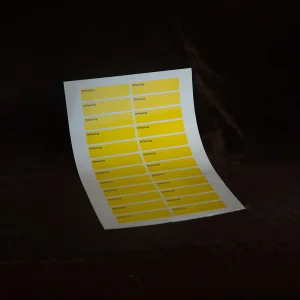
Heat-Resistant Polyimide (PI) Thermal Circuit Sheet Labels
Explore Specification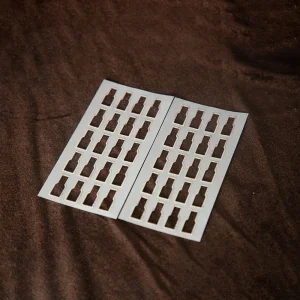
Durable Synthetic Paper All-Weather Adhesive Sheet Stock
Explore Specification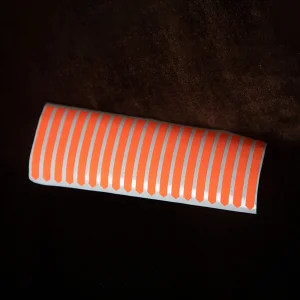
High-Strength Double-Coated Industrial Adhesive Mounting Sheets
Explore Specification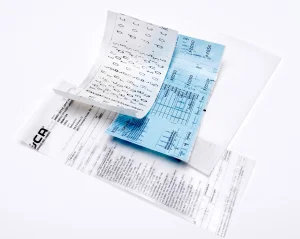
Tear-Proof PET Electrical Insulation Film & Polyester Sheets
Explore Specification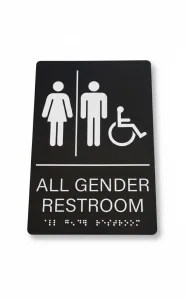
Custom Tactile Braille Accessibility Signage on ABS Board
Explore Specification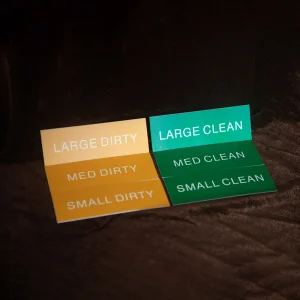
Precision Laser-Engravable ABS Dual-Color Sheet Board
Explore Specification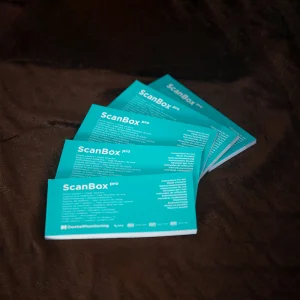
Detailed Booklet-Style Equipment Instruction Manuals
Explore Specification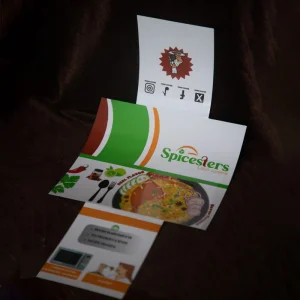
Custom-Printed Packaging Sleeves for Food Containers
Explore SpecificationFrequently Asked Questions for Tokyo Buyers
Expert responses regarding technical compliance, custom converting, shipping logistics, and quality assurance.
How do your sheet label materials handle high-temperature toner fusing in laser printers?
Are your products compliant with Japan's RoHS and REACH chemical regulations?
What are the lead times and shipping options from China to Tokyo Port?
Can you provide custom cut-sheet dimensions beyond standard A4/A3 sizes?
How do I determine whether an acrylic or rubber-based adhesive is right for my application?
Do you offer OEM/ODM custom branding and unbranded neutral packaging for Japanese distributors?
Accelerate Your Tokyo Supply Chain with Precision Sheet Substrates
Connect directly with our engineering and technical sales team to request free sample swatches, custom die-cut prototypes, or a comprehensive factory-direct wholesale quotation.
Send Inquiry Now