
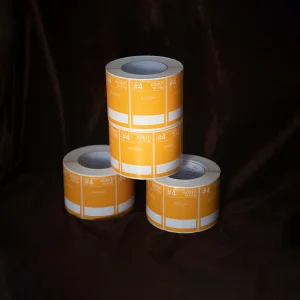
Precision Sheet Conversion
Featured Sheet Labelstock Solutions for Industrial Procurement
Engineered specifically for offset, thermal transfer, and high-speed laser sheet-fed systems in Germany.
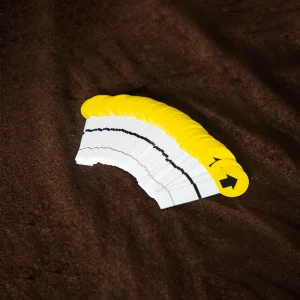
High-Durability PET Adhesive Sheet Materials for Machinery
View Product Specs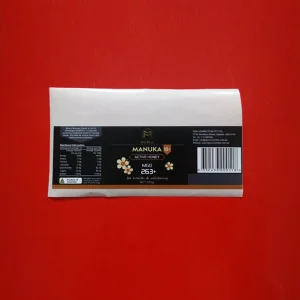
Flexible PE-Based Conformable Sheet Labels for Packaging
View Product Specs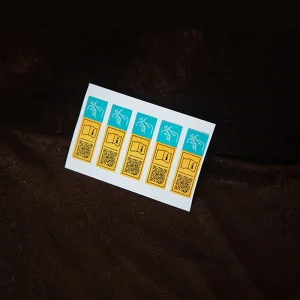
Custom Weatherproof PVC Sheet Labels for Outdoor Equipment
View Product SpecsExecutive Summary: Sourcing Sheet Label Materials for the German Market
Germany represents Europe’s most stringent market for pressure-sensitive sheet label materials. Driven by advanced manufacturing ecosystems (Mittelstand OEMs), automotive supply chains, chemical processing hubs, and the demanding European Green Deal regulations (including the German Packaging Act - VerpackG), the technical criteria for self-adhesive labelstock converted into sheet formats have evolved beyond basic printability.
Converters and OEM print shops in Germany require self-adhesive paper, PET, PE, and PVC sheets that exhibit zero edge-bleed during laser matrix cutting, absolute lay-flat stability under varying relative humidity (RH 45%–65%), high initial tack across low-energy plastics, and complete compliance with REACH (EC 1907/2006) and RoHS III (EU 2015/863) mandates.
±0.25mm
Sheet Cutting Precision
180°C
Laser Fuser Heat Tolerance
BS5609
Marine Chemical Certifiable
0% Bleed
Dry-Edge Adhesive Matrix
German Industrial & Commercial Sheet Label Landscape
Unlike roll labelstock primarily targeted at high-volume flexographic web presses, label materials on sheets (available in standard DIN A4, DIN A3, SRA3, and custom die-cut sheet sizes) fulfill critical decentralized manufacturing and specialized commercial needs across Germany:
- Automotive & Component Manufacturing: On-demand sheet-printed tracking labels for assembly jigs, engine bay component identity tags, and internal logistics routing sheets across Baden-Württemberg and Bavaria industrial clusters.
- Chemical Packaging (GHS / CLP Compliance): Heavy-duty synthetic sheet labels engineered for chemical drums, canisters, and intermediate bulk containers (IBCs) requiring compliance with British Standard BS5609 Section 2 and 3 marine immersion testing.
- Pharmaceutical & Cold-Chain Logistics: Cryogenic paper and filmic sheet labels designed to maintain adhesion down to -80°C for laboratory samples, bio-banks, and deep-freeze logistics networks operating across Frankfurt and Hamburg transport hubs.
- Commercial Print Houses (Druckereien): High-speed sheet-fed digital offset (e.g., HP Indigo, Heidelberg Primefire) and monochrome/color laser printing requiring thermal-stabilized liners that do not curl or jam.
Key Engineering Metric — Anti-Curling (Lay-Flat) Technology: Thermal shock inside high-speed laser printer fusers (reaching temperatures up to 180°C) often causes humidity loss in paper backings, leading to upward sheet curl. Our proprietary sheet labelstock utilizes a dual-side PE-laminated release liner (Kraft/Glassine base) that balances moisture absorption, ensuring flat stack feeding before, during, and after printing.
Technical Matrix: Facestock & Adhesive Engineering
Choosing the optimal label material on sheets requires aligning facestock chemistry, adhesive shear strength, and release liner weight with the intended German application environment:
| Facestock Substrate | Adhesive Chemistry | Temperature Range | Key Chemical Resistance | German Market Primary Application |
|---|---|---|---|---|
| Cast-Coated & Woodfree Paper | Emulsion Acrylic (Water-based) | -20°C to +80°C | Low (Solvent sensitive) | Logistics, Barcode Shipping, Retail Packaging (VerpackG Compliant) |
| Top-Coated PET (Polyester) Film | Solvent Acrylic / High-Tack | -40°C to +150°C | High (Oils, Brake Fluid, Mild Acids) | Automotive Rating Plates, Industrial Machinery, Electronics Identification |
| Corona-Treated PE (Polyethylene) | Permanent Modified Acrylic | -30°C to +90°C | Moderate (Water, Alcohol, Detergents) | Squeeze Bottles, Cosmetics, Curved Chemical Drums |
| Polyimide (PI) High-Heat Film | Cross-linked Silicone/Acrylic | -40°C to +300°C | Extreme (Flux Cleaners, Solvents) | PCB Circuit Board Solder Mask Masking & Traceability |
| Outdoor Polyvinyl Chloride (PVC) | Permanent High-Shear Solvent | -40°C to +90°C | High (UV Degradation, Outdoor Weathering) | Construction Site Signage, Asset Management Tags |
Localization Requirements: Compliance & Environmental Standards in Germany
Supplying label materials on sheets to German B2B entities demands absolute transparency regarding material compliance and sustainability attributes:
1. EU REACH & RoHS Technical Compliance
All face papers, synthetic films, silicone release coatings, and pressure-sensitive adhesives must be certified free of Substances of Very High Concern (SVHC) above 0.1% weight by weight (w/w). Compliance certificates (RoHS III 10 substances) are essential for electronics suppliers catering to German OEMs.
2. German Packaging Act (VerpackG) & Circular Economy Design
Under Germany’s dual system (Duales System Deutschland), packaging recyclability is enforced. We offer specialized wash-off acrylic adhesives for PET and glass containers that cleanly detach at 65°C in alkaline washing baths, permitting pure resin recycling without adhesive contamination.
3. Micro-Dry Edge Adhesive Bleed Prevention
Adhesive ooze during sheet guillotine die-cutting contaminates print head rollers and feeding trays. Our sheet manufacturing process incorporates a non-tack edge zone or micro-encapsulated adhesive boundary, preventing glue bleeding even under heavy stack pressure during export transportation from Asia to Europe.
Comprehensive Portfolio
Extended Technical Sheet & Specialty Label Materials
Explore specialized synthetic films, double-coated sheet tapes, and heavy-duty industrial label solutions.
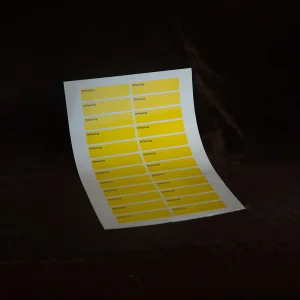
Heat-Resistant Polyimide (PI) Sheet Labels for Electronics
View Product Specs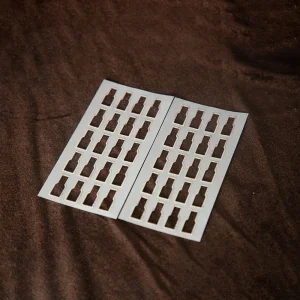
Durable Synthetic Paper Sheet Labels for Tough Environments
View Product Specs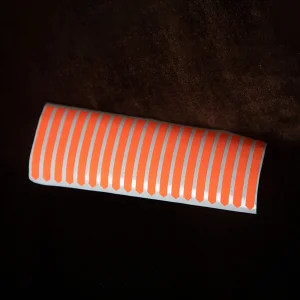
High-Strength Double-Coated Sheet Adhesive Tapes & Labels
View Product Specs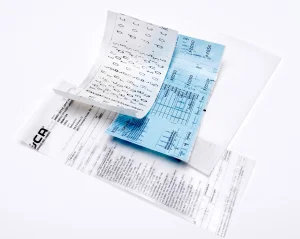
Tear-Proof PET Electrical Insulation Film Sheet Stock
View Product Specs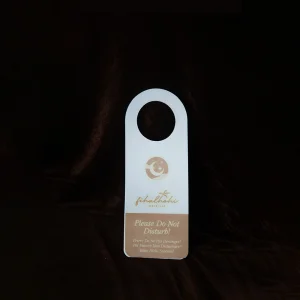
High-Durability Flexible PVC Sheet Cards for Industrial Use
View Product Specs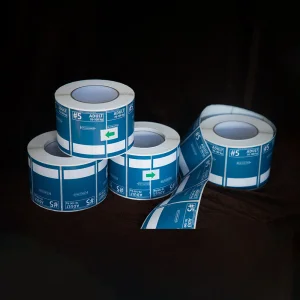
High-Tack Tire & Rubber Surface Adhesive Sheet Labels
View Product Specs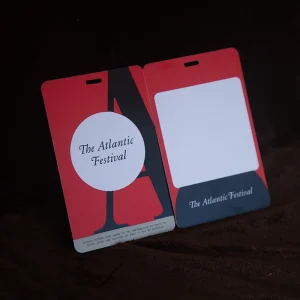
Custom Printed Paperboard Sheet Cards for Events & Corporate
View Product Specs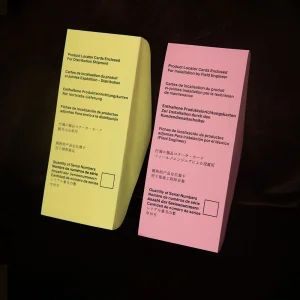
Premium Custom Industrial & Corporate Envelopes
View Product SpecsMacro Industry Solutions & Technology Roadmap (2025–2030)
How OEM Sheet Label Technology is Evolving for German Smart Factories.
Next-Gen Thermal Stablity
Integration of nanometer ceramic barrier coatings on backing papers to prevent moisture loss during high-temperature digital laser printing (up to 200°C short bursts), eliminating paper warp entirely for automated robotic suction feeders.
Bio-Based Adhesives
Transitioning from fossil-fuel derived acrylics to bio-based pressure-sensitive adhesives derived from pine rosin and renewable starches, meeting strict German DIN CERTCO / TÜV AUSTRIA compostability standards without sacrificing peel strength.
Smart RFID Inlay Integration
Direct embedding of ultra-thin UHF RFID and NFC chip inlays into sheet-converted PET and synthetic paper structures, enabling German logistics hubs to print visual barcodes and write digital track-and-trace RFID data simultaneously in single-pass printer runs.
Technical Sourcing FAQ
Frequently Asked Questions by German Importers & Print Shops
Clear technical insights regarding material selection, environmental compliance, minimum order quantities, and OEM factory capabilities.
How do your sheet label materials prevent curling during laser printing?
Sheet curl is caused by rapid moisture evaporation from paper backings under laser printer fuser heat (150°C–180°C). We utilize a balanced release liner structure featuring polyethylene (PE) barrier lamination on both sides of the Kraft base paper. This barrier seals in internal moisture, ensuring sheets emerge completely flat and stack cleanly in printer output trays.
Are your label materials compliant with REACH, RoHS, and EU Packaging Regulations?
Yes. All raw materials—including face papers, synthetic PET/PE films, pressure-sensitive adhesives, and release liners—are rigorously tested by independent laboratories (SGS/Intertek). We issue formal Certificates of Compliance (CoC) covering REACH SVHC (EC 1907/2006), RoHS III (EU 2015/863), and heavy metal limits for packaging waste (Directive 94/62/EC / German VerpackG).
What is the difference between acrylic water-based, solvent, and hot-melt adhesives for sheet labels?
Emulsion Acrylic (Water-based): Ideal for general paper sheet labels, eco-friendly, excellent UV resistance, suitable for indoor logistics.
Solvent Acrylic: High initial tack and superior resistance to moisture, extreme temperatures (-40°C to +150°C), and chemicals. Essential for automotive and outdoor PET/PVC labels.
Hot-Melt: High tack for low-energy surfaces (like unrefined plastics or tires), but lower temperature and solvent resistance.
Can you supply custom sheet dimensions (e.g., SRA3, B2) and pre-die-cut label layouts?
Absolutely. We offer high-precision rotary and flatbed sheet converting. We can deliver standard DIN A4, A3, and SRA3 sizes, as well as custom sheet dimensions up to 700mm x 1000mm. Sheets can be supplied full-size (uncut) or pre-die-cut with precision kiss-cuts, matrix-stripped edge borders, and back-slitted liners for easy peeling.
How do you ensure zero adhesive bleed during transport and die-cutting?
We employ high-shear, non-bleeding acrylic adhesive formulations engineered with precise viscosity controls. Additionally, our converted sheets feature a 1.5mm to 2mm dry edge (adhesive-free margin) around the outer perimeter of the sheet to guarantee that stack pressure during ocean freight shipping to Germany will not force adhesive out of the margins.
What are your factory lead times, packaging standards, and sample policies for German buyers?
We provide complimentary standard sample packs (including PET, PE, Paper, PI sheets) for technical printer testing in Germany. Custom die-cut production orders are completed within 7 to 12 business days. Sheets are shrink-wrapped in moisture-proof polybags with silica gel desiccants, packed into reinforced double-wall corrugated export master cartons, and palletized with corner protectors.
Direct Factory Connection
Request Free Technical Samples & Industrial Sheet Quotes
Connect directly with our engineering team in Xiamen. We provide tailored material recommendations, DIN standard compliance dossiers, and competitive OEM pricing for German distributors, print buyers, and industrial manufacturers.